

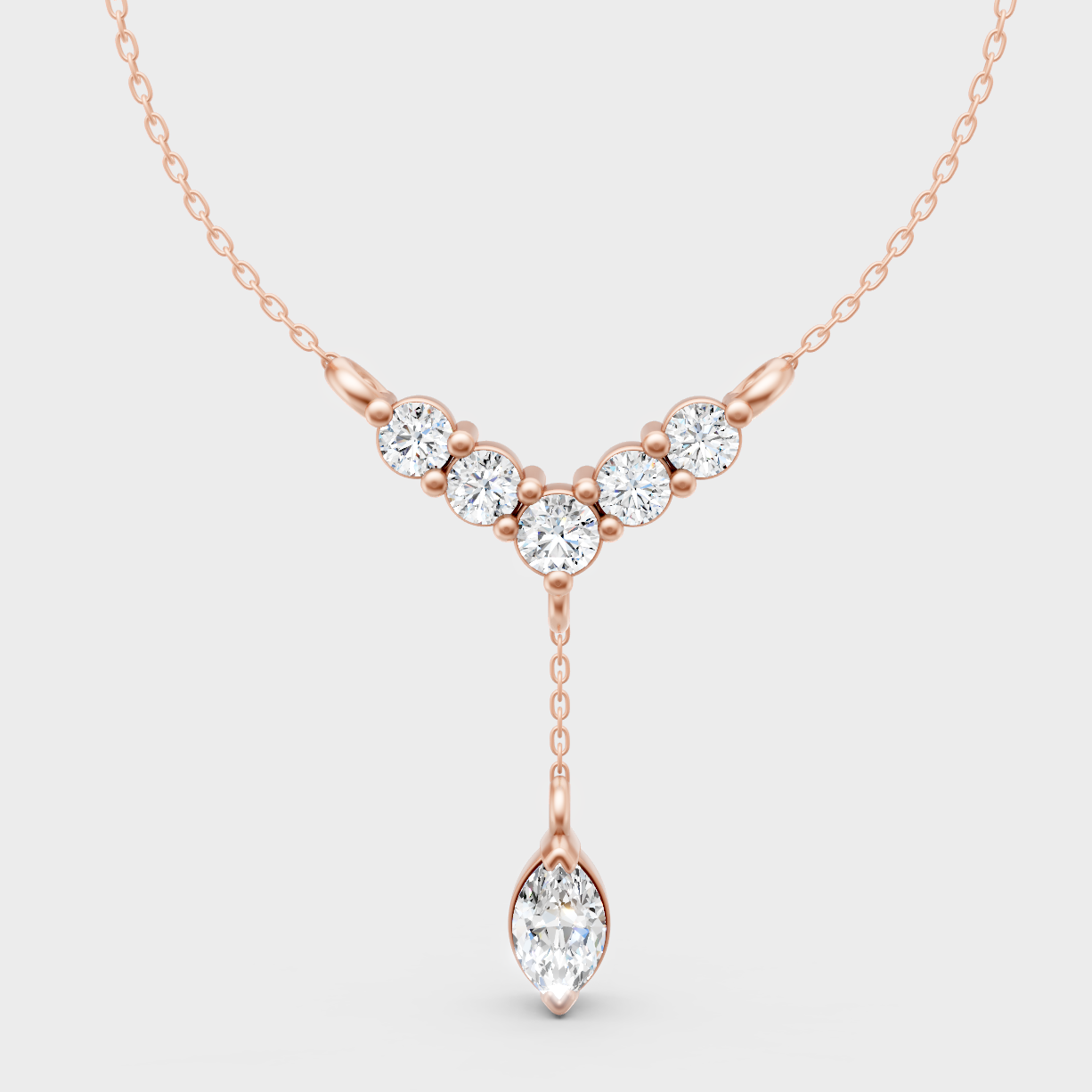
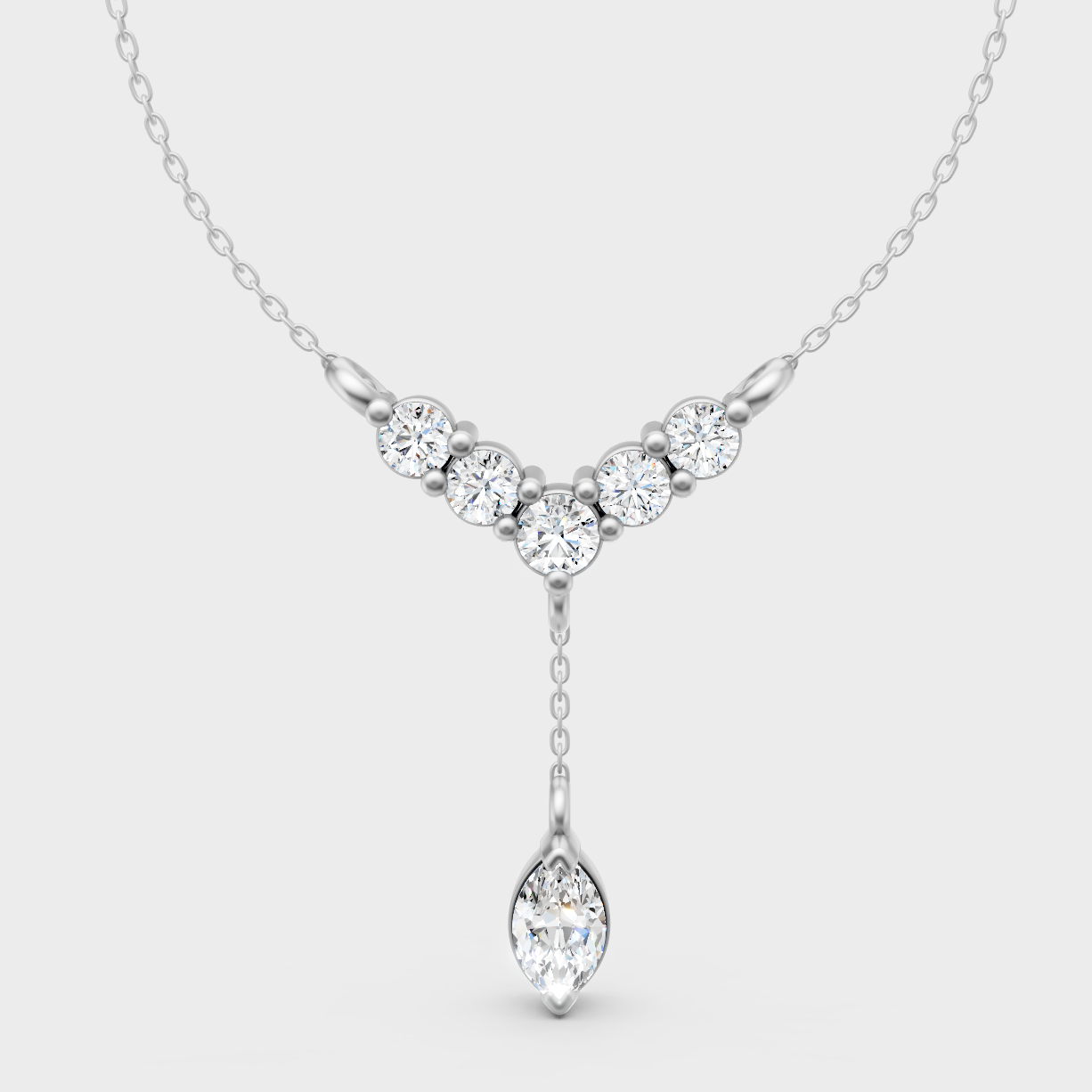


"Choose a good diamond" sounds like it should have a simple checklist, and in a sense it does — the 4Cs (Cut, Colour, Clarity, Carat) cover everything a certificate will grade. The nuance is in how they interact, and which ones are worth prioritising for your budget.
Cut: the one that matters most
Cut grade measures how well a diamond's facets are proportioned to reflect light back to the eye — it's the single biggest factor in how much a diamond actually sparkles. A diamond with excellent colour and clarity but a poor cut will look duller than a diamond with more average colour and clarity but an excellent cut. If you can only prioritise one of the 4Cs, prioritise cut.
Colour: near-colourless is the sweet spot
Diamond colour is graded on a scale from D (completely colourless) to Z (visibly yellow or brown). Here's the practical insight: most people cannot see the difference between a D and an H or I colour diamond with the naked eye, especially once it's set in gold (which itself has a warm tone that further masks slight colour). Paying a premium for D-F colour is rarely visible value unless the diamond is unusually large or you're examining it unset under strong light.
Clarity: eye-clean is the goal, not flawless
Clarity measures internal inclusions and surface blemishes, graded from Flawless down through Included. "Eye-clean" — meaning no inclusions visible without magnification — typically starts around VS2 or SI1 for most shapes, and buying flawless or internally flawless stones pays a steep premium for something invisible to anyone looking at the ring normally. The exception is step-cut shapes like emerald, where the large flat facets show inclusions more readily — for those shapes, aim slightly higher on clarity.
Carat: weight, not size
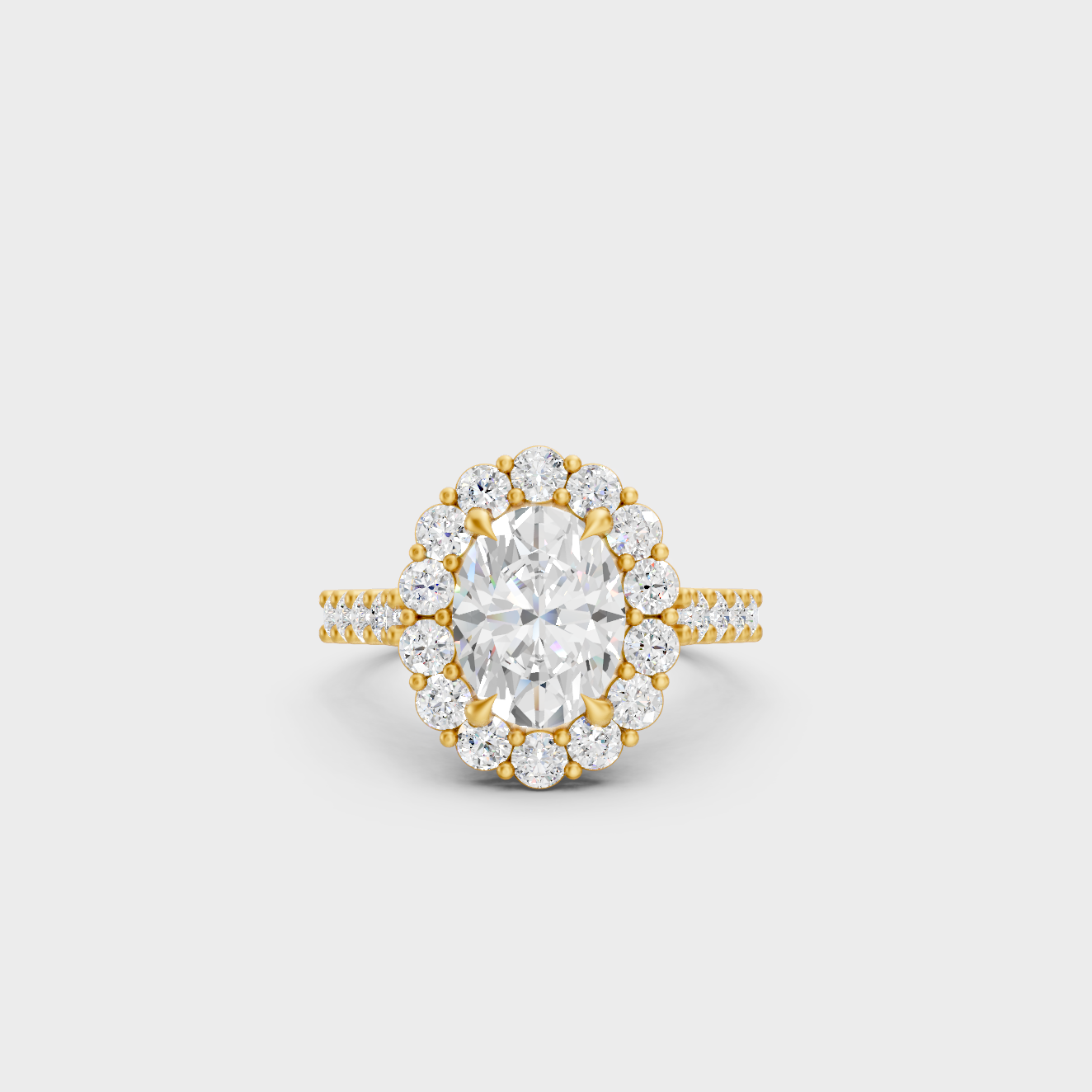
Carat is a unit of weight (0.2 grams), not a direct measure of visual size — which is why two 1-carat diamonds of different shapes and cuts can look noticeably different in size when set. Elongated shapes like oval, pear, and marquise tend to look larger per carat than round or princess cuts, because of their greater surface area.
Certification is non-negotiable
None of the above matters if you can't verify it. A good diamond always comes with independent certification from a recognised grading lab (IGI and GLI are standard for lab-grown diamonds), with a report number laser-inscribed on the girdle that you can look up yourself — for IGI stones, directly at report.igi.org. If a seller can't provide this, that's a bigger red flag than any single grade on the 4Cs.
A practical rule of thumb
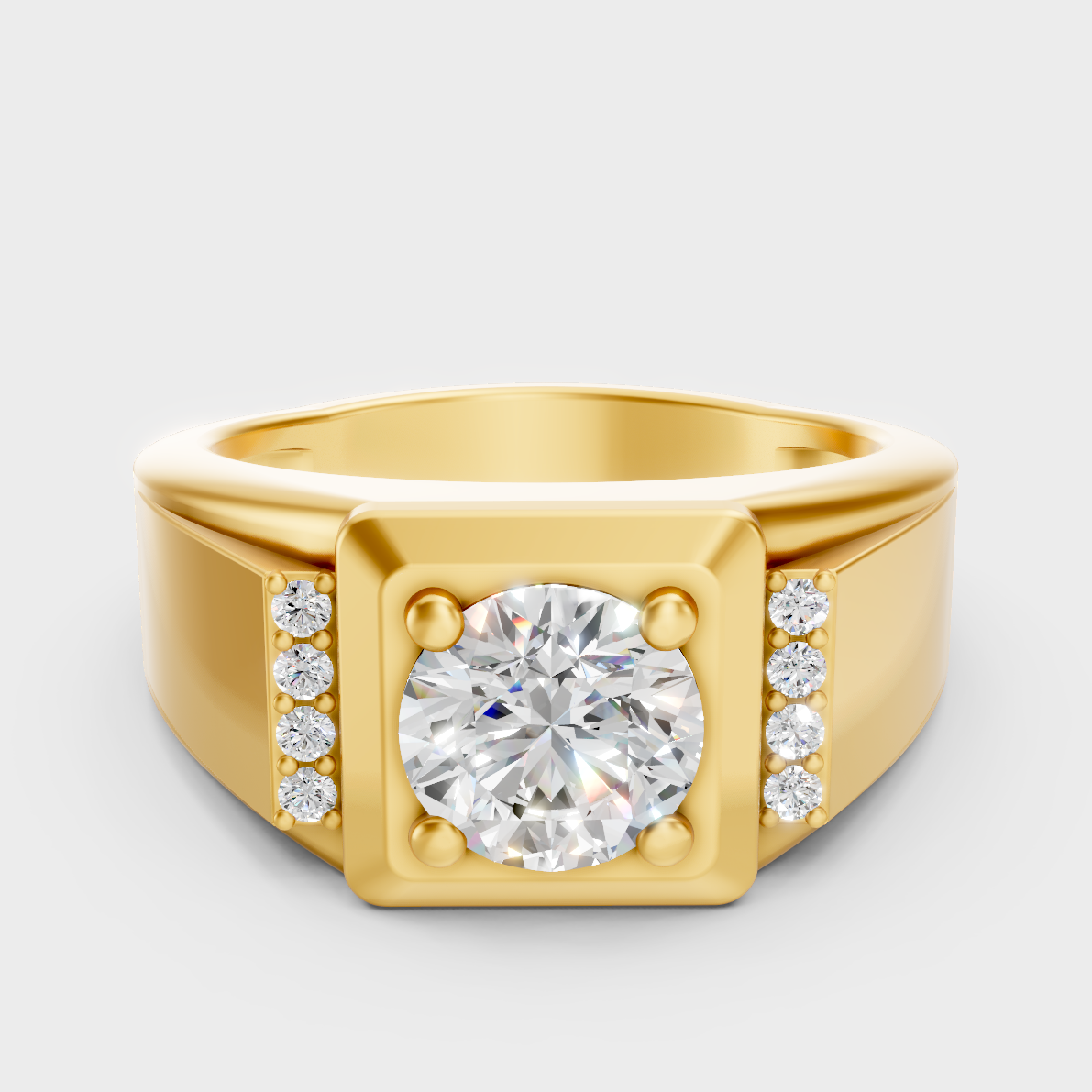
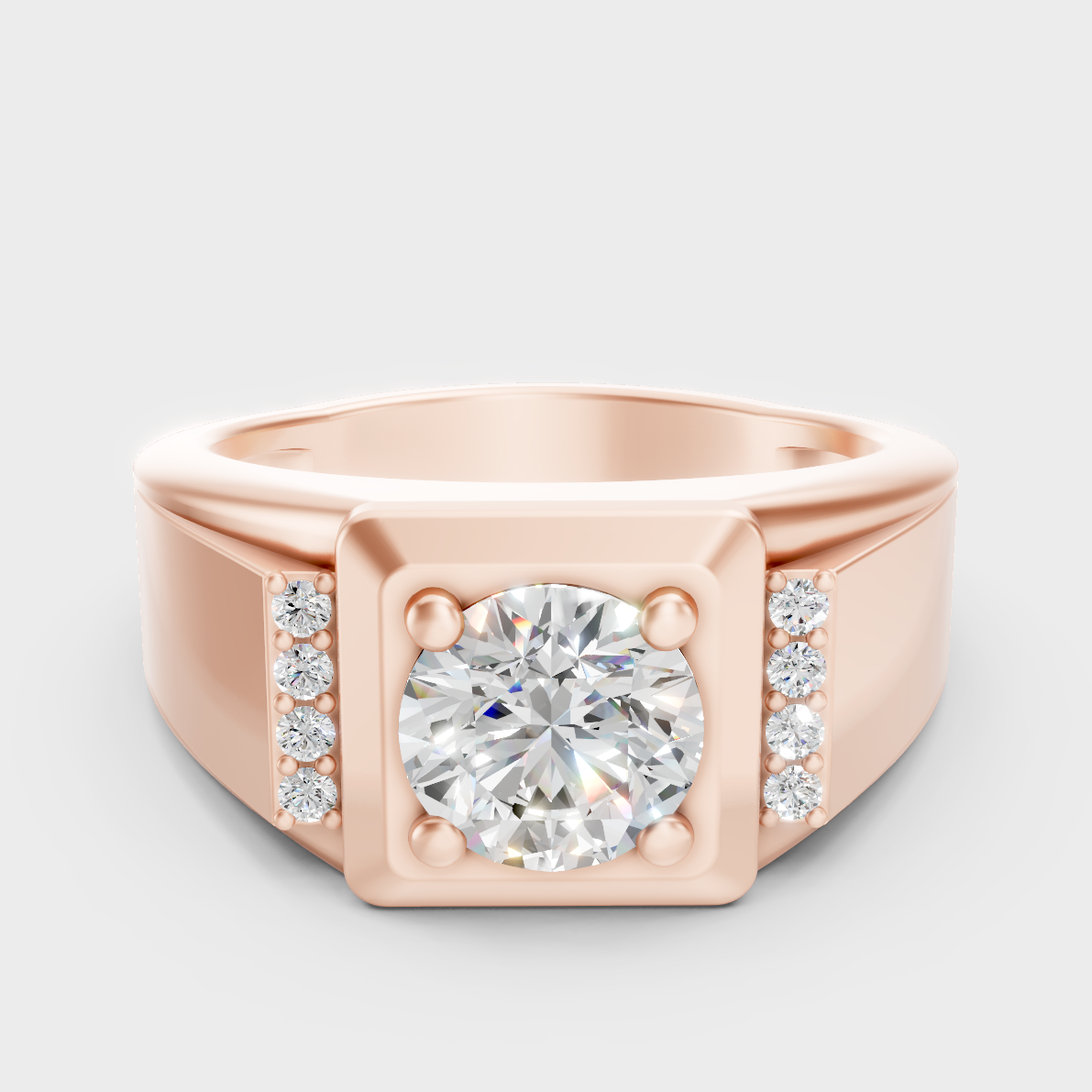
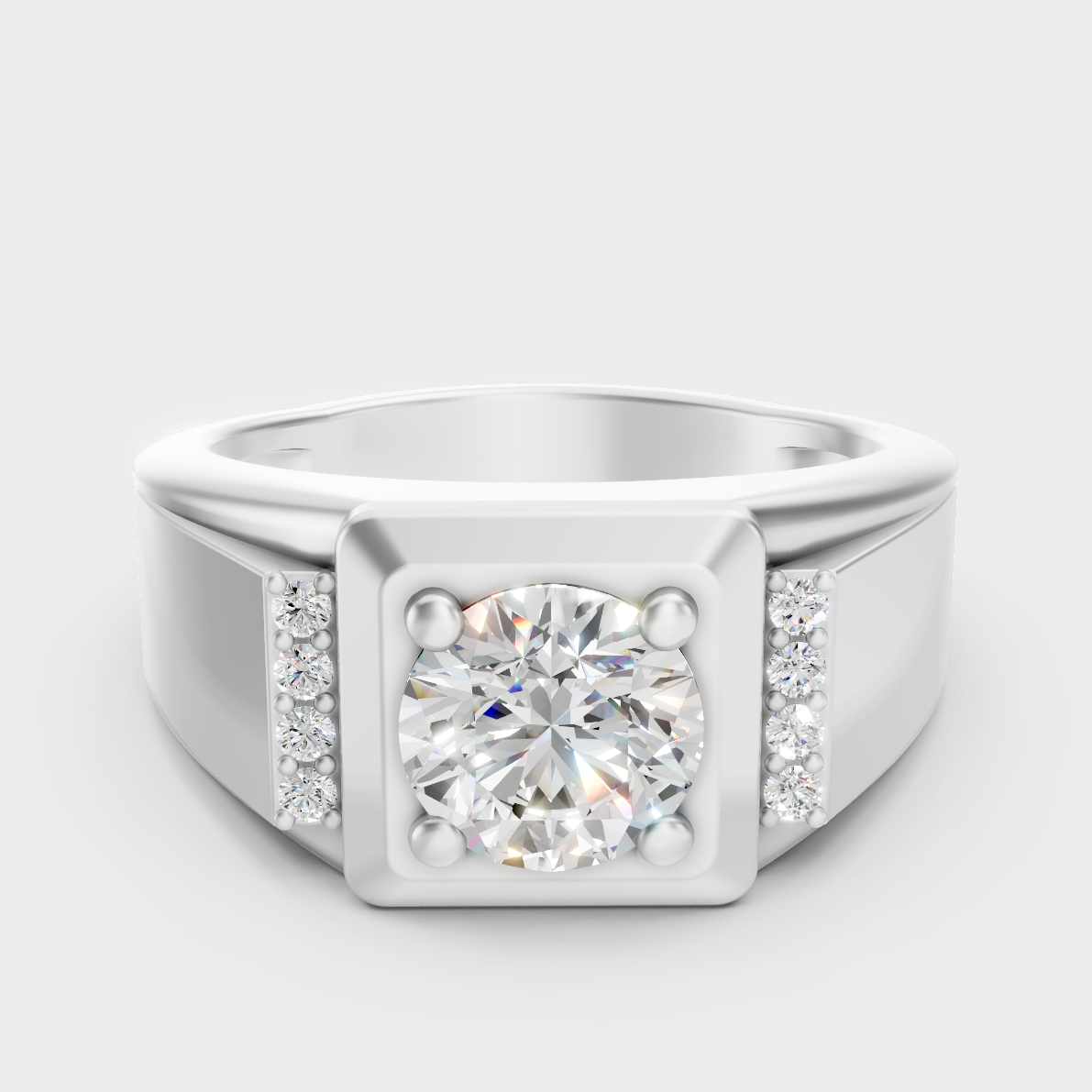
For most buyers: prioritise cut, choose colour in the G–I range, choose clarity in the VS1–SI1 range (unless buying an emerald or other step cut, where you should go slightly higher), and spend the remaining budget on carat weight. This combination consistently gives the best visual result per rupee spent. Browse Inasha's IGI and GLI certified rings to see this balance applied across real pieces.