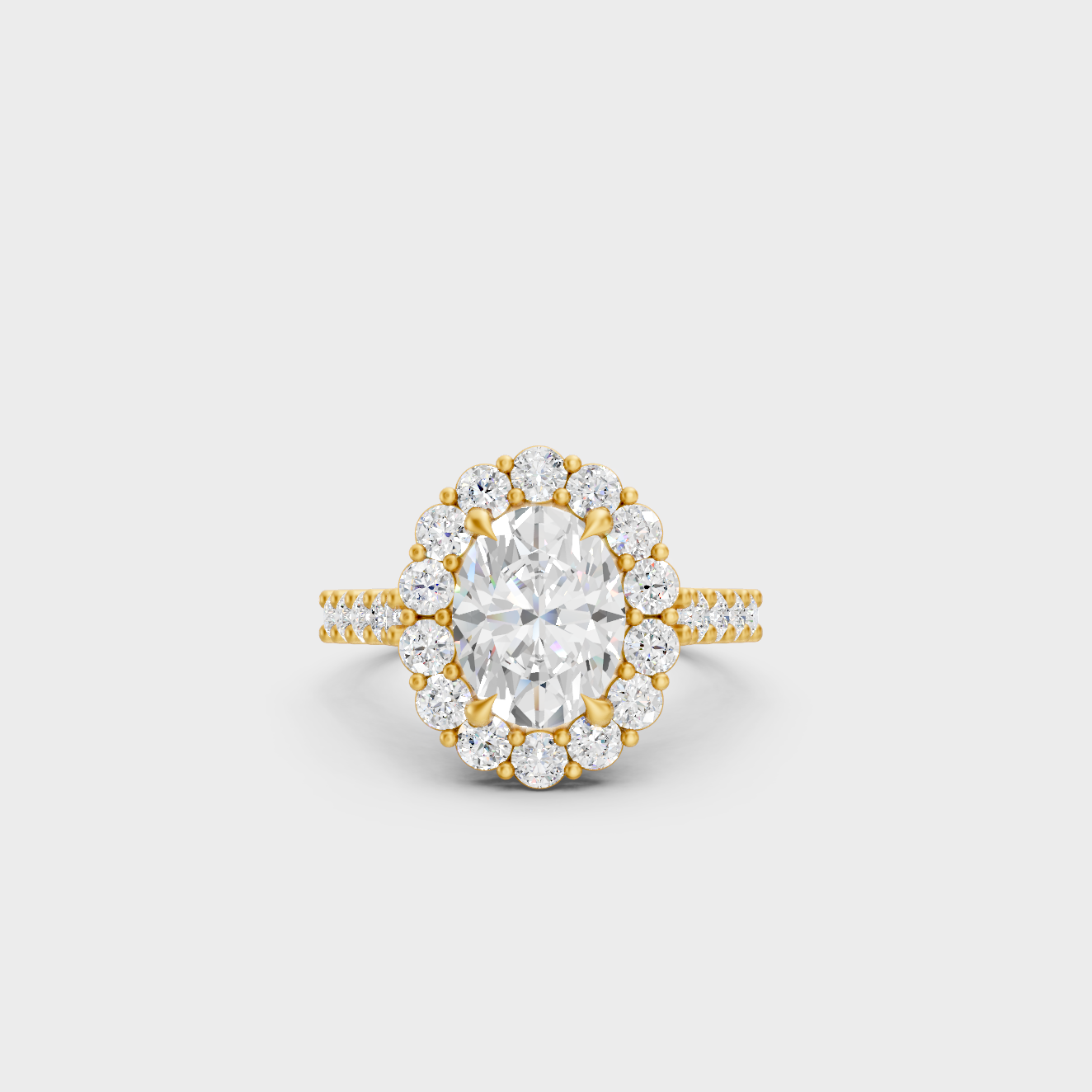


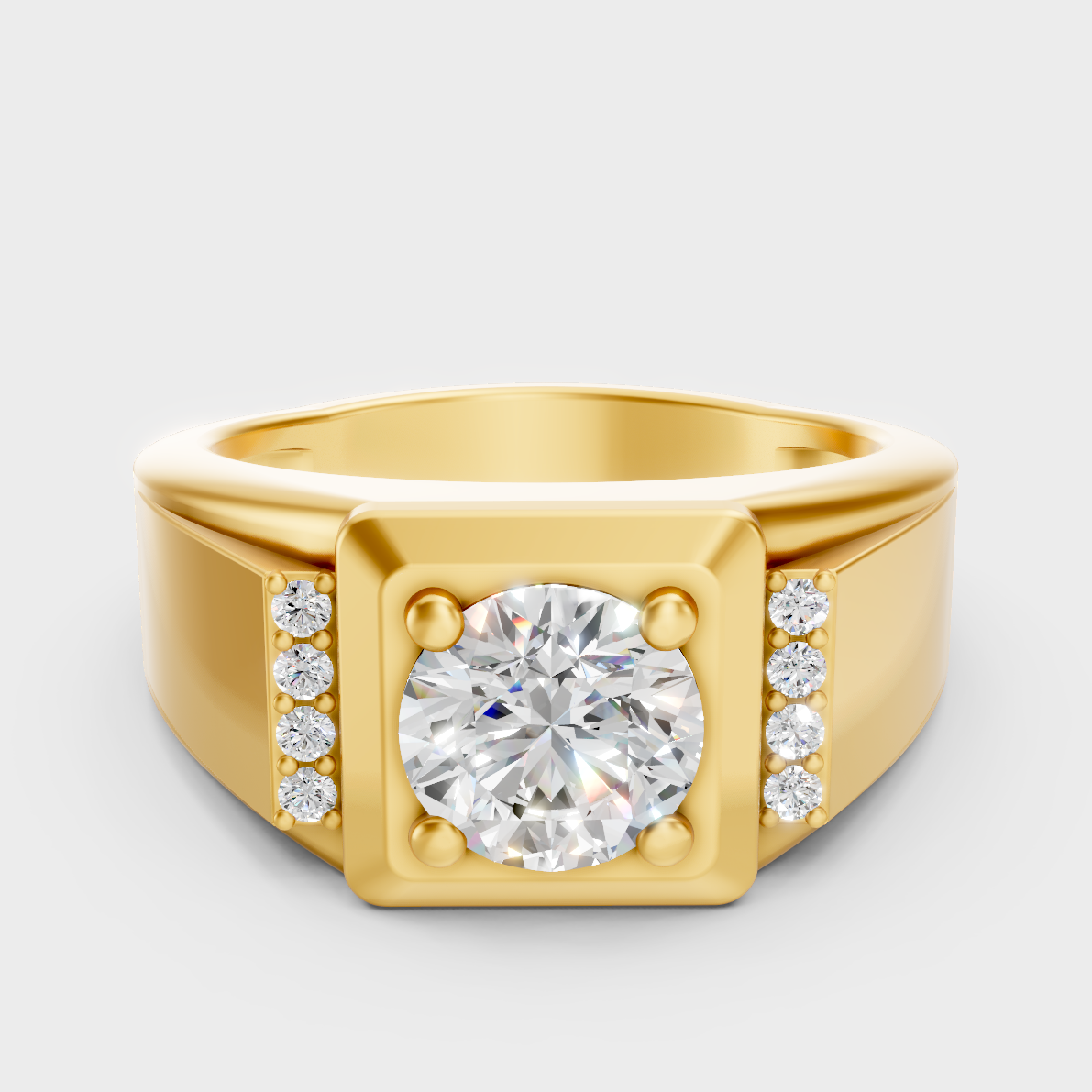
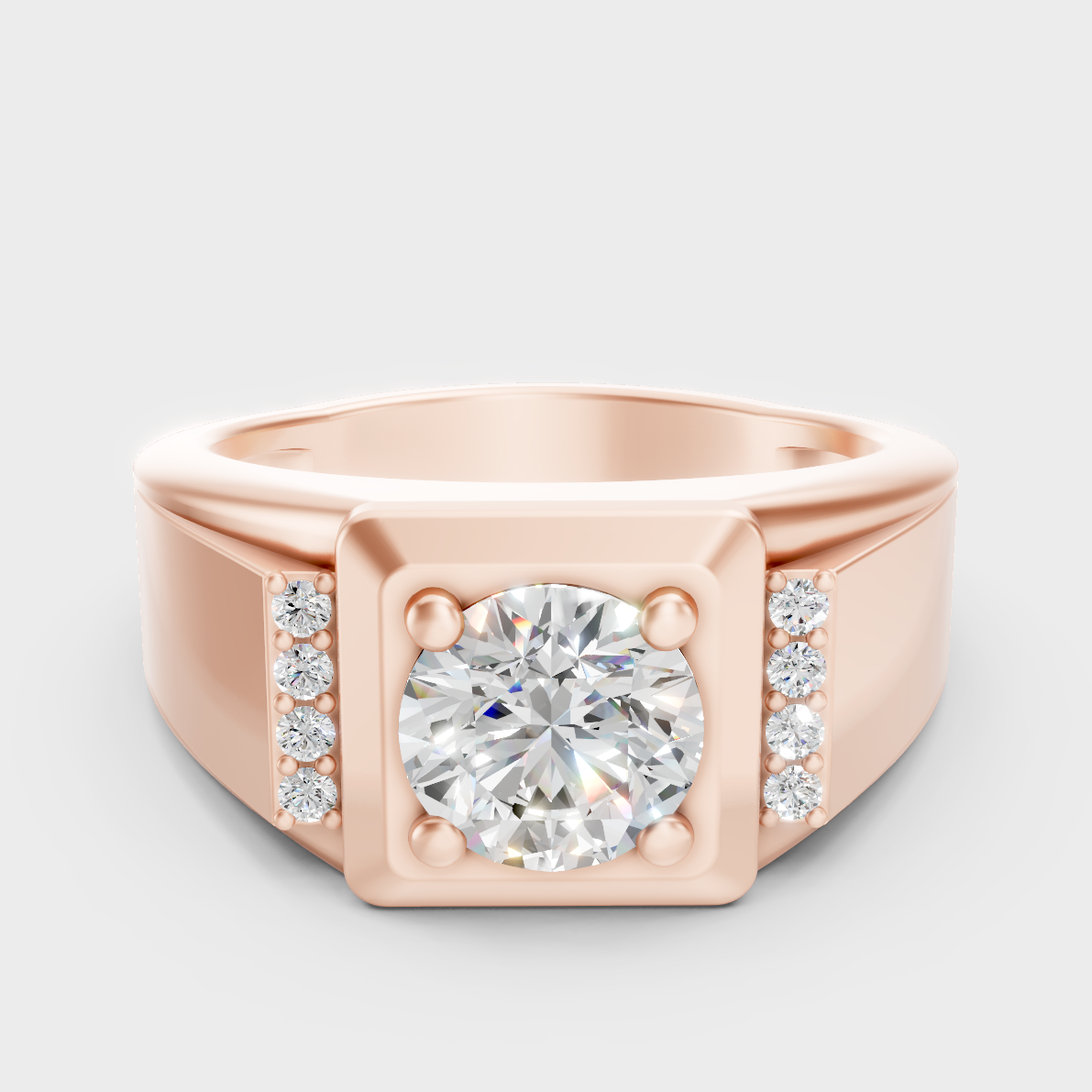
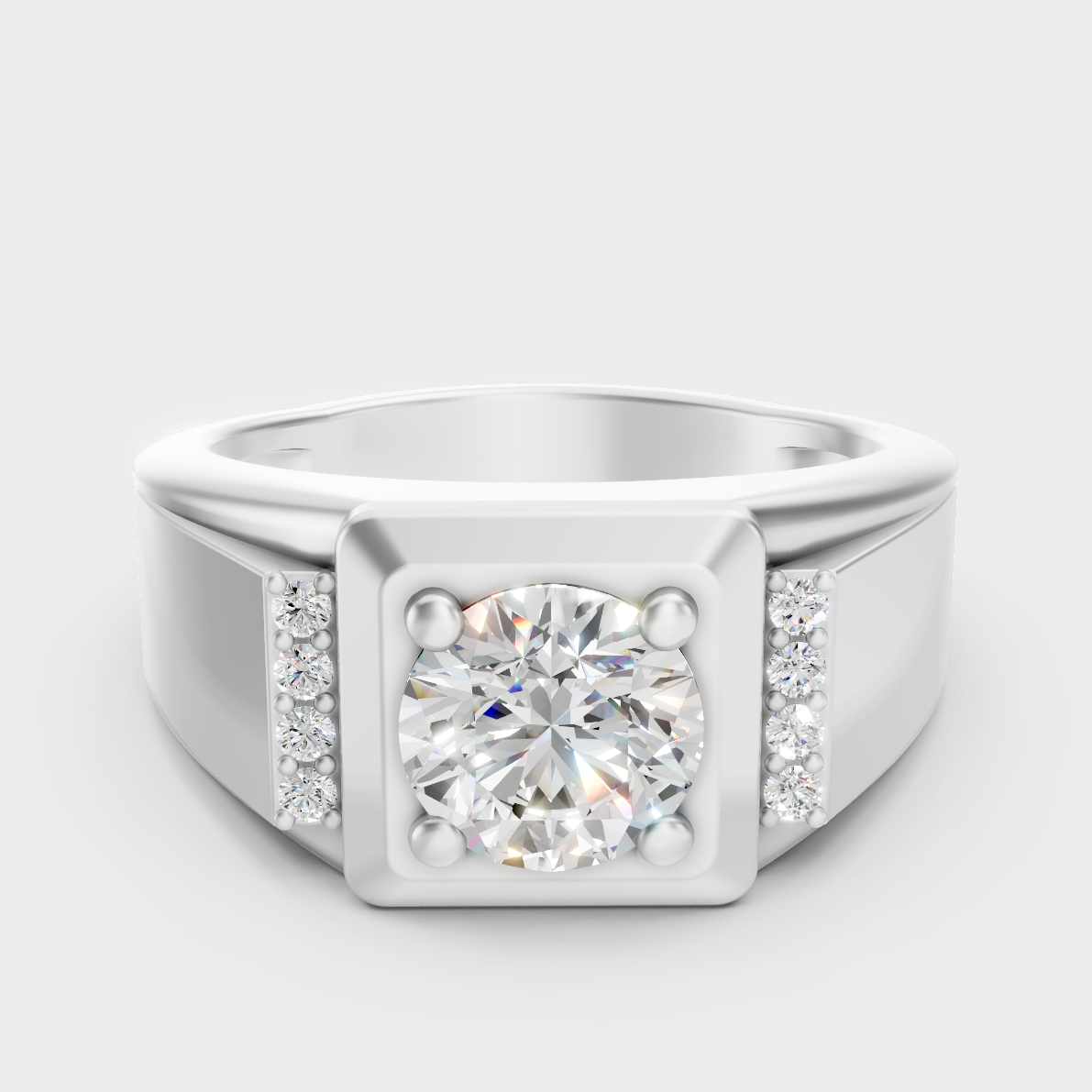
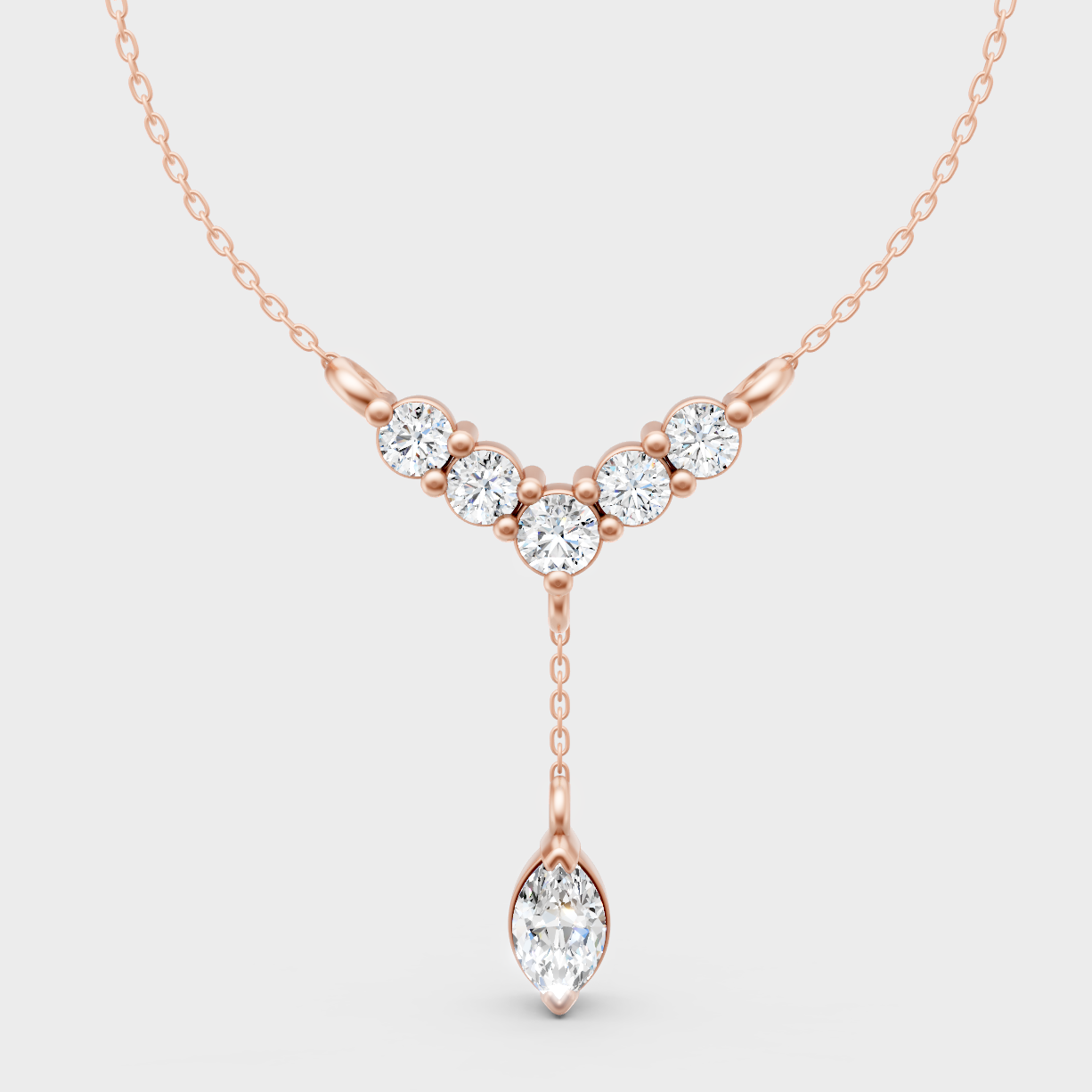
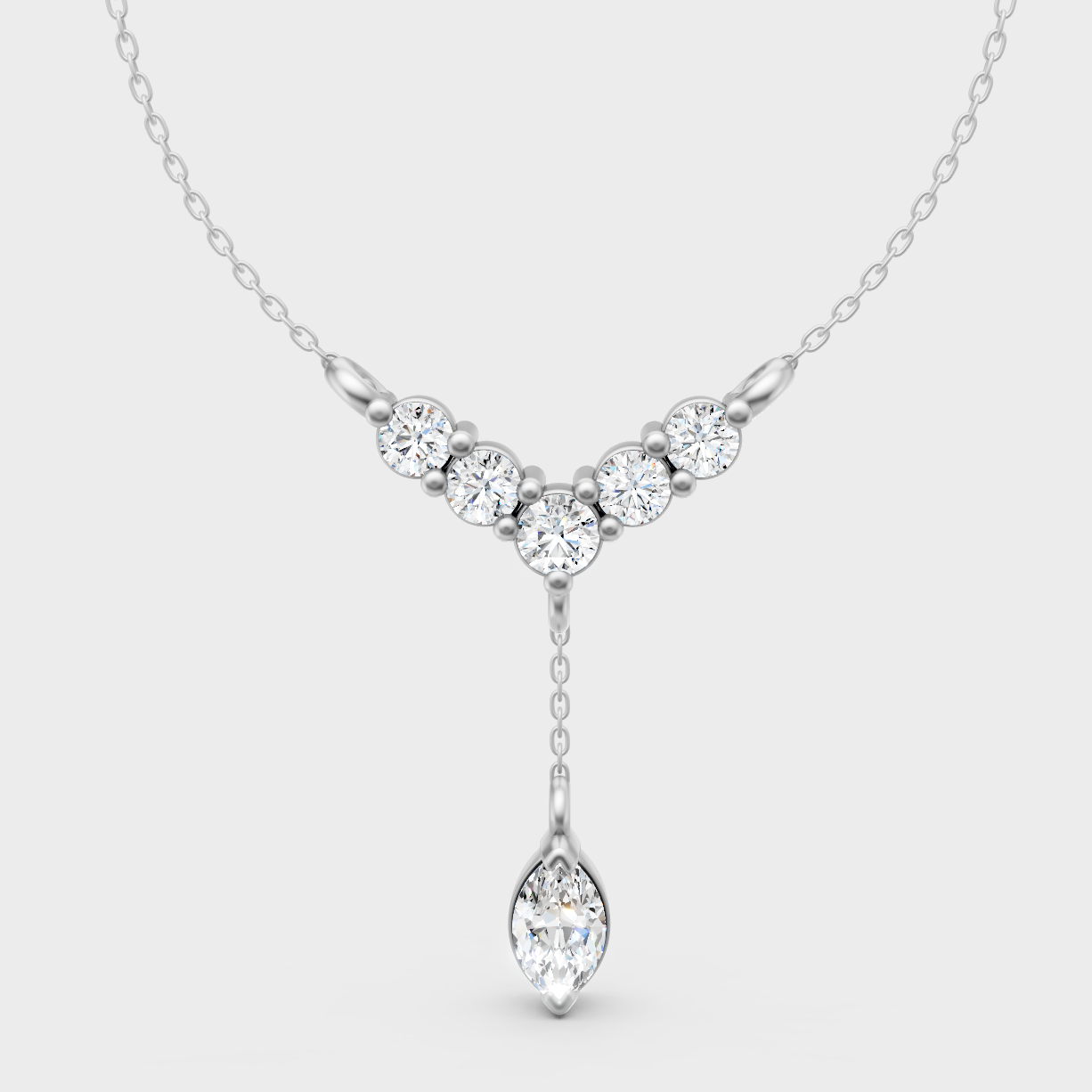


Lab Grown Diamonds vs Natural Diamonds: The Complete Guide for Indian Buyers in 2025
If you've been jewellery shopping recently, you've probably heard about lab grown diamonds. Maybe a friend mentioned them, or you stumbled upon them while searching for engagement rings online. And now you're wondering — are they real? Are they better? Should I buy one?
You're not alone. Millions of Indians are asking the same questions in 2025, and for good reason. The lab grown diamond market in India is growing rapidly, offering stunning jewellery at prices that were unthinkable just a few years ago. At Inasha Diamonds, we want to help you make an informed, confident choice. So here's everything you need to know.
What Exactly Is a Lab Grown Diamond?
A lab grown diamond is a real diamond — not a simulant, not cubic zirconia, not a fake. It is made of pure carbon atoms arranged in the same crystal structure as a natural diamond. The only difference? It was created in a controlled laboratory environment rather than mined from the earth.
Scientists use one of two processes to grow diamonds:
• Chemical Vapour Deposition (CVD): A tiny diamond seed is placed in a carbon-rich gas chamber. At high temperatures, carbon atoms bond to the seed and the diamond grows layer by layer — similar to how a crystal forms in nature.
• High Pressure High Temperature (HPHT): This mimics the natural conditions deep within the earth's mantle — extreme heat and pressure — to grow a diamond from a carbon source.
The result? A diamond that is chemically, physically, and optically identical to one dug from the earth. A trained gemologist cannot tell them apart with the naked eye.
Are Lab Grown Diamonds Real Diamonds?
Yes — absolutely, unequivocally, yes. Lab grown diamonds pass every standard gemological test. They refract light the same way. They score 10 on the Mohs hardness scale — the hardest natural substance known. They can scratch glass. They sparkle with the same fire and brilliance.
In fact, the International Gemological Institute (IGI) and the Gemological Institute of America (GIA) — the world's most respected diamond certifying bodies — both grade lab grown diamonds using the exact same 4Cs system: Cut, Colour, Clarity, and Carat.
At Inasha Diamonds, every piece comes with an IGI or GLI certificate, so you know exactly what you're getting.
Lab Grown Diamond Price in India vs Natural Diamond Price
This is where it gets exciting for Indian buyers. Lab grown diamonds are typically 60-80% less expensive than natural diamonds of the same quality. Let's put that in real numbers:
• A 1-carat natural diamond of VS1 clarity and G colour might cost ₹2.5 to ₹4 lakhs in India.
• A 1-carat lab grown diamond with the same specifications? You could buy it for ₹40,000 to ₹80,000.
• That's the same sparkle, the same certification, the same ring — at a fraction of the price.
This means you can choose a larger stone, a more intricate setting, or a higher-quality metal like 18K gold or platinum — all within the same budget that would have bought you a much smaller natural diamond.
Quality: Are Lab Grown Diamonds As Good As Natural Diamonds?
In terms of quality — yes. In many ways, even better. Here's why:
• Controlled environment means fewer impurities and inclusions.
• You can find lab grown diamonds with higher colour and clarity grades more easily and affordably.
• The cut quality is equally excellent — our diamonds are cut by master craftsmen to maximise brilliance.
Some lab grown diamonds are actually Type IIA — the purest form of diamond that exists. Less than 2% of natural diamonds are Type IIA. Many lab grown diamonds fall into this category.
Environmental & Ethical Considerations
Traditional diamond mining has a complicated history. From environmental degradation to ethical concerns about conflict diamonds (also called blood diamonds), many modern buyers — especially millennials and Gen Z — are choosing lab grown diamonds as a conscious choice.
• Lab grown diamonds have a significantly lower carbon footprint than mined diamonds.
• No land is excavated, no communities are displaced, no ecosystems are destroyed.
• No risk of purchasing conflict diamonds — lab grown diamonds are fully traceable.
For Indian buyers who care about the planet and want to celebrate love ethically, this matters deeply.
What About Resale Value?
This is an honest question that deserves an honest answer. Natural diamonds have historically held some resale value, though it's often less than buyers expect. Lab grown diamond prices have come down significantly in recent years, which means their resale value follows a similar trajectory.
However, here's our perspective: most people don't buy jewellery as a financial investment. They buy it for joy, for love, for celebration. And at Inasha Diamonds, we offer a 100% buyback guarantee — so you always have a reliable exit option when you're ready to upgrade.
The Verdict: Should You Buy a Lab Grown Diamond in India?
If you want maximum diamond for your budget — yes. If you care about ethics and sustainability — yes. If you want a certified, hallmarked, real diamond ring that will last generations — yes.
The only scenario where a natural diamond makes more sense is if the emotional story of the stone's origin matters to you — if you want to give something formed over millions of years beneath the earth. That is a valid and personal choice.
For everyone else, lab grown diamonds offer extraordinary value. At Inasha Diamonds, we craft each piece with BIS hallmarked gold or platinum, IGI/GLI certified lab grown diamonds, and the craftsmanship it deserves — at prices that make luxury accessible.
Explore our full collection at inashadiamonds.com — from solitaire engagement rings to everyday pendants, all in 9K, 14K, 18K gold and platinum.

