

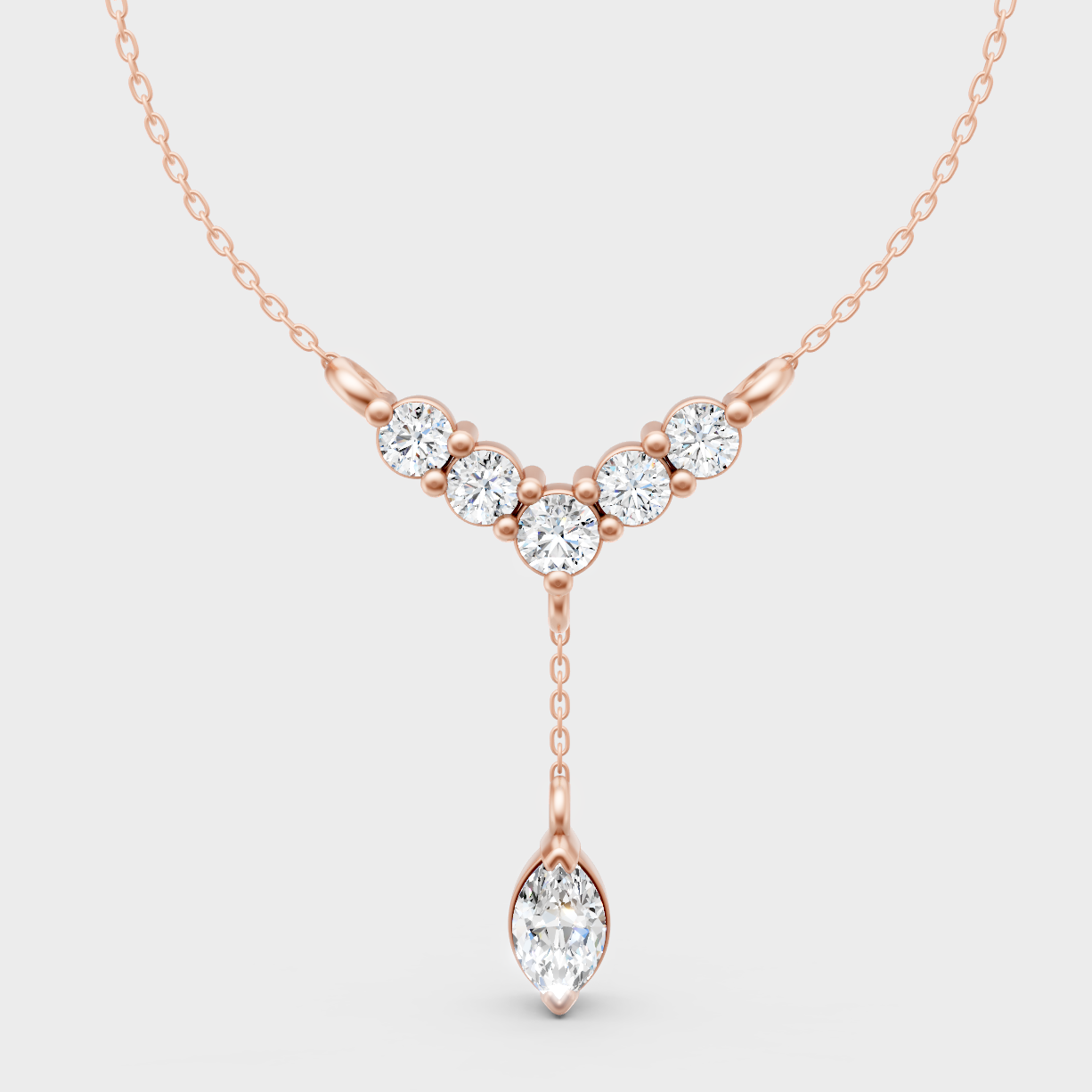
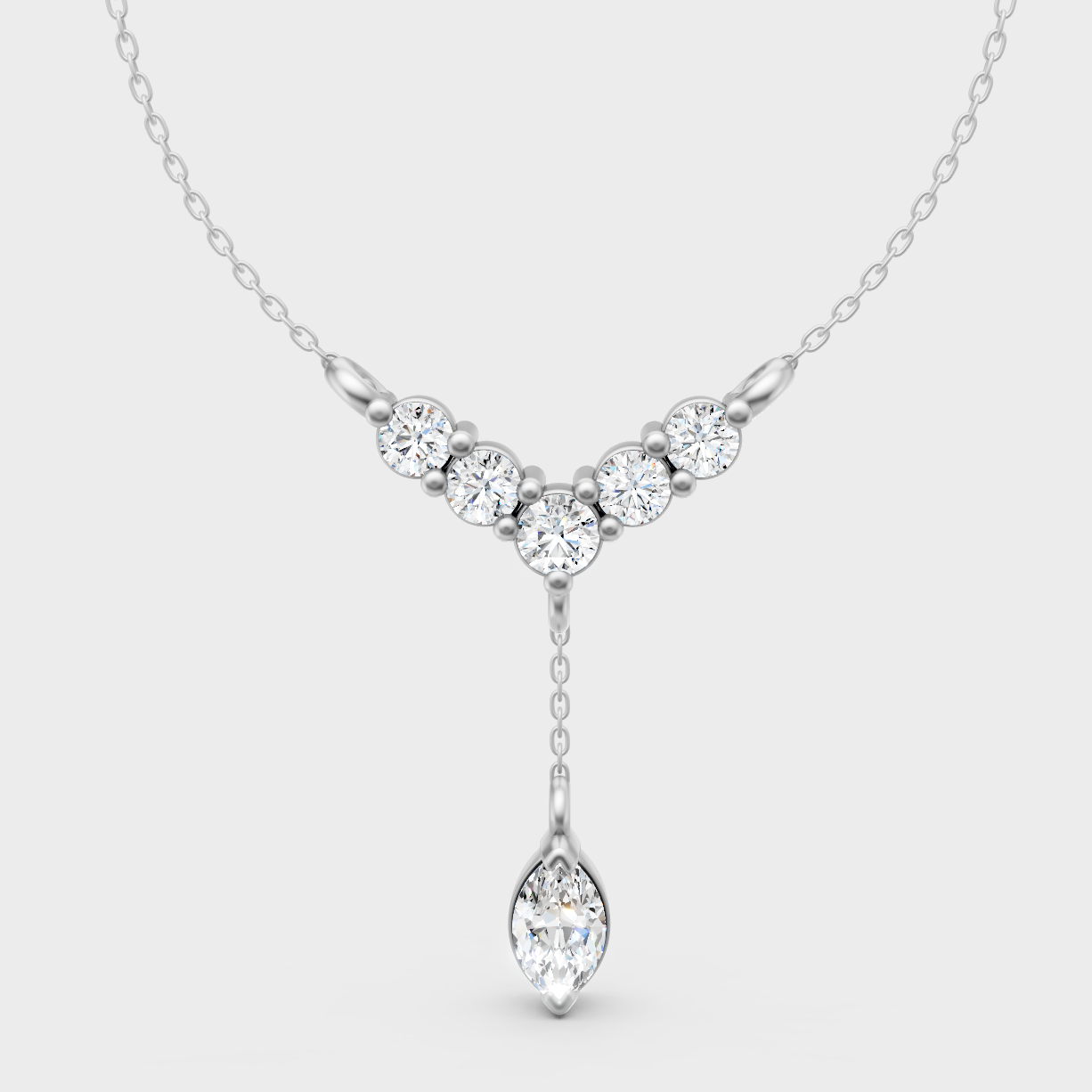


The 4Cs of Diamonds Explained: What Every Indian Buyer Needs to Know Before Purchasing
Walk into any jewellery store in India and ask about a diamond, and you'll immediately hear: cut, colour, clarity, carat. These four words — the 4Cs — are the universal language of diamond quality, developed by the Gemological Institute of America (GIA) and used by every certified jeweller worldwide.
But what do they actually mean? And more importantly, which one should you prioritise when you're working within a budget? Let's break it down simply.
1. Cut — The Most Important C
Cut does not refer to the shape of a diamond (round, oval, pear, etc.). It refers to how well the diamond's facets interact with light. A well-cut diamond will dazzle. A poorly cut diamond — even with perfect colour and clarity — will look dull and lifeless.
Cut is graded as: Excellent / Ideal → Very Good → Good → Fair → Poor
Always aim for Excellent or Very Good cut. This is the single most important factor in making a diamond look brilliant and beautiful. At Inasha Diamonds, we prioritise excellent cut quality across all our certified pieces.
• Tip: A well-cut diamond can even mask slight colour or clarity imperfections by maximising light return.
2. Colour — Less Is More (Sort Of)
Diamond colour is graded on a scale from D (completely colourless) to Z (noticeably yellow or brown tint). Counterintuitively, you want less colour in a white diamond. The less colour, the more valuable.
The colour grades most relevant to buyers:
• D, E, F: Colourless — premium tier, visible difference only to trained eyes
• G, H, I: Near colourless — excellent value, most buyers cannot see the difference with the naked eye
• J, K: Faint yellow — visible tint, but can look beautiful in yellow gold settings
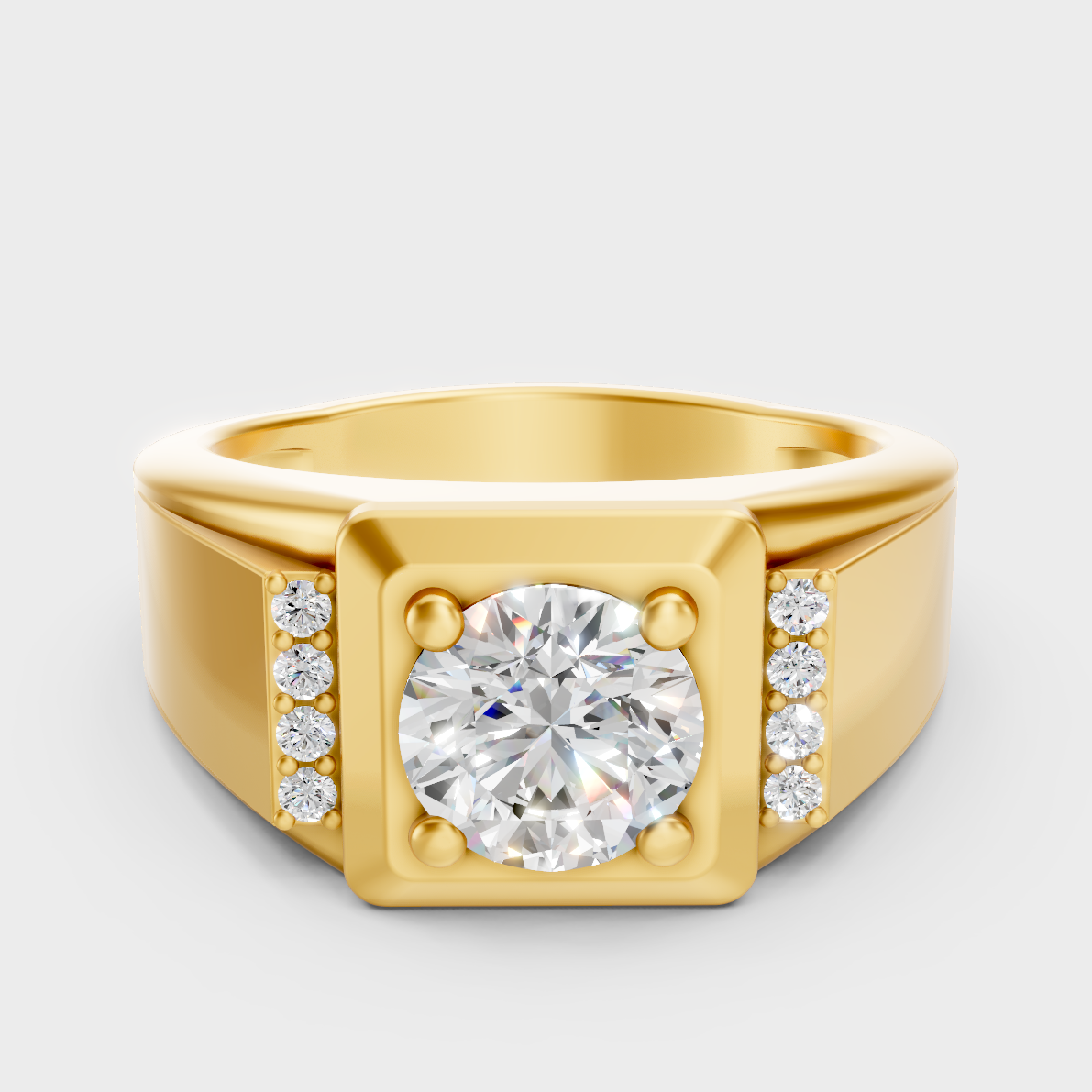
For everyday jewellery and engagement rings, G-H colour diamonds offer the best balance of quality and price. In yellow gold settings, you can go as low as I-J colour because the gold warms the stone's tone anyway.
3. Clarity — Nature's Fingerprints (and Lab's Too)
Clarity refers to the presence of internal inclusions (tiny imperfections formed during growth) and external blemishes. The GIA/IGI clarity scale runs from:
• FL/IF (Flawless / Internally Flawless): No inclusions under 10x magnification — extremely rare
• VVS1, VVS2 (Very Very Slightly Included): Minute inclusions, invisible to naked eye
• VS1, VS2 (Very Slightly Included): Minor inclusions, not visible to naked eye — excellent everyday choice
• SI1, SI2 (Slightly Included): Inclusions visible under magnification, sometimes to naked eye
• I1, I2, I3 (Included): Inclusions visible to naked eye — avoid for fine jewellery
Eye-clean is the magic term. A VS1 or VS2 diamond looks identical to a flawless diamond to the naked eye — and costs significantly less. This is where smart buyers find the best value.
4. Carat — Size Isn't Everything
Carat is the unit of weight for diamonds. 1 carat = 0.2 grams. Larger diamonds are rarer and exponentially more expensive — a 2-carat diamond costs much more than twice the price of a 1-carat stone.
A few smart strategies for Indian buyers:
• Consider 0.90 ct instead of 1.00 ct — the size difference is invisible but the price difference is significant.
• Fancy shapes like oval, pear, and marquise appear larger than round diamonds of the same carat weight.
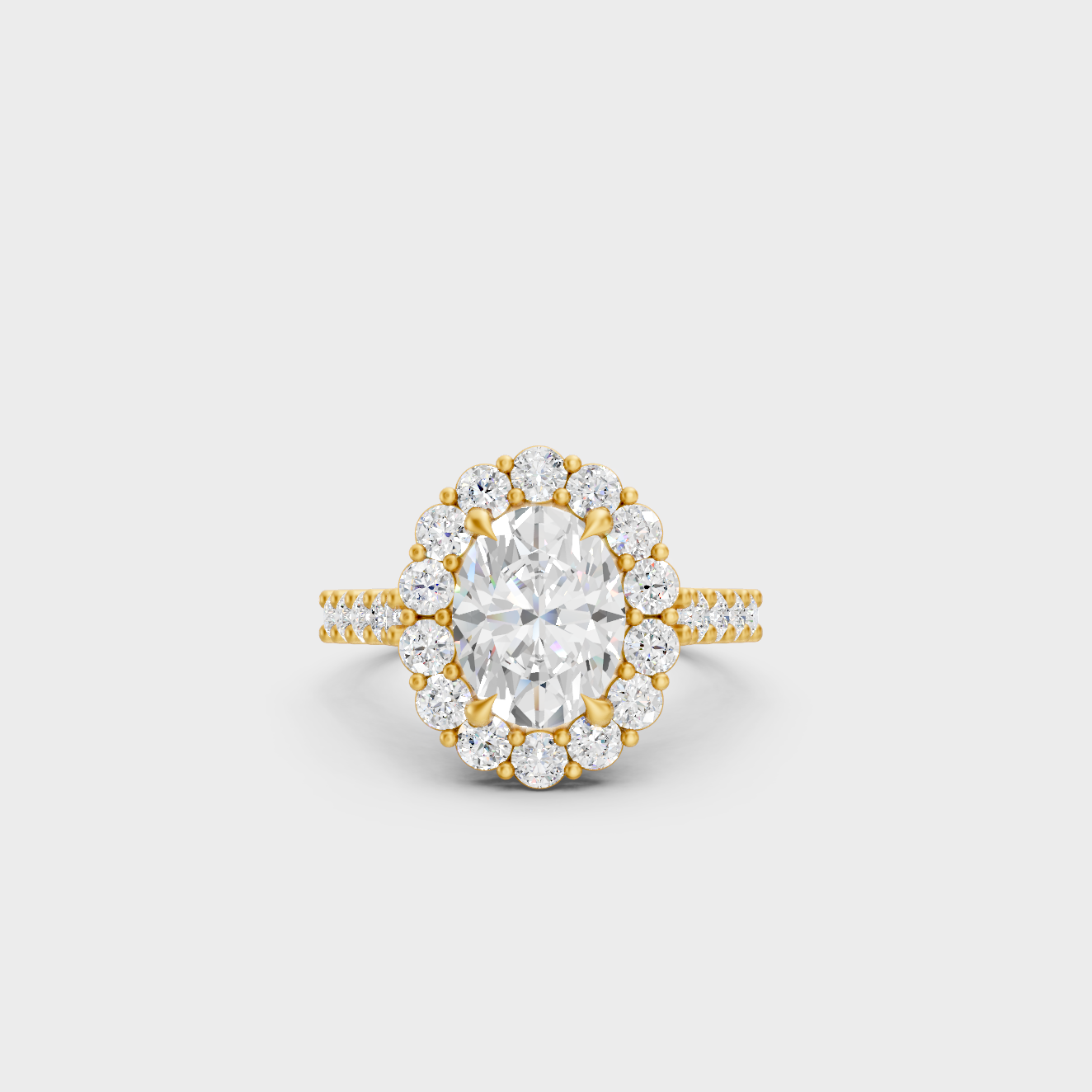
• A halo setting (small diamonds surrounding the centre stone) creates the illusion of a much larger diamond.
Which C Matters Most? A Practical Guide for Indian Budgets
If you must prioritise (and most of us have budgets to work with), here's our recommendation:
• Cut: Never compromise. Always choose Excellent or Very Good.
• Colour: G or H is the sweet spot for white gold/platinum. I or J is fine for yellow gold.
• Clarity: VS1 or VS2 is ideal. An eye-clean SI1 is also great if budget is tight.
• Carat: Adjust this last to fit your budget after the above three are satisfied.
Understanding Your Diamond Certificate
At Inasha Diamonds, all our diamonds come with IGI (International Gemological Institute) or GLI (Gem Laboratories India) certificates. These certificates are your guarantee. They list all four Cs, confirm the diamond is lab grown, and give you the specific grading for that stone.
Always ask for a certificate before purchasing any diamond jewellery. Reputable brands — and we are proud to be one — will never hesitate to show you documentation.
Browse our certified diamond collection at inashadiamonds.com. Each product listing shows the carat weight, metal options, and certified quality details so you can shop with complete confidence.

