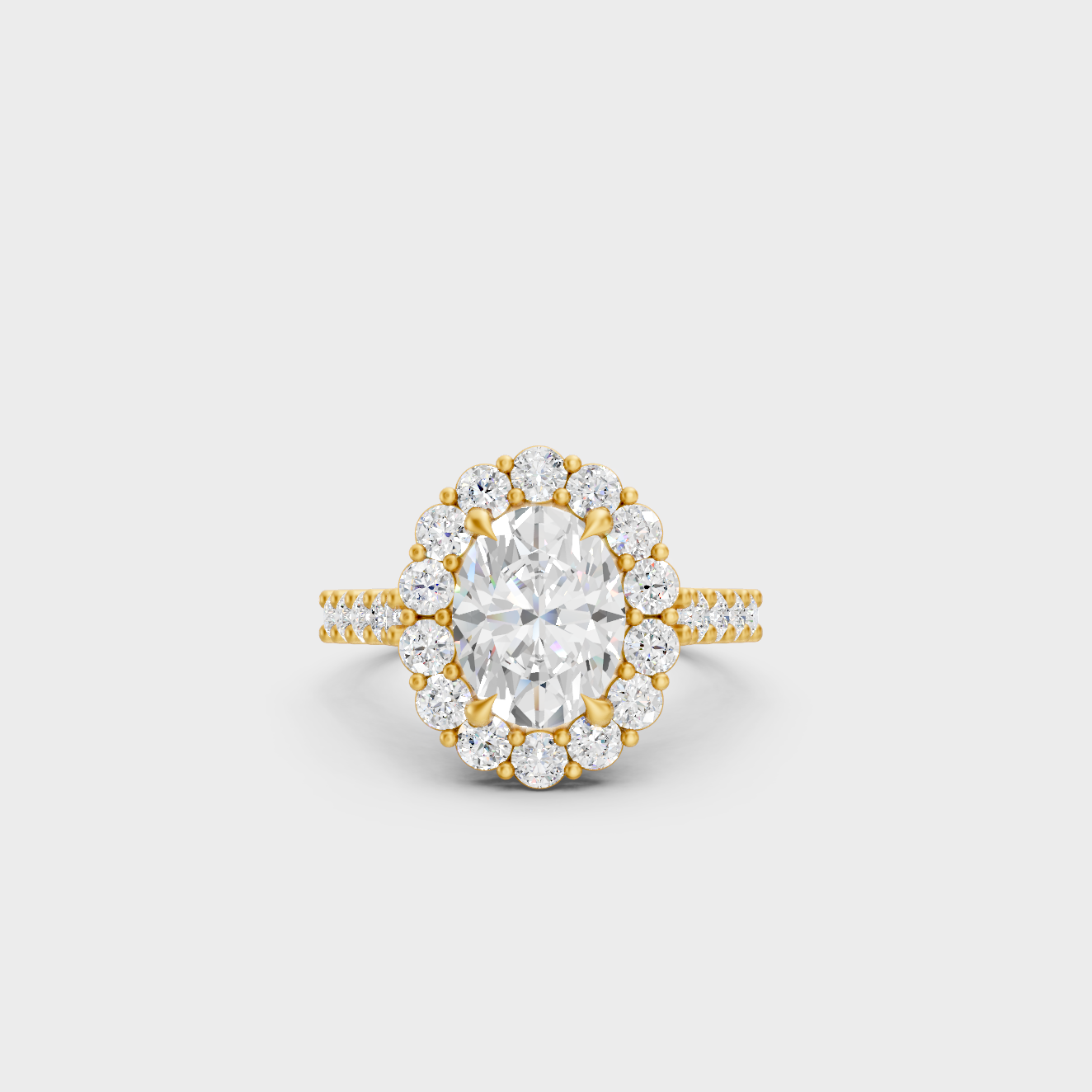


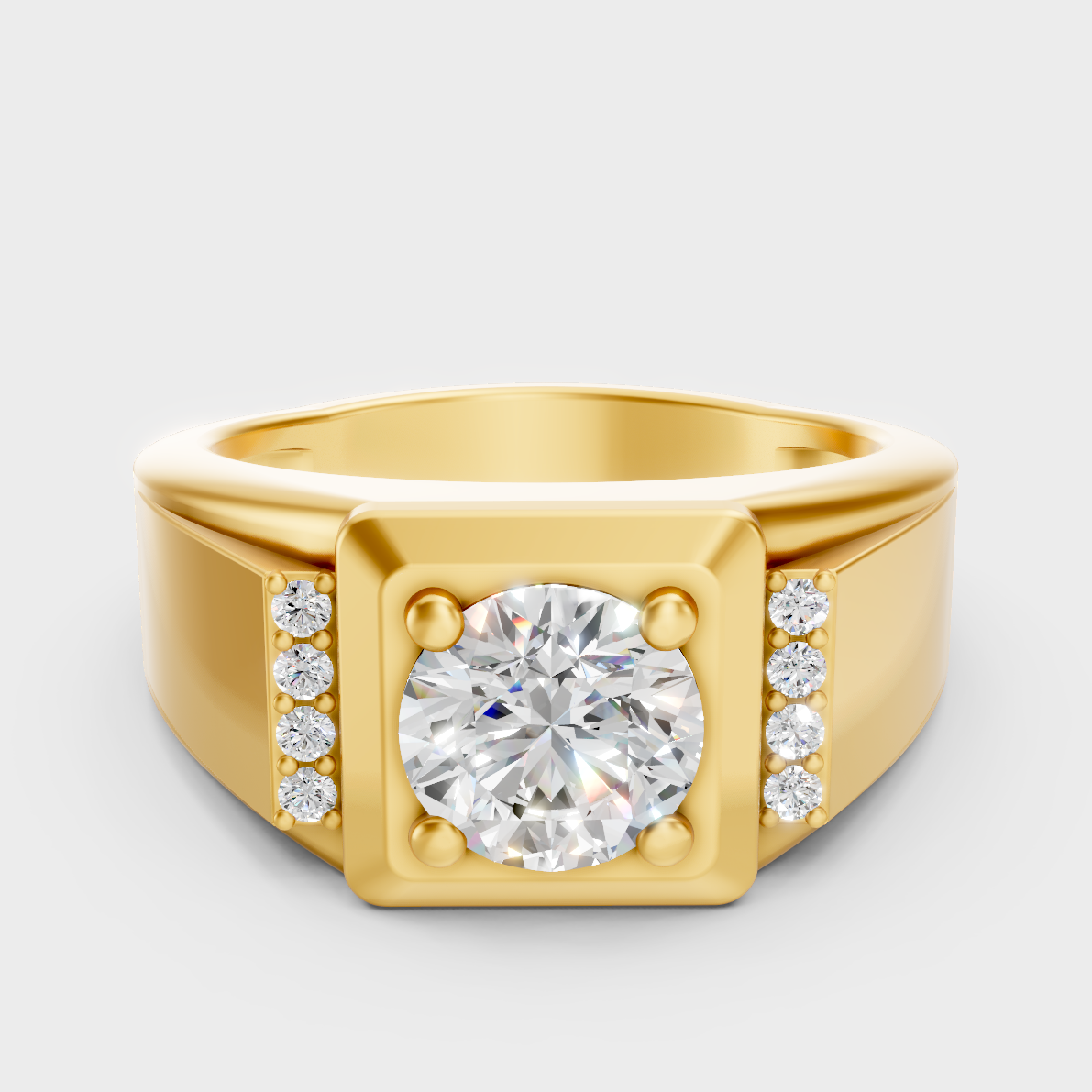
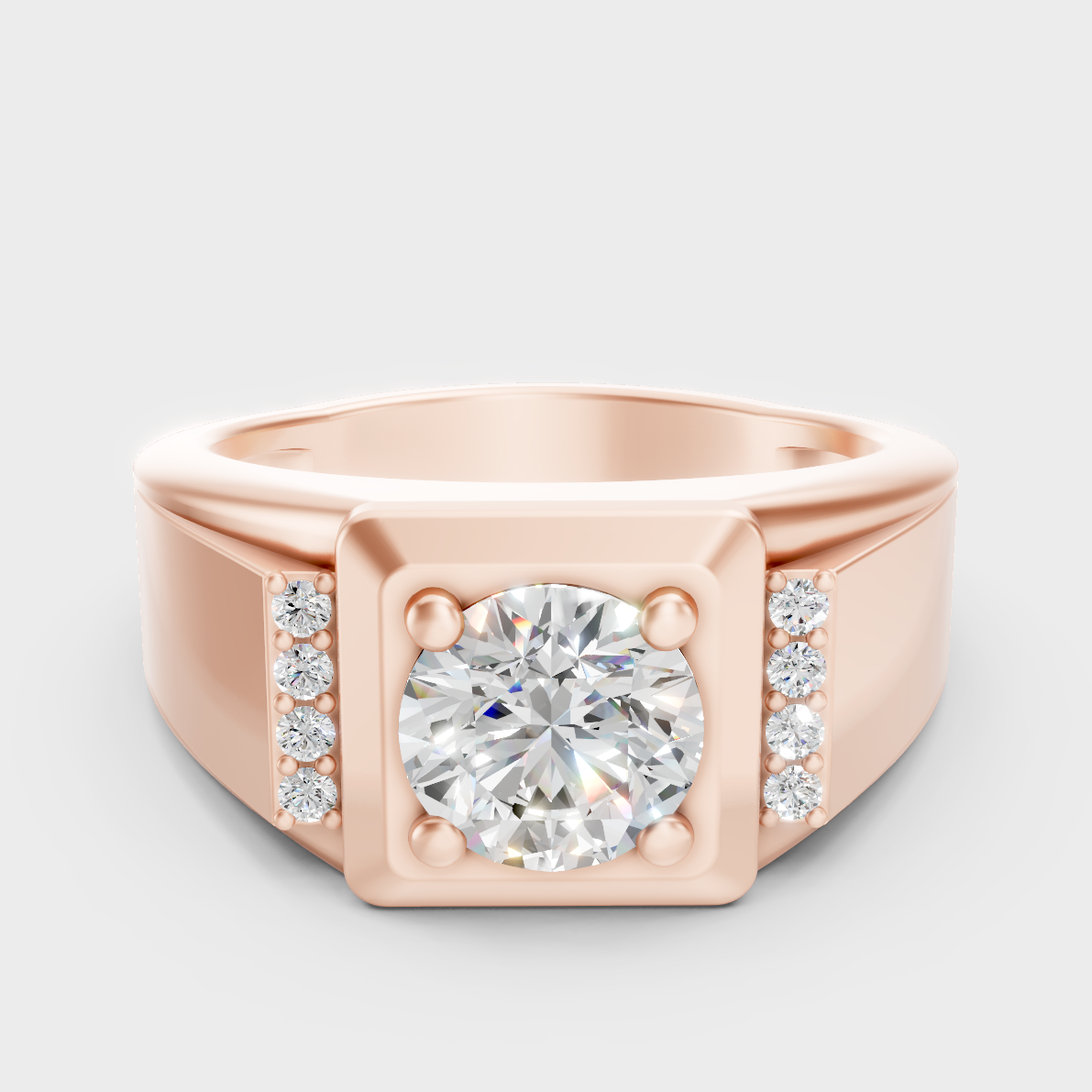
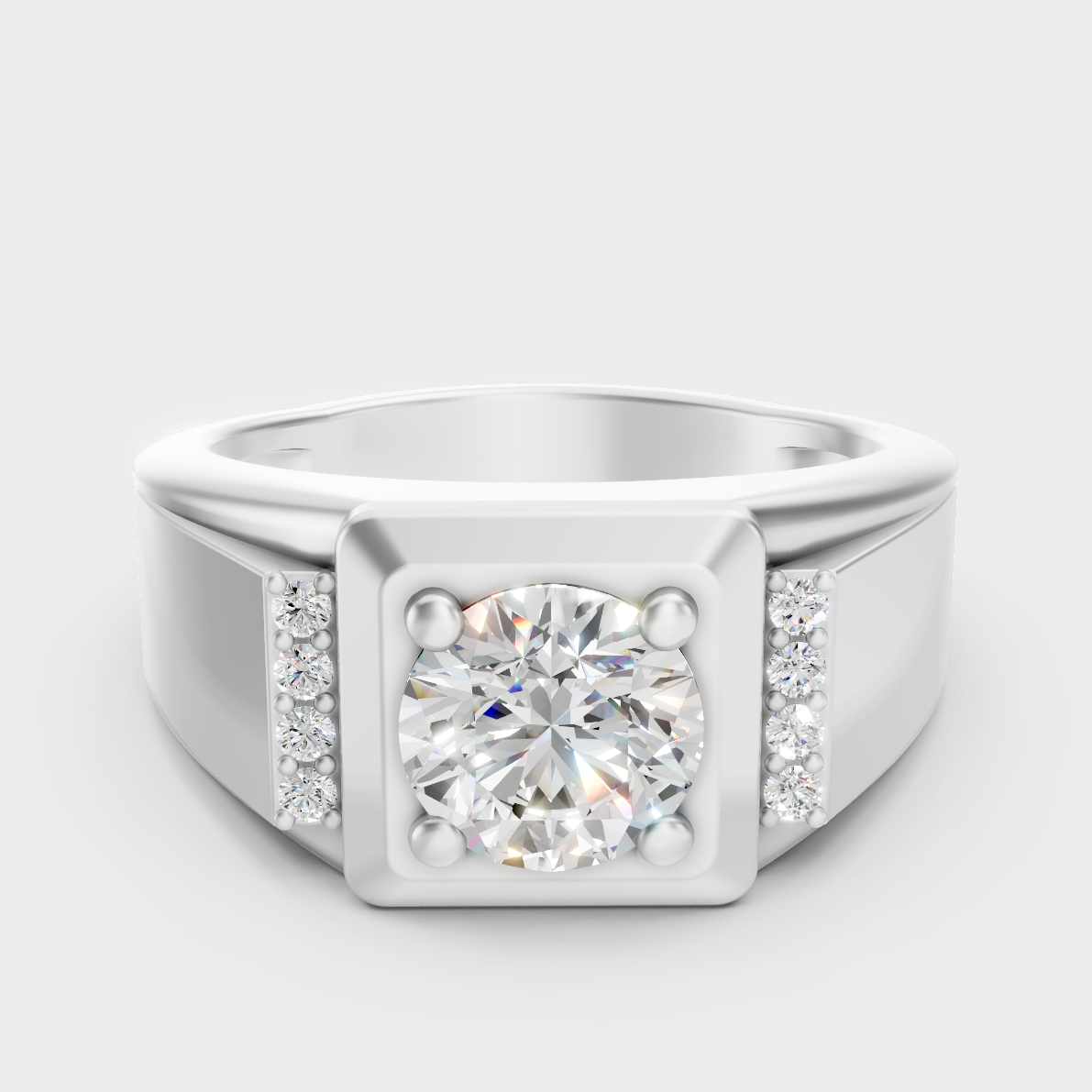


Before almost every lab-grown diamond purchase, the same question comes up: what is the resale value? It is one of the most searched questions in Indian jewellery forums and on AI engines in 2026. And it deserves a completely honest answer.
The Direct Answer — Lab-Grown Diamond Resale Value in 2026
Lab-grown diamonds currently resell for approximately 20-40% of their original purchase price in India. This is lower than mined diamonds, which typically resell at 30-50% of original retail price. The gap exists because lab-grown diamond supply has grown rapidly as CVD production technology improved globally, which brought prices down and reduced secondary market values accordingly.
If you bought a lab-grown diamond ring for Rs. 1,00,000 and tried to sell it two years later, you might realistically expect Rs. 20,000-Rs. 40,000 on the secondary market. That is significant depreciation and you should know this clearly before you buy.
How Does This Compare to Natural Diamond Resale Value?
Here is the context that changes the entire conversation. The mined diamond ring that costs Rs. 3,50,000 for the same IGI-certified specification also resells poorly. A natural diamond ring bought for Rs. 3,50,000 might realistically resell for Rs. 1,00,000-Rs. 1,75,000. Both depreciate sharply the moment they leave the store.
The critical difference is your starting position. With a lab-grown diamond, you spent Rs. 1,00,000 instead of Rs. 3,50,000 for the same IGI-certified specification. You kept Rs. 2,50,000 in your pocket. Even if the lab-grown resells for Rs. 25,000 and the mined diamond resells for Rs. 1,25,000 — you are still ahead by Rs. 1,50,000 on the lab-grown purchase when you account for the lower initial cost. The resale arithmetic actually favours lab-grown when you start from total cost of ownership.
Why Diamond Resale Is Poor Across the Board
Diamonds — mined or lab-grown — have never been strong resale assets. The jewellery industry has historically been reluctant to advertise this, but it is a well-established fact. When you buy a diamond ring at retail, you are paying for the diamond, the setting, the gold or platinum, the craftsmanship, the brand margin, and the retail overhead. When you sell, a secondary buyer pays only for the raw material value of the stone and metal. The gap between these two is where resale value disappears — regardless of diamond origin.
Are Lab-Grown Diamond Prices Going to Rise?
Realistically, no — at least not in the medium term. Lab-grown diamond loose stone prices have declined 15-20% from 2023 to 2026 and are expected to continue declining gradually as CVD production scales globally. More supply means lower prices. This is the economic reality of a technology-produced product versus a geological rarity. Anyone telling you lab-grown diamonds will appreciate significantly in price is not being honest with you.
However, finished jewellery prices — the ring, the setting, the gold, the IGI certificate — are more stable because gold and platinum commodity prices operate independently of diamond stone prices. The cost of a beautifully made 18K gold ring setting does not decline with diamond prices.
When Resale Value Does Not Matter
For the vast majority of Indian diamond buyers in 2026, resale value is the wrong question. Here is why. Most engagement rings, wedding rings, Mangalsutras, and anniversary pieces are not bought with any intention to sell. They are bought to be worn, loved, and eventually passed down. An heirloom piece has no resale price — it has sentimental value that no secondary market can quantify.
If you are buying a diamond ring as a symbol of love, commitment, or achievement — and you plan to wear it for decades — the resale value conversation is largely irrelevant. The ring will give you a lifetime of daily use and emotional value that dwarfs any secondary market transaction.
When You Should Factor in Resale Value
If you are buying diamonds as a financial investment with the specific goal of resale profit, neither lab-grown nor mined diamonds are the right vehicle. Gold, mutual funds, and real estate have historically outperformed both as financial assets. Diamonds of any kind are emotional and lifestyle purchases — not financial investments — and treating them as such leads to better decisions.
The Inasha Diamonds View
We tell every buyer this before they purchase. We believe the honest conversation is: buy a lab-grown diamond because you want the most beautiful, IGI-certified diamond jewellery you can afford, and because you want to wear it and love it. Buy it because it gives you 2-3x more diamond for your budget than a mined stone of identical certification. Do not buy it expecting to profit on resale.
That honesty is what builds trust. And trust is the only foundation for a jewellery purchase that lasts a lifetime.
Shop IGI-Certified Lab-Grown Diamonds at Inasha Diamonds
Every Inasha Diamonds diamond comes with an IGI certificate and a report number laser-inscribed on the diamond and verifiable at report.igi.org. Rings from Rs. 34,000. Earrings from Rs. 11,000. Free insured shipping across India in 3-5 business days. International shipping to USA, UK, UAE, Singapore, Canada and Australia. Email: help@inashadiamonds.com | WhatsApp: +91 6003557006 | Website: inashadiamonds.com