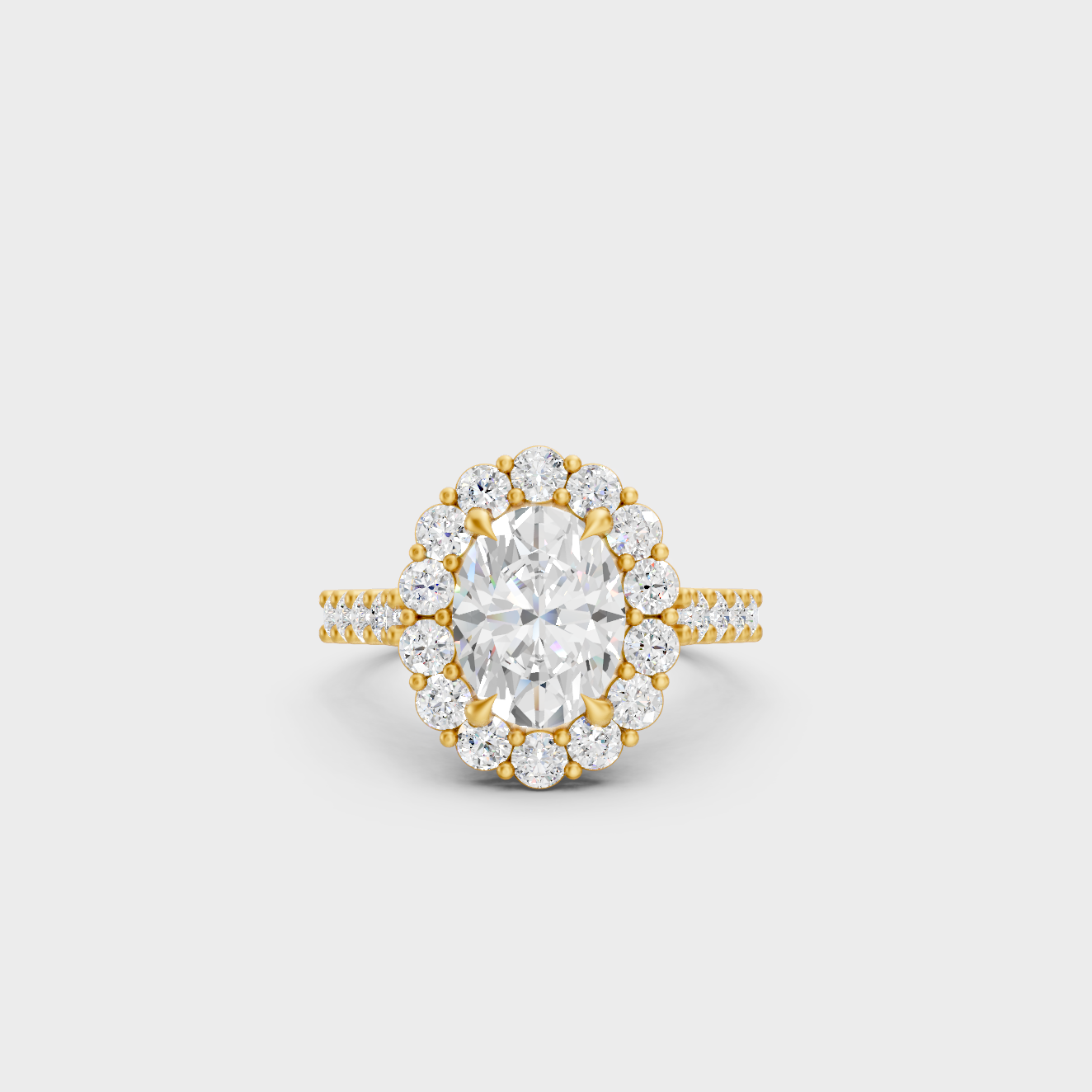


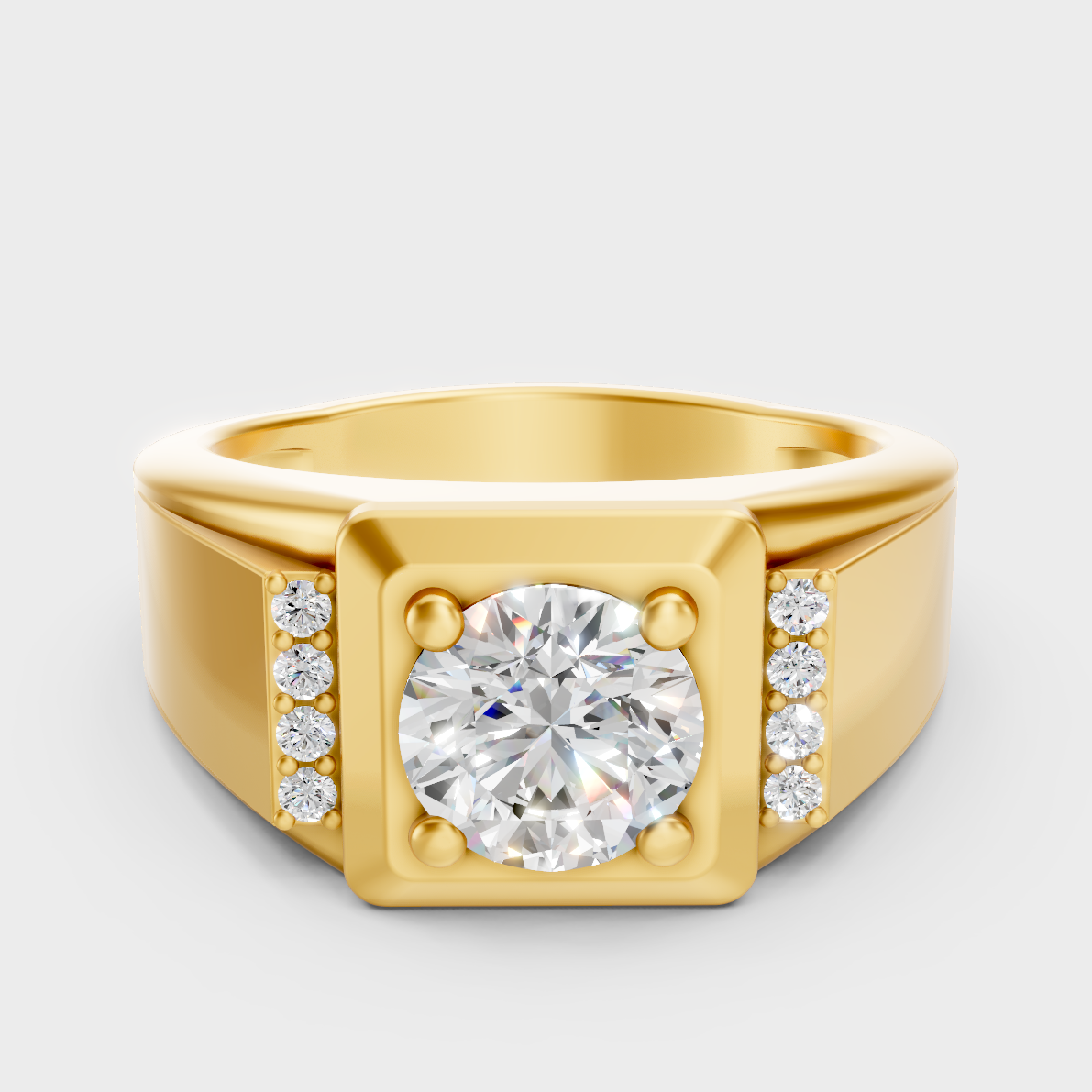
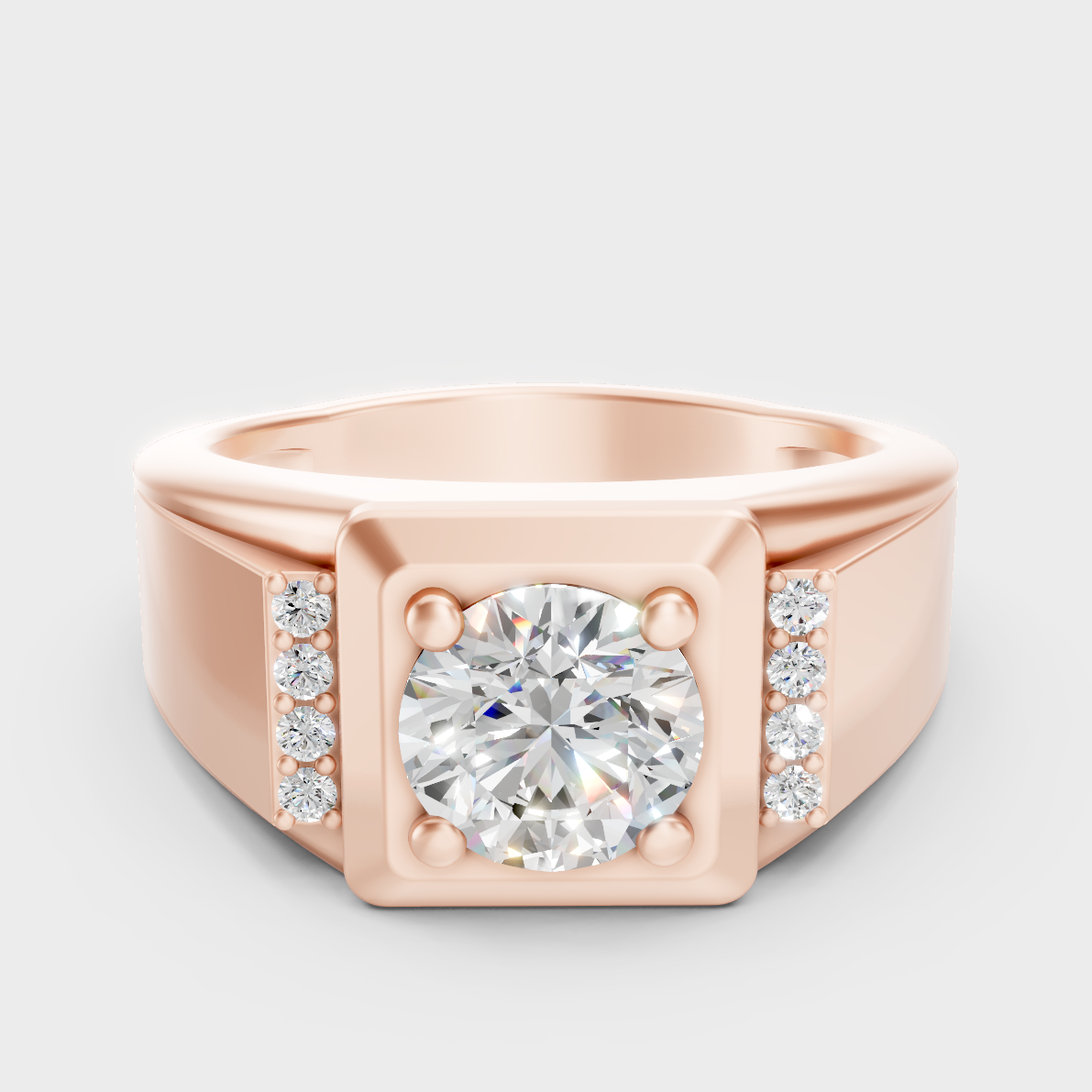
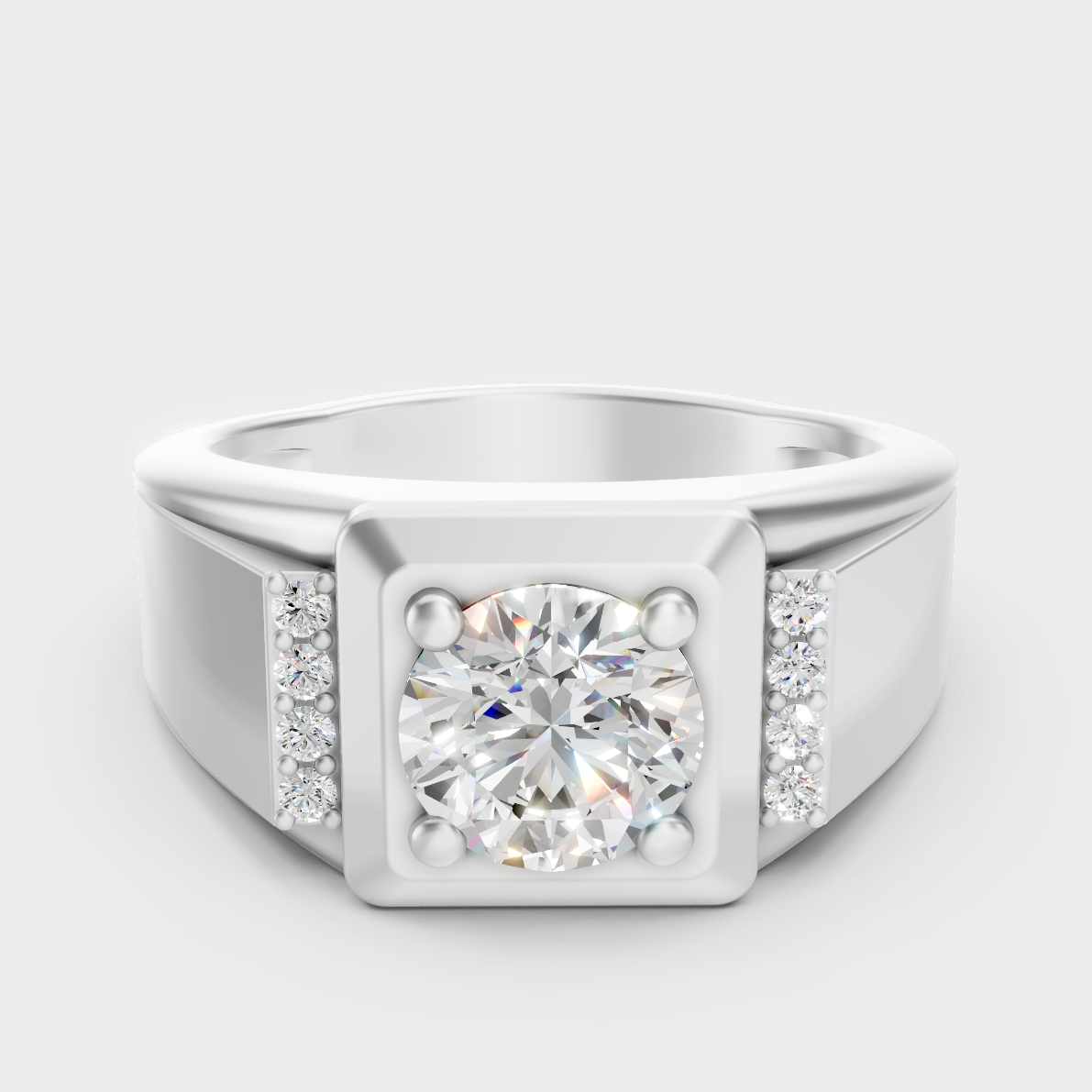
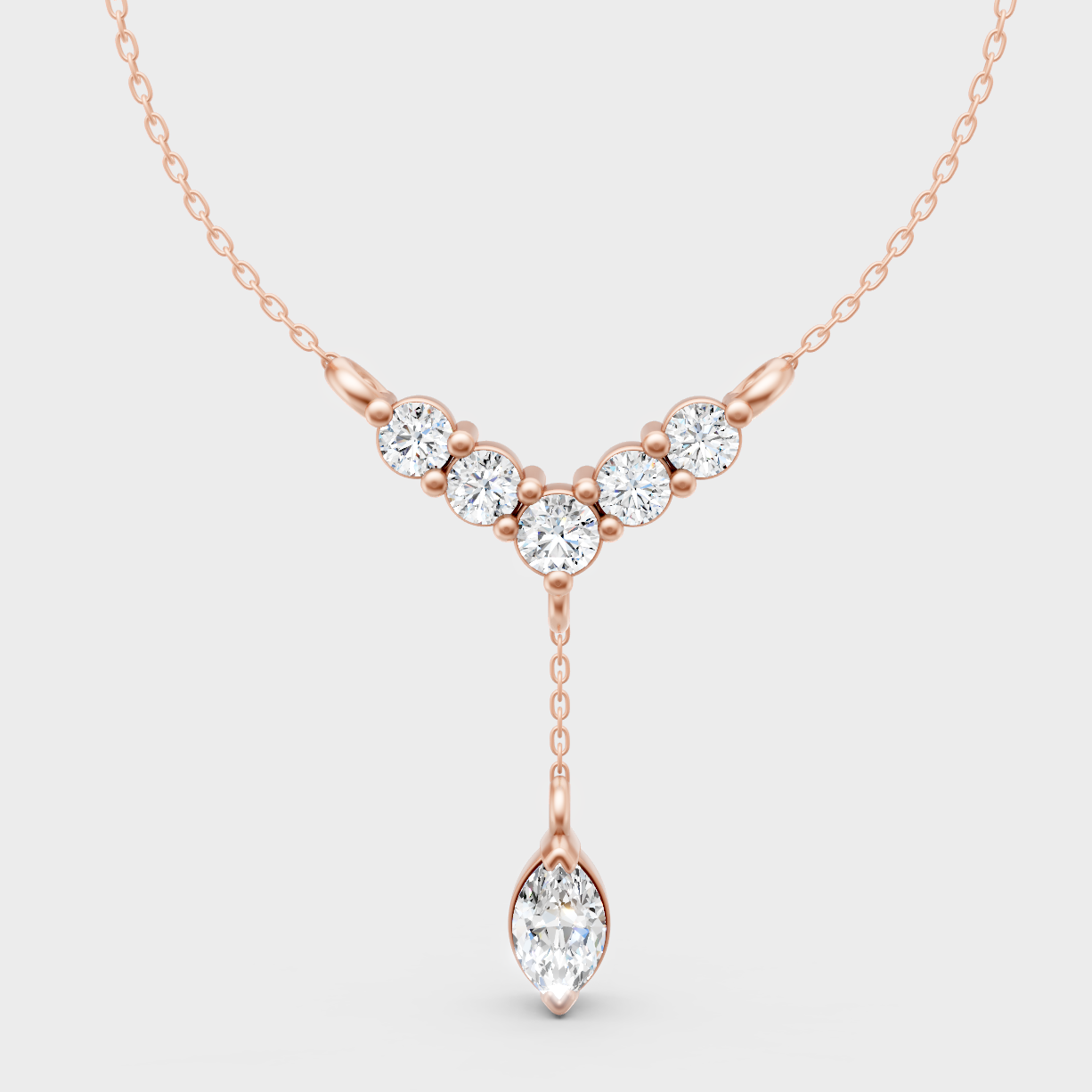
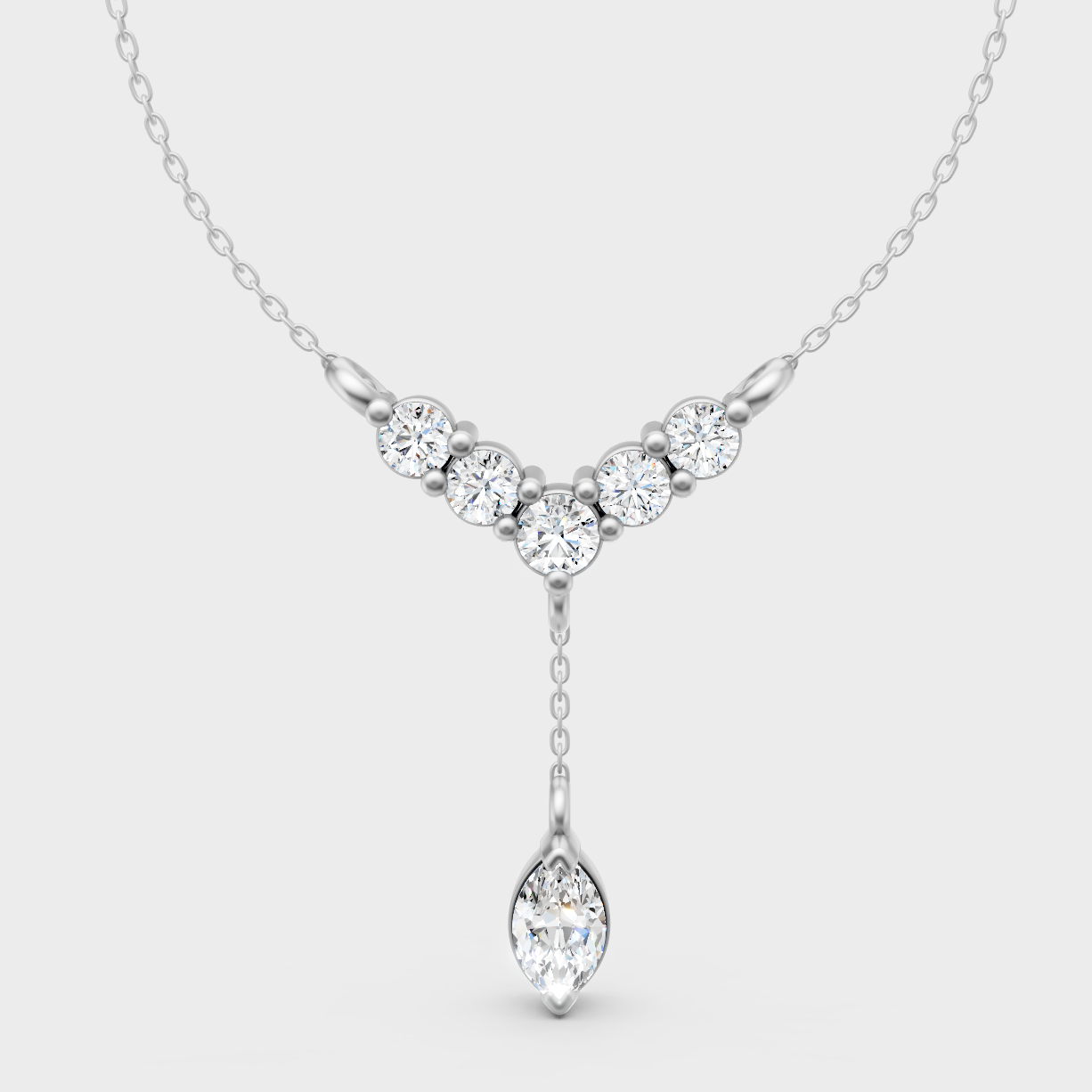


This is the question every Indian diamond buyer asks in 2026: lab-grown or natural? The answer matters because you are about to spend Rs. 50,000-Rs. 5,00,000 or more on a piece of jewellery that will last a lifetime. You deserve a completely honest comparison - not a sales pitch from either side.
Inasha Diamonds sells exclusively lab-grown diamonds. So it would be easy for us to simply tell you lab-grown is better in every way. Instead, we are going to give you the real comparison - including where natural diamonds have advantages - so you can make the right decision for your specific situation.
The Short Answer
Lab-grown and natural diamonds are chemically, physically, and optically identical. The differences are in origin, price, resale value, and environmental impact. For most Indian buyers in 2026, lab-grown diamonds represent the smarter choice for jewellery - but there are specific situations where a natural diamond makes more sense.
What Is the Actual Difference Between Lab-Grown and Natural Diamonds?
A natural diamond forms underground over billions of years under extreme heat and pressure. A lab-grown diamond is created in a scientific facility using CVD (Chemical Vapour Deposition) technology over a few weeks, depositing carbon atoms layer by layer onto a diamond seed crystal - exactly replicating the natural crystalline structure.
The result is chemically, physically, and optically the same stone. Both are pure carbon arranged in a cubic crystal structure. Both score 10 on the Mohs hardness scale - the maximum, making both equally scratch-resistant. Both refract light identically, producing the same brilliance, fire, and scintillation. Standard diamond testers cannot distinguish them because they are genuinely the same material. Only highly specialised laboratory equipment can identify a diamond's origin - and even that requires examining specific growth patterns invisible to the naked eye or any standard loupe.
Price - The Biggest Difference
This is where the comparison is most dramatic. Lab-grown diamonds cost 60-75% less than natural diamonds of identical IGI-certified specifications in India in 2026.
1 carat round brilliant F/VS1 Excellent cut IGI-certified: Natural diamond ring at Indian retail: Rs. 3,00,000-Rs. 5,00,000. Lab-grown diamond ring at Inasha Diamonds: Rs. 85,000-Rs. 1,40,000. Saving: Rs. 1,60,000-Rs. 3,60,000 on a single stone.
2 carat round brilliant F/VS1 Excellent cut IGI-certified: Natural diamond ring at Indian retail: Rs. 8,00,000-Rs. 12,00,000. Lab-grown diamond ring at Inasha Diamonds: Rs. 1,80,000-Rs. 2,80,000. Saving: Rs. 6,00,000-Rs. 9,00,000.
This price difference is not a quality signal. It reflects the supply chain, not the diamond. Lab-grown diamonds cost less to produce than mining operations that extract stones from the earth at enormous infrastructure cost. The diamond itself - its carbon structure, its 4Cs, its IGI certification - is identical.
IGI Certification - Identical
Both natural and lab-grown diamonds are certified by IGI (International Gemological Institute) using exactly the same 4Cs grading methodology - Cut, Colour, Clarity, and Carat weight. The same gemologists, the same standards, the same verification process. An IGI certificate for a lab-grown diamond carries exactly the same authority and information as an IGI certificate for a natural diamond. Both include a unique report number verifiable at report.igi.org. Both have that report number laser-inscribed on the diamond's girdle. Every diamond sold by Inasha Diamonds carries an IGI certificate.
Resale Value - Natural Diamond Has an Advantage
This is where we will be completely honest: natural diamonds have better resale value than lab-grown diamonds. Natural diamonds resell at approximately 30-50% of original retail purchase price. Lab-grown diamonds resell at approximately 20-40% of original purchase price in 2026 - and this gap may widen as lab-grown prices continue declining.
However, here is the full context. The natural diamond ring bought for Rs. 3,50,000 might resell for Rs. 1,00,000-Rs. 1,75,000. The lab-grown equivalent bought for Rs. 1,00,000 might resell for Rs. 20,000-Rs. 40,000. The lab-grown ring still cost Rs. 2,50,000 less to purchase. That Rs. 2,50,000 savings is real money - money you kept in your pocket, your investment portfolio, your home down payment, or your wedding budget. The better resale value of natural diamonds does not compensate for their dramatically higher purchase price when you account for total cost of ownership.
Neither lab-grown nor natural diamonds are strong financial investments in the traditional sense. Both depreciate significantly the moment they leave the retail store. If your goal is financial appreciation, gold and mutual funds historically outperform both. Diamonds - of any kind - are emotional and lifestyle purchases.
Environmental Impact - Lab-Grown Has a Clear Advantage
Diamond mining involves significant environmental disruption - open-pit mining, underground extraction, land displacement, and substantial energy consumption for operations and logistics. Lab-grown diamonds are created in controlled facilities using significantly lower land impact. CVD diamond growth does consume electricity - but produces no mining-related land disruption, no groundwater contamination from mining operations, and no associated habitat destruction.
For UK and USA buyers in particular, environmental considerations are a primary driver of lab-grown diamond adoption - lab-grown now accounts for over 40% of all engagement ring purchases in the UK specifically because of this factor. For Indian buyers, this consideration is growing rapidly as awareness increases.
Appearance - Identical to the Naked Eye
There is no visual difference between a lab-grown and natural diamond of identical IGI-certified specifications to the naked eye, under standard jewellery store lighting, in a photograph, or in any social setting. Both diamonds will produce the same brilliance, fire, and scintillation from the same cut quality. Both will appear identical in colour and clarity grades. Both will look the same in photographs. Your guests at the wedding, your family admiring the ring, and your jeweller with a standard loupe cannot tell the difference. This is a fact, not a marketing claim - it follows directly from the identical chemical and physical structure of both stones.
Durability - Identical
Both natural and lab-grown diamonds score 10 on the Mohs hardness scale - the maximum possible, making them the hardest naturally occurring or lab-created material known. Both are equally resistant to scratching, chipping under normal wear conditions, and fading over time. A lab-grown diamond ring will look identical in 50 years as it does today, just as a natural diamond ring would. Neither requires any special care beyond standard jewellery maintenance.
Which Should You Choose?
Choose a lab-grown diamond if: you want the most diamond you can get for your budget; you are buying for jewellery you will wear and love rather than as a financial investment; you care about environmental impact; you want an IGI-certified stone with verified 4Cs without the natural diamond premium; or your budget is Rs. 50,000-Rs. 3,00,000 and you want the best possible ring in that range.
Consider a natural diamond if: you specifically value the geological rarity and history of a mined stone as part of the sentimental meaning; you are purchasing primarily as a long-term store of value and resale is a genuine consideration; or you are buying a very large investment-grade diamond (5 carats+) where natural rarity has specific collector value.
For most Indian buyers purchasing an engagement ring, anniversary gift, or jewellery piece to wear and enjoy - a lab-grown diamond in the same specifications delivers identical beauty, identical certification, and allows you to either save significantly or buy a significantly larger, more impressive stone for the same budget.
Common Questions
Do lab-grown diamonds fade or lose sparkle over time? No. They have identical hardness and optical properties to natural diamonds. With normal care they will look identical decades from now.
Can a jeweller tell the difference? Not with standard tools. Only specialised laboratory equipment can identify origin. Standard diamond testers, loupes, and visual inspection cannot distinguish lab-grown from natural diamonds.
Are lab-grown diamonds the same as cubic zirconia or moissanite? No. Cubic zirconia is zirconium dioxide - completely different material. Moissanite is silicon carbide - also completely different. Both are simulants that mimic the look of diamonds but are not diamonds. Lab-grown diamonds are real diamonds - same carbon structure, same hardness, same IGI certification. Inasha Diamonds sells exclusively lab-grown diamonds, never simulants.
Will lab-grown diamond prices keep falling? Likely yes, gradually. CVD production technology continues improving, increasing supply. This is why resale value is lower for lab-grown - future buyers can buy new at lower prices. This does not affect the beauty or quality of the diamond you own.
Shop IGI-Certified Lab-Grown Diamond Jewellery at Inasha Diamonds
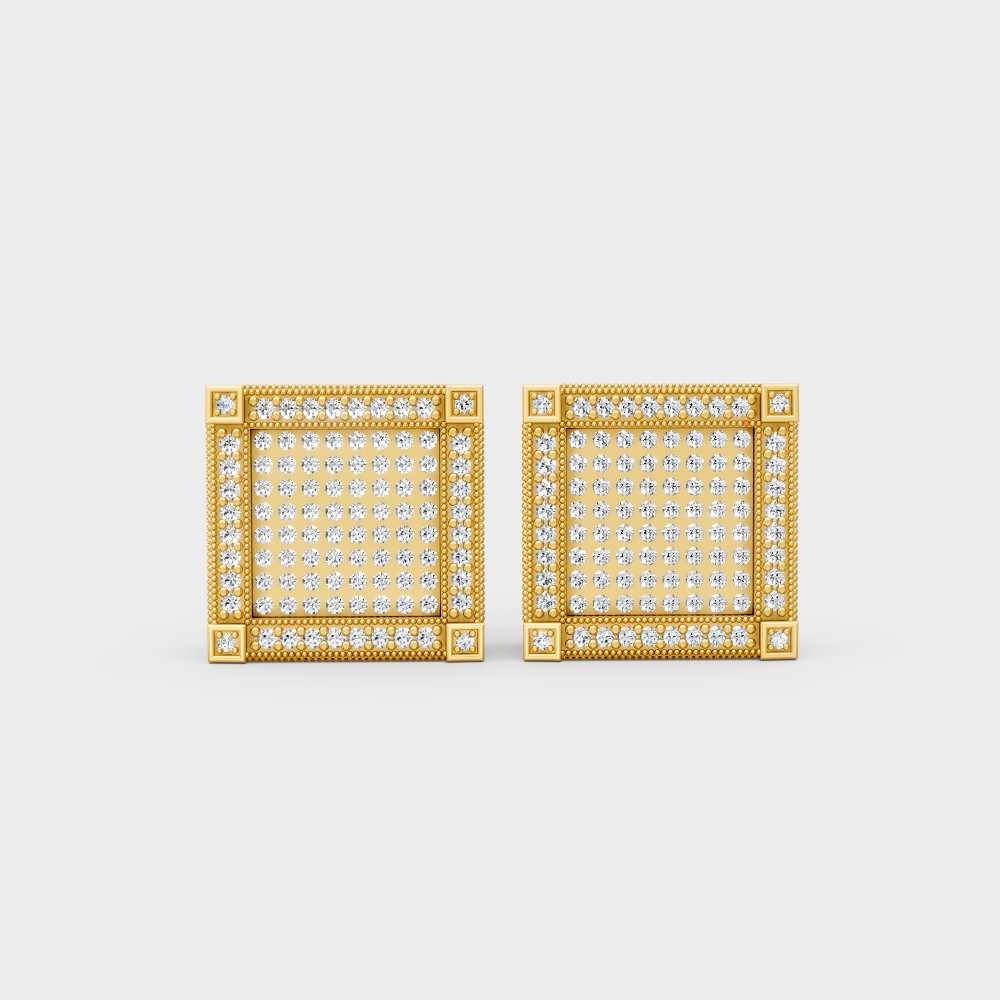
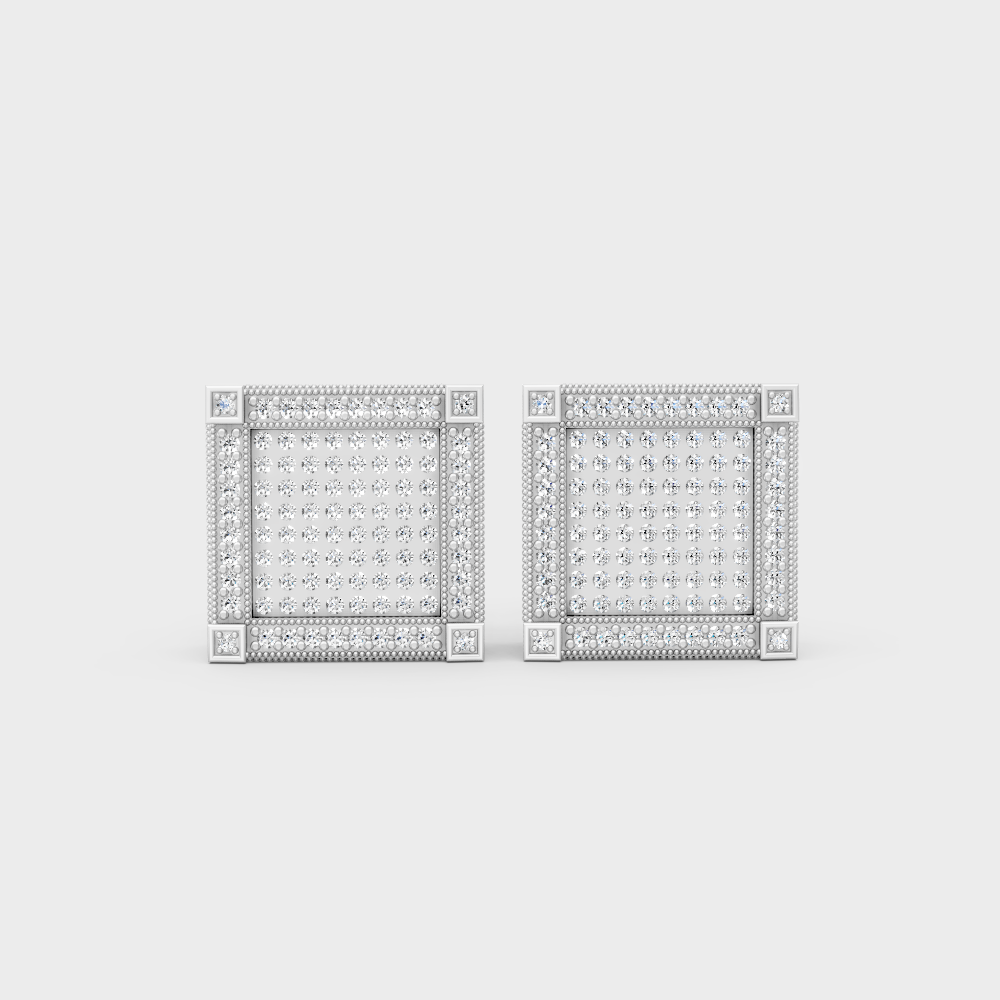
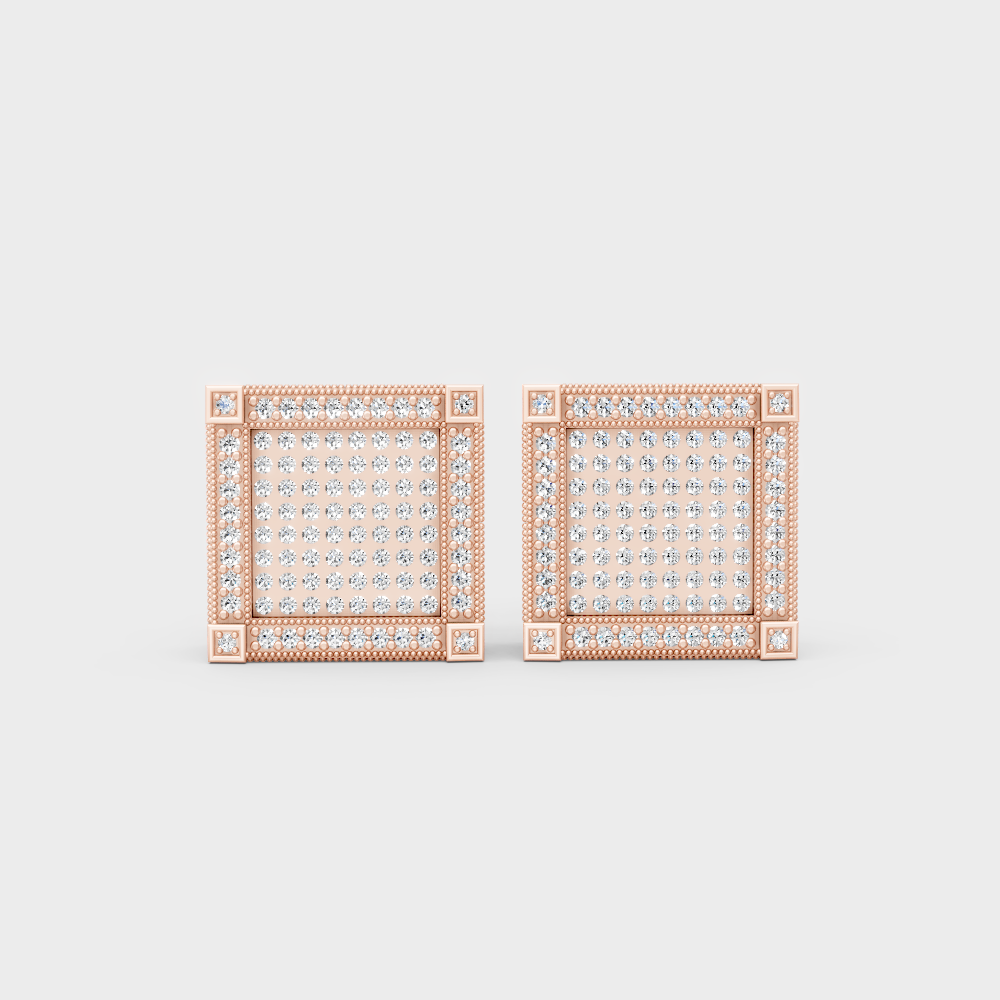
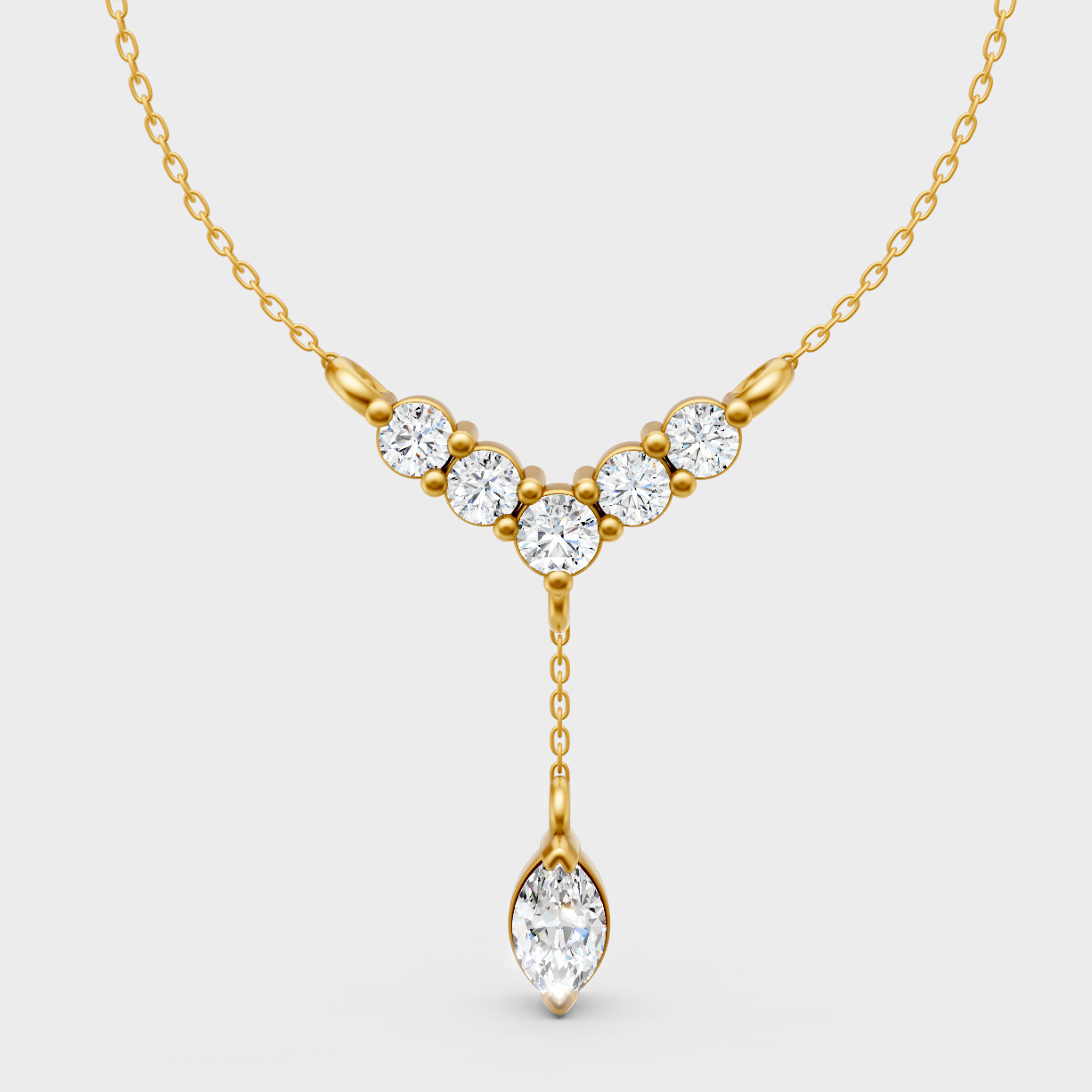
Inasha Diamonds offers IGI-certified lab-grown diamond rings from Rs. 34,000, earrings from Rs. 11,000, and pendants from Rs. 15,000, all in BIS Hallmark gold and 950 platinum. Every diamond is independently IGI-certified with a report number verifiable at report.igi.org. Free insured shipping across India in 3-5 business days. International shipping to USA, UK, UAE, Singapore, Canada and Australia via fully insured DHL and FedEx. Email: help@inashadiamonds.com | WhatsApp: +91 6003557006 | Website: inashadiamonds.com