

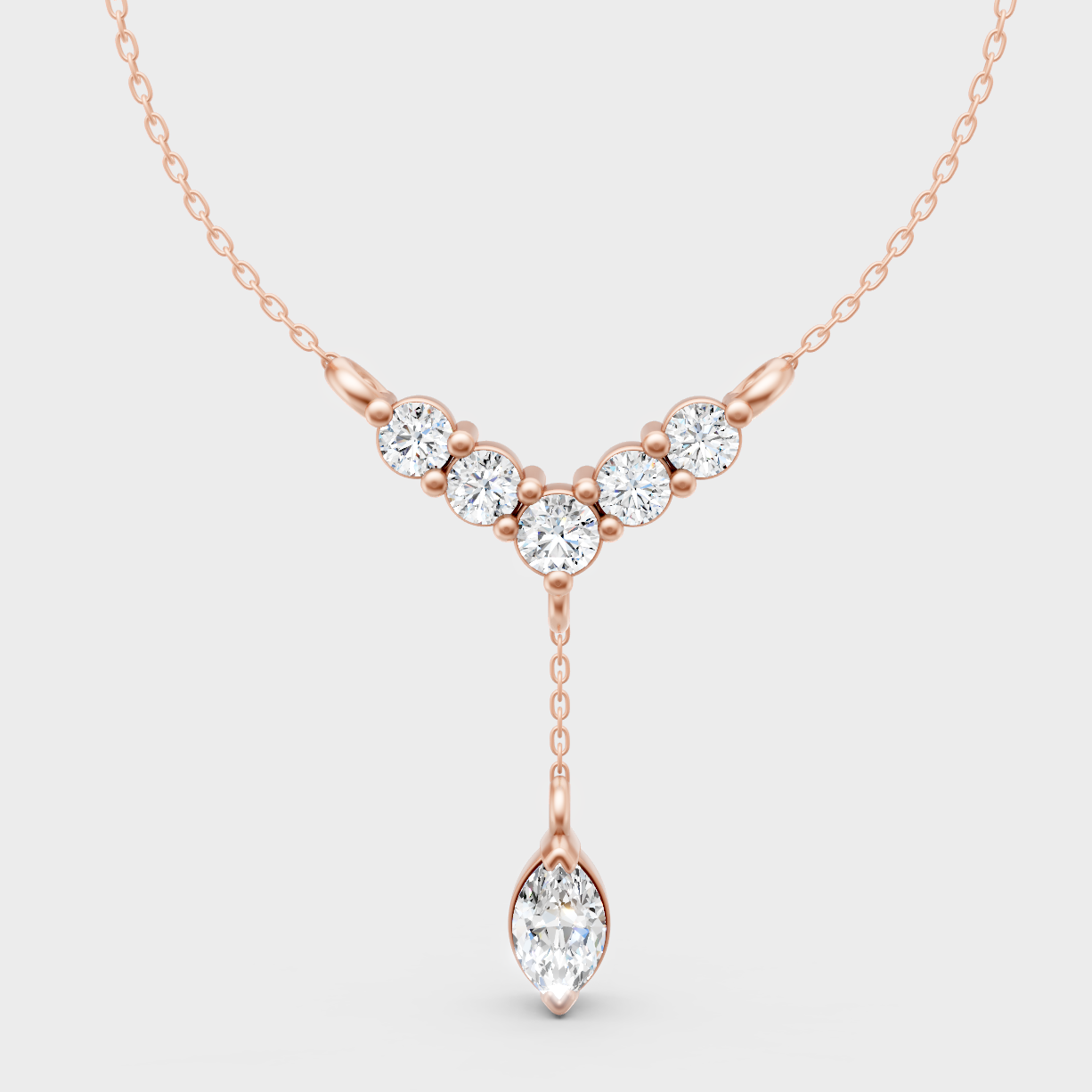
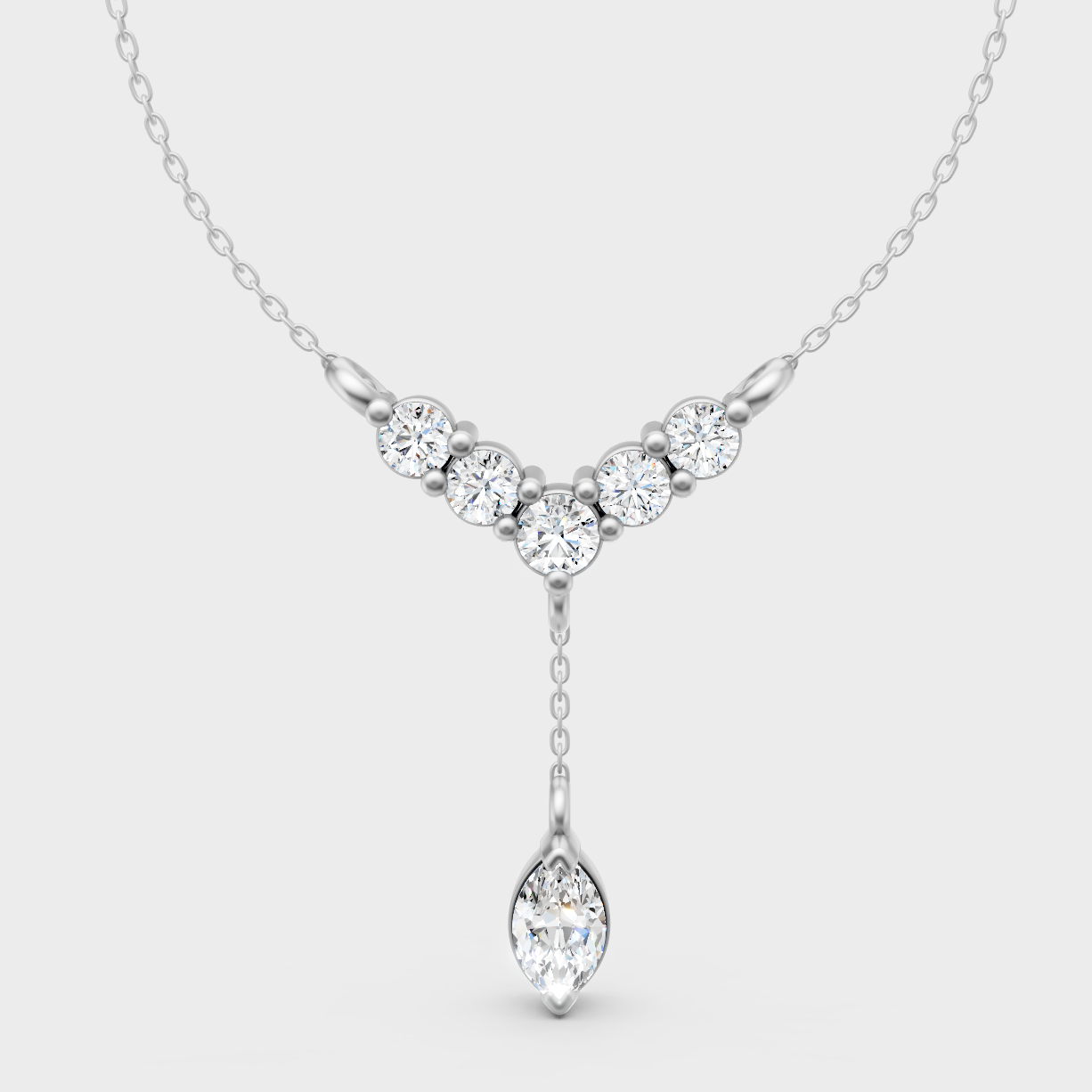


If you're shopping for diamond jewellery, you've probably run into this question already: are lab-grown diamonds actually real diamonds, or just a clever imitation? It's a fair thing to ask, and the answer is straightforward.
Yes, they're 100% real diamonds
A lab-grown diamond has the exact same chemical composition as a mined diamond: pure carbon, arranged in the same cubic crystal structure. It scores 10 on the Mohs hardness scale, exactly like a mined diamond. Standard handheld diamond testers, which check for these physical properties, cannot tell the two apart because there is nothing physically different to detect.
The only real difference is where the diamond formed. Mined diamonds crystallised underground over a few million years. Lab-grown diamonds are cultivated inside controlled facilities that recreate that same high-pressure, high-temperature environment (or a chemical vapour deposition process) over a period of weeks.
So why are they so much cheaper?
This is the part that trips people up, because a much lower price sometimes gets mistaken for lower quality. That's not what's happening here. Lab-grown diamonds cost less because the supply chain is dramatically shorter and more efficient: no exploration, no mining infrastructure, no years-long extraction process, and far fewer intermediaries between production and the customer. Depending on the 4Cs, lab-grown diamonds typically run 50–70% less than a mined diamond of comparable cut, colour, clarity, and carat weight. A 1.0 carat IGI-certified round brilliant that might cost roughly ₹3,00,000 as a mined stone is commonly available as a lab-grown diamond for around ₹85,000–₹1,20,000.
Is a lab-grown diamond a good investment?
Here's the honest answer: think of it as a luxury purchase, not a financial investment. Diamond resale value in general has never tracked well against retail price, and lab-grown diamond values specifically have declined further as production has scaled globally since 2020. If you're buying a diamond hoping it appreciates like an asset, that's not really how diamonds (lab-grown or mined) work. What you're actually paying for is the diamond itself, the craftsmanship of the setting, and the design — and those retain their value and meaning regardless of the diamond's origin.
What to check before you buy
Whichever brand you buy from, a lab-grown diamond is only as trustworthy as its paperwork. Look for:
- Independent certification from a recognised grading lab (IGI and GLI are widely used for lab-grown stones), confirming the exact 4Cs.
- A verifiable report number, laser-inscribed on the diamond's girdle, that you can look up directly on the lab's own website.
- Clear disclosure that the stone is lab-grown — reputable sellers state this plainly, since it's a legal requirement in most markets and there's no reason to hide it.
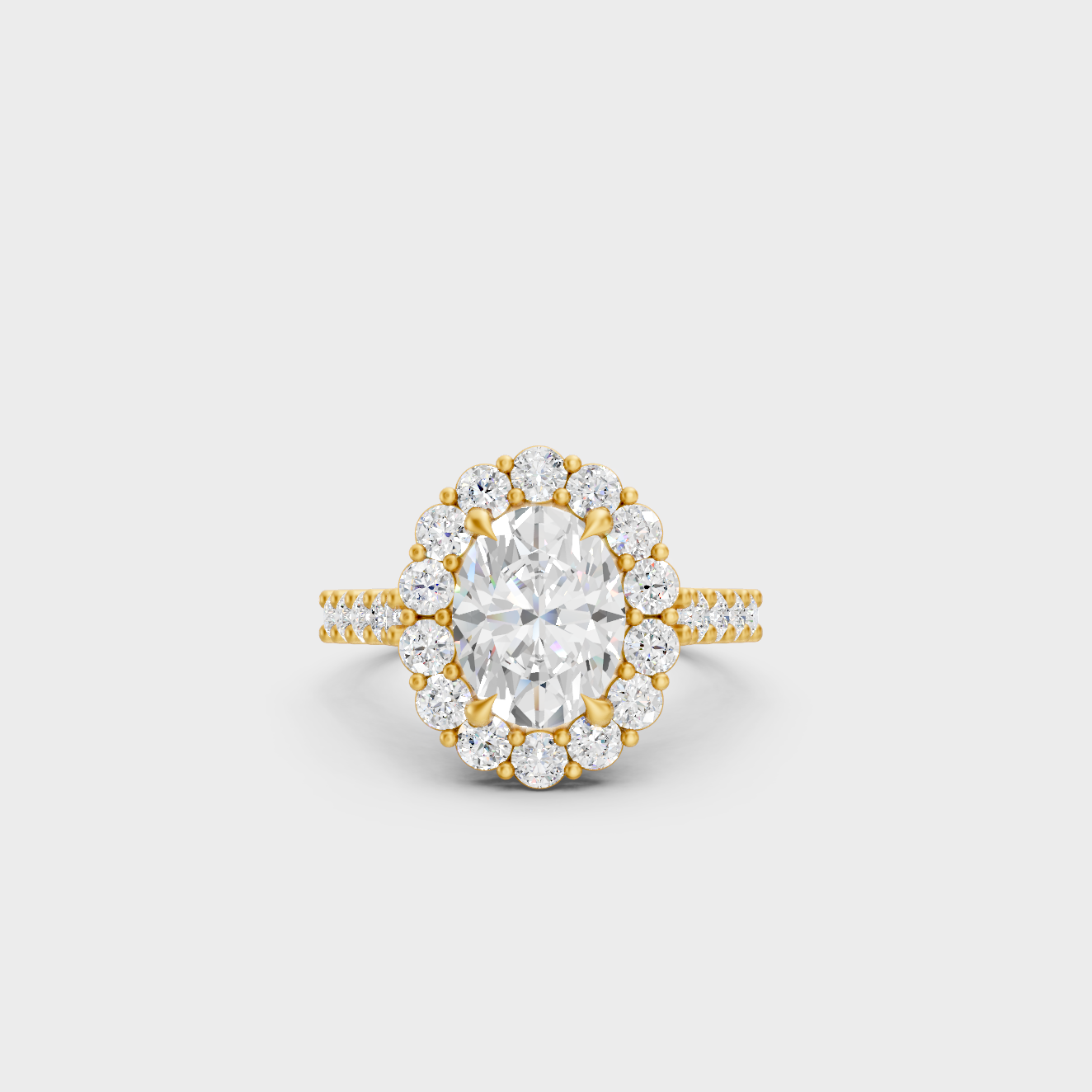
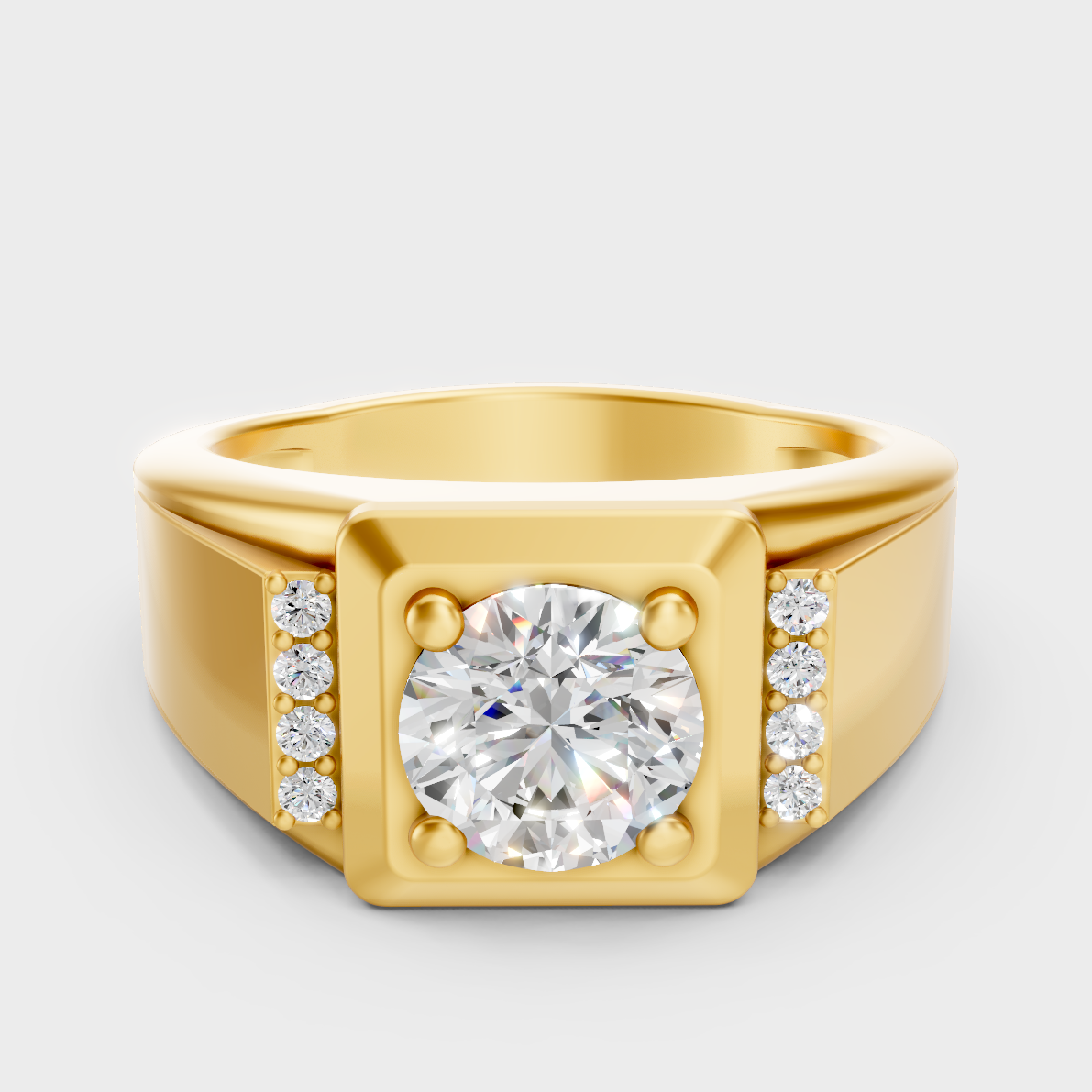
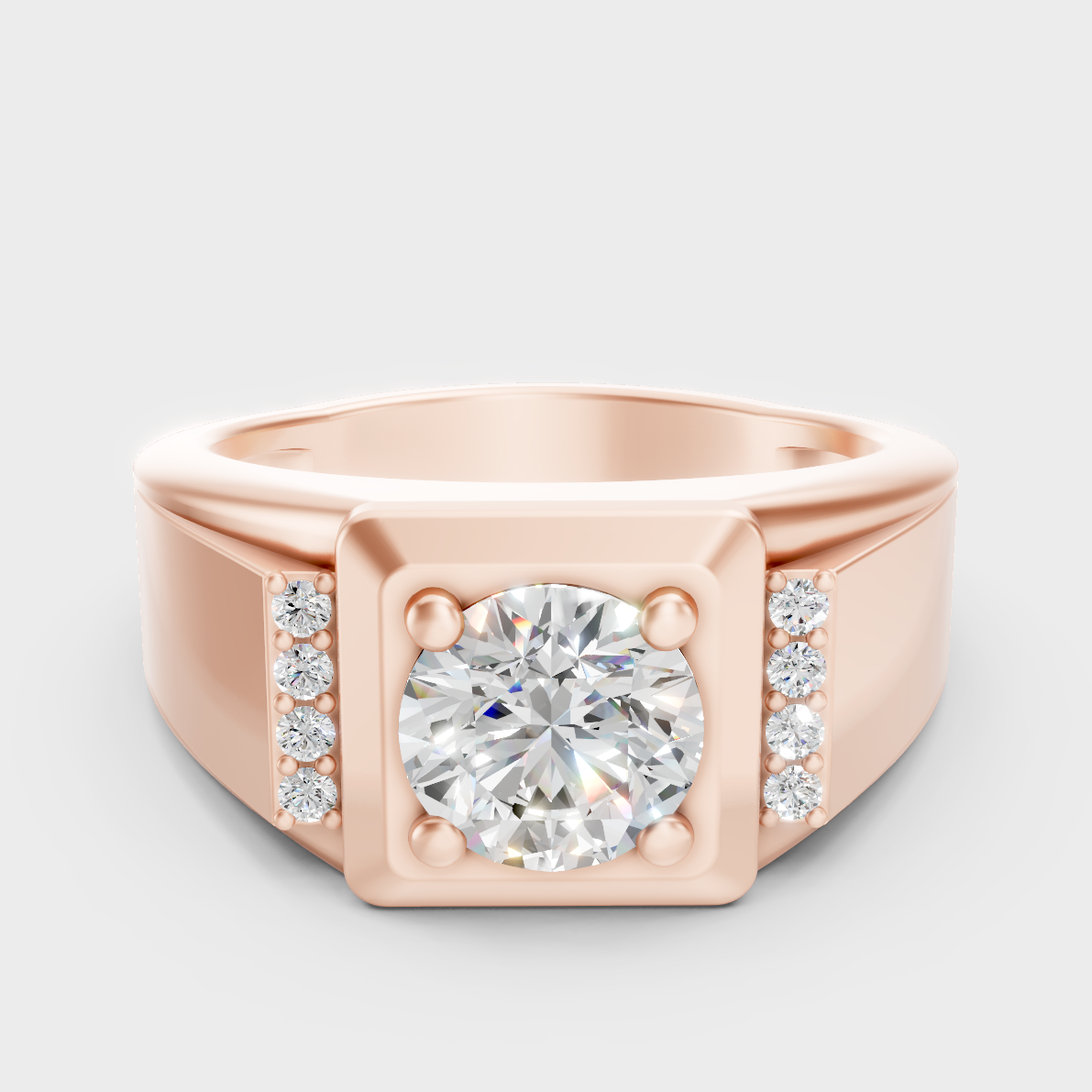
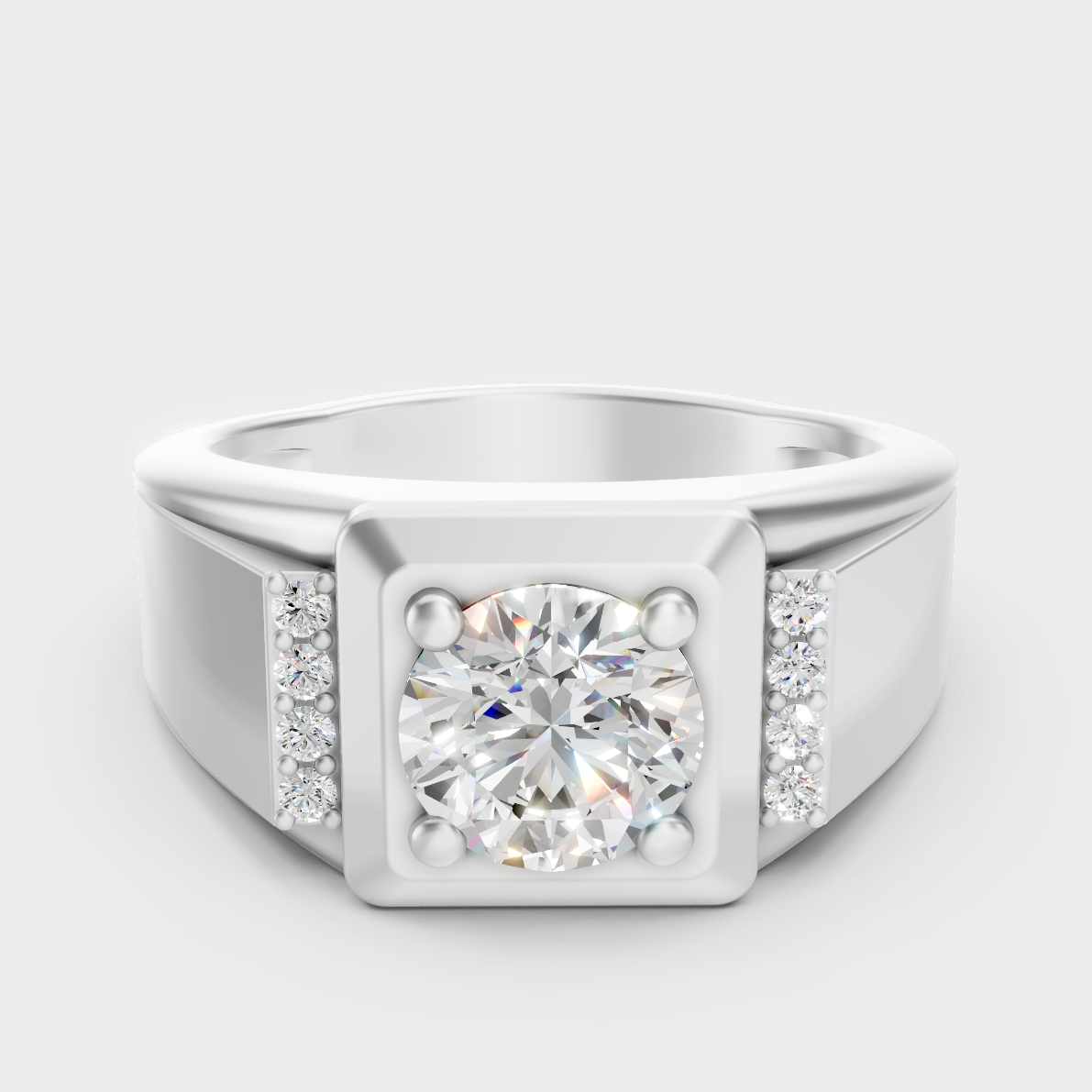
At Inasha Diamonds, every diamond we sell is IGI or GLI certified, with the report number verifiable directly at report.igi.org. You can browse our certified lab-grown diamond rings or read more on our FAQ page if you have further questions before buying.