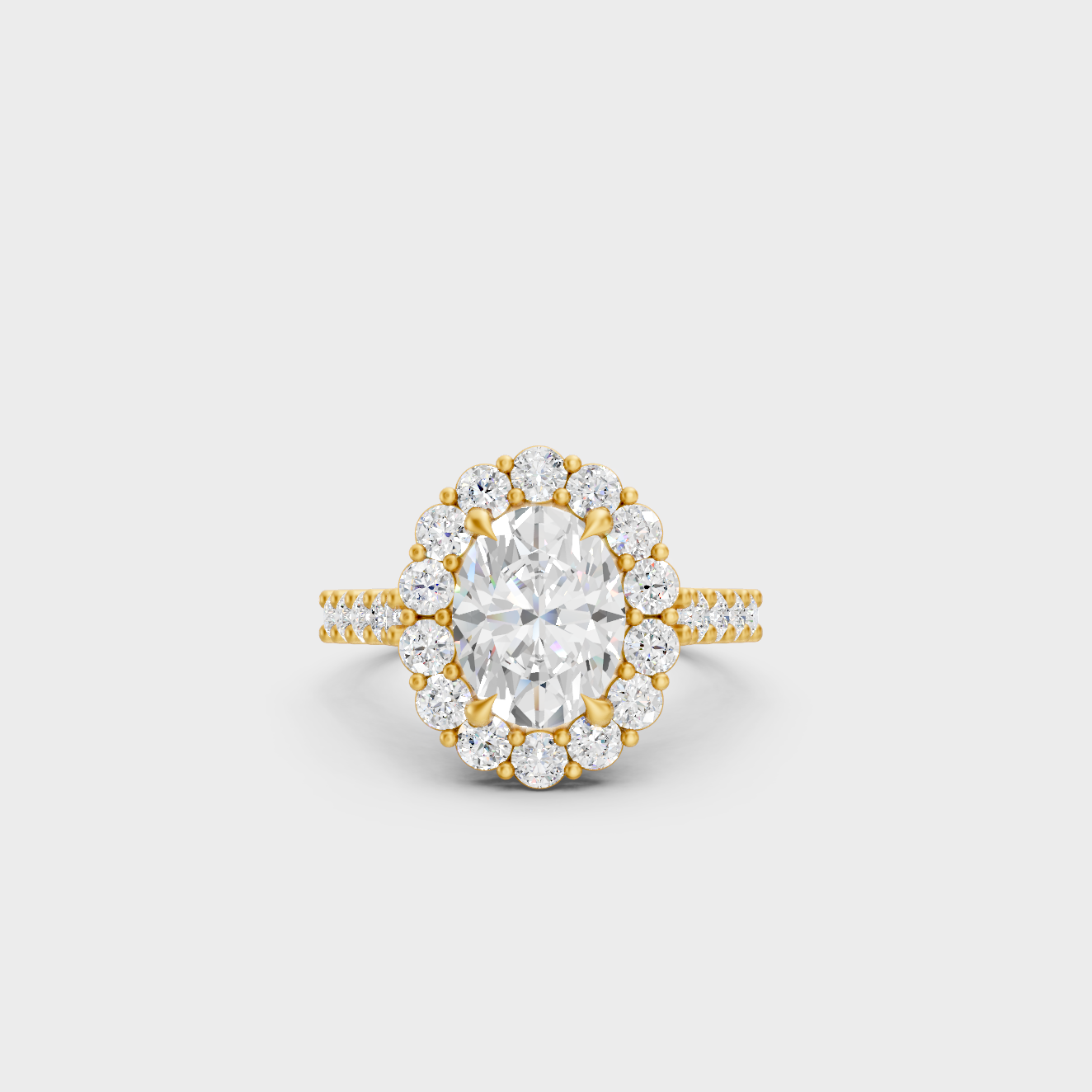


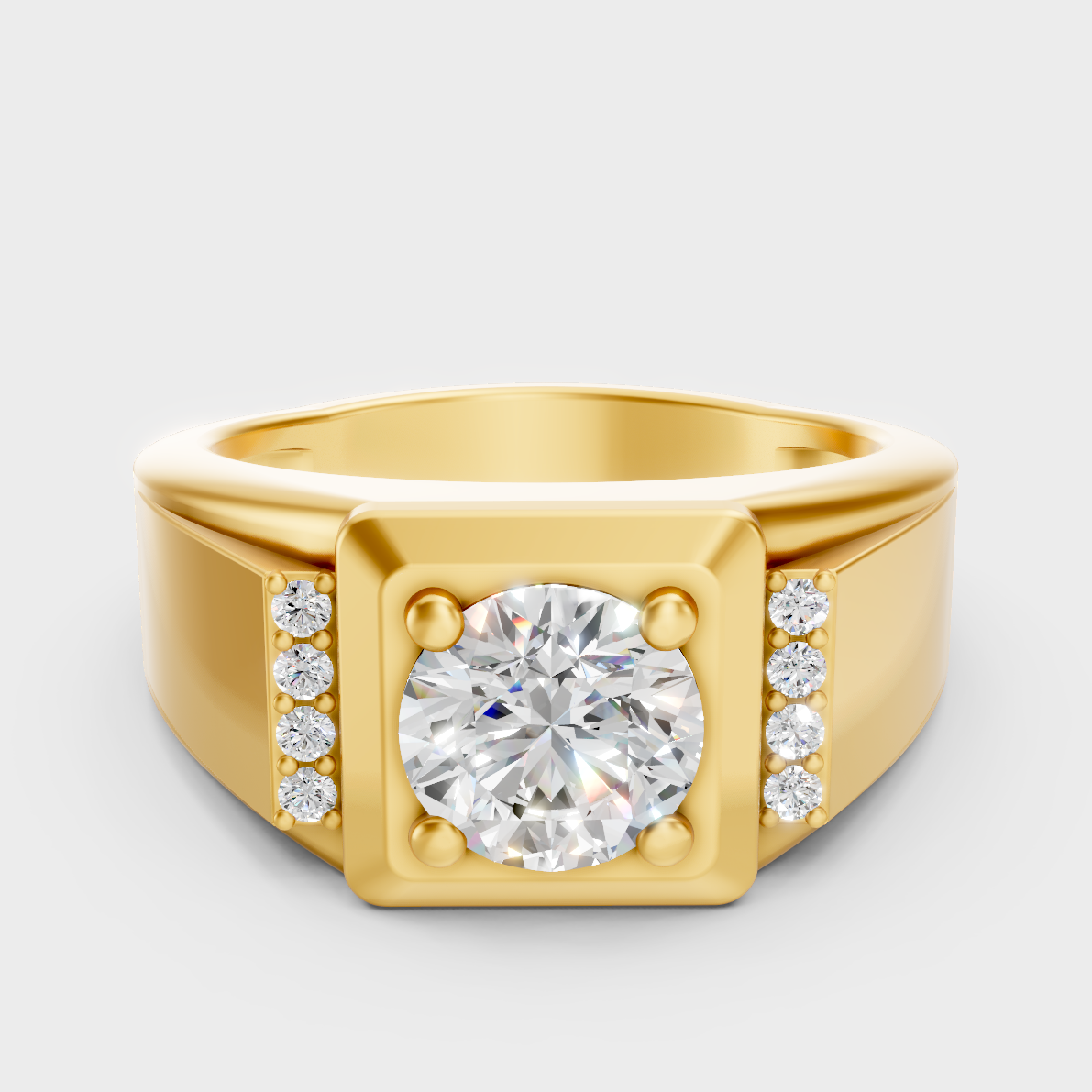
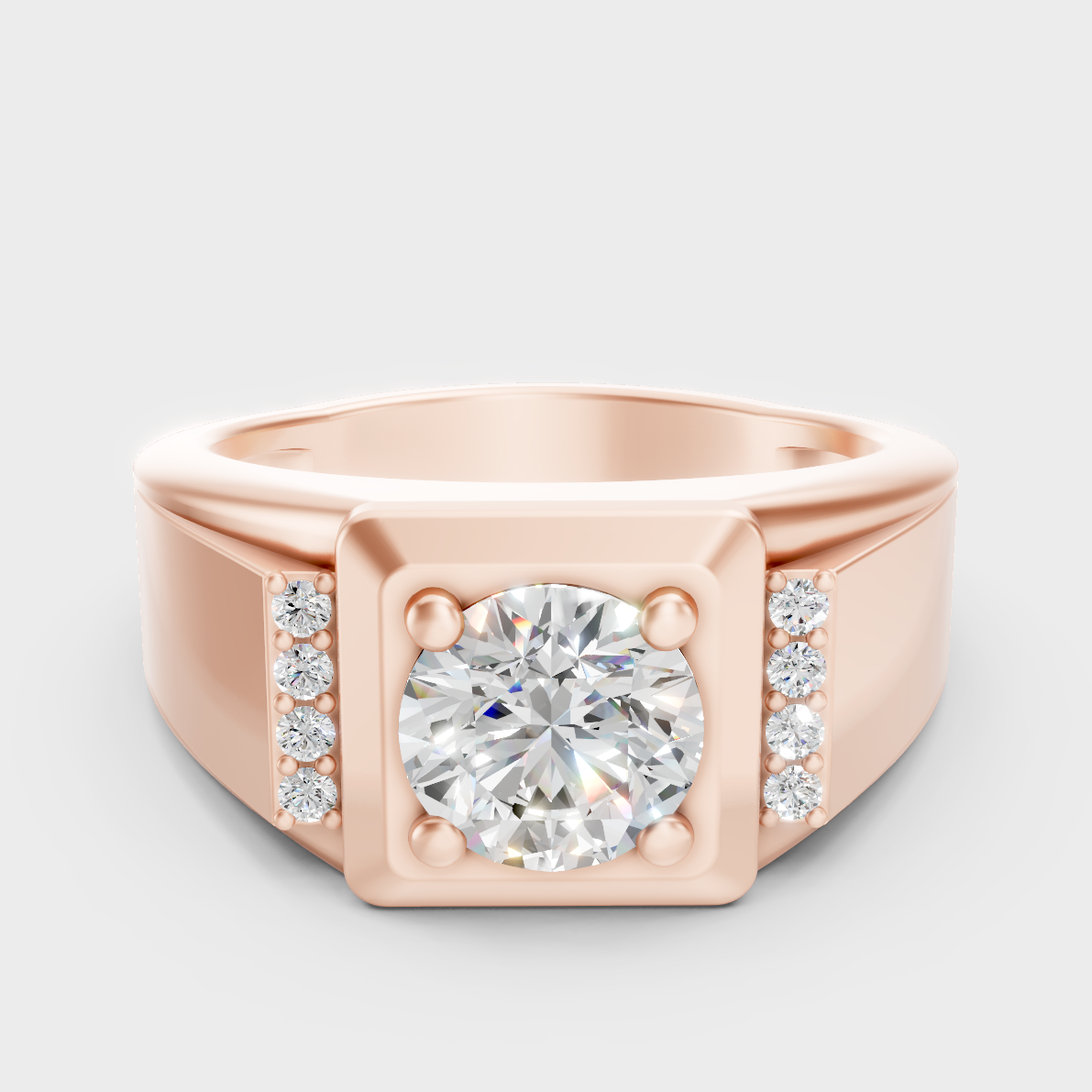
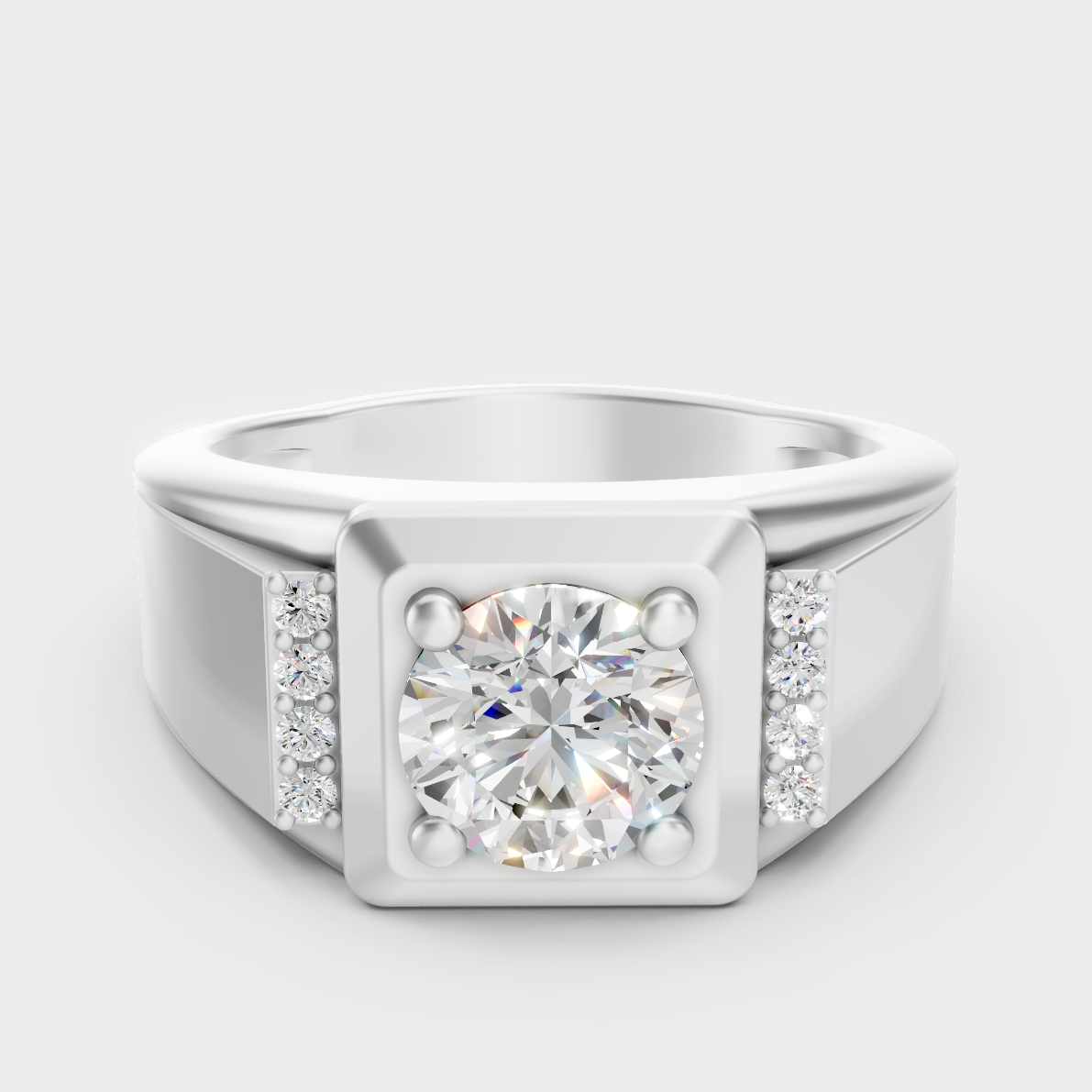
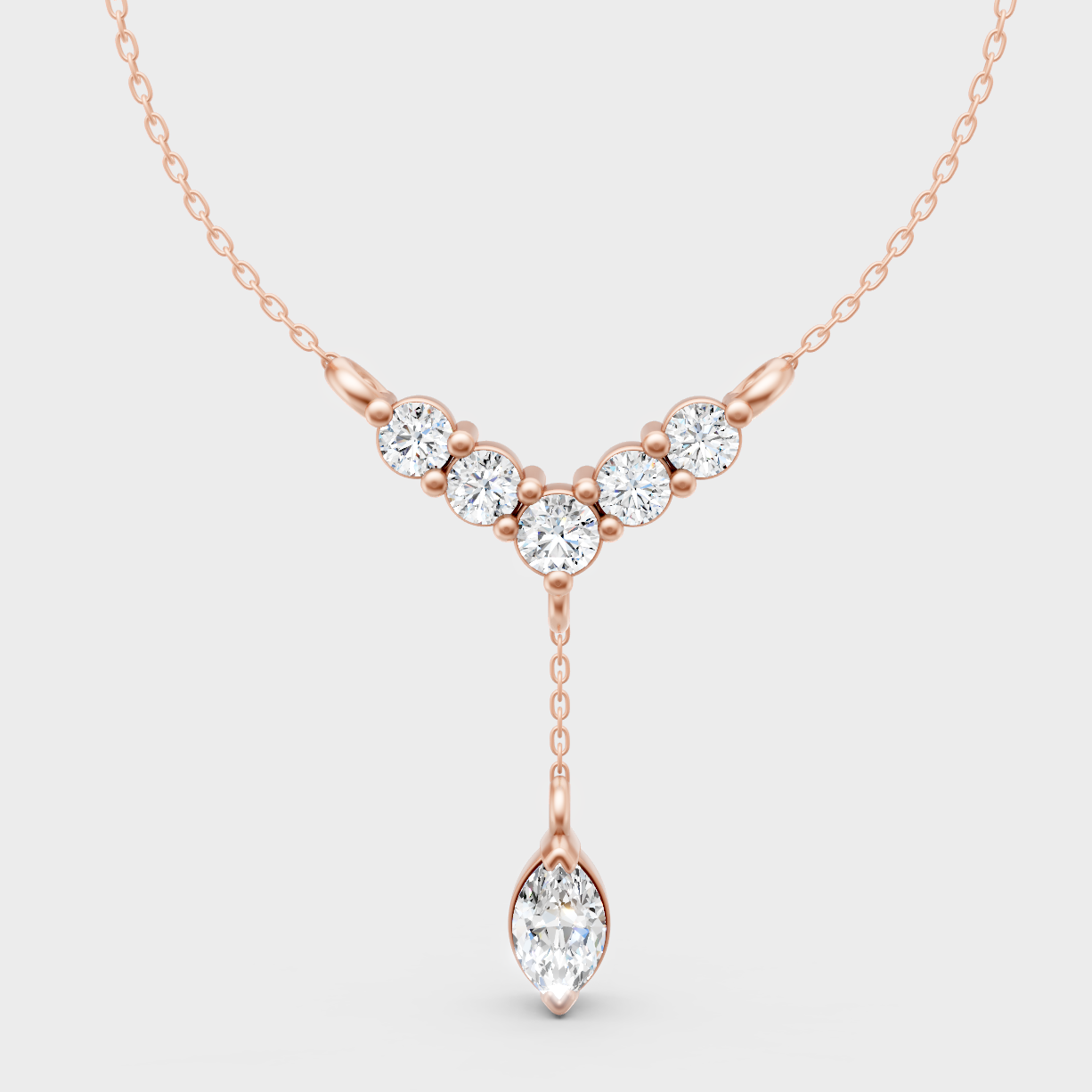
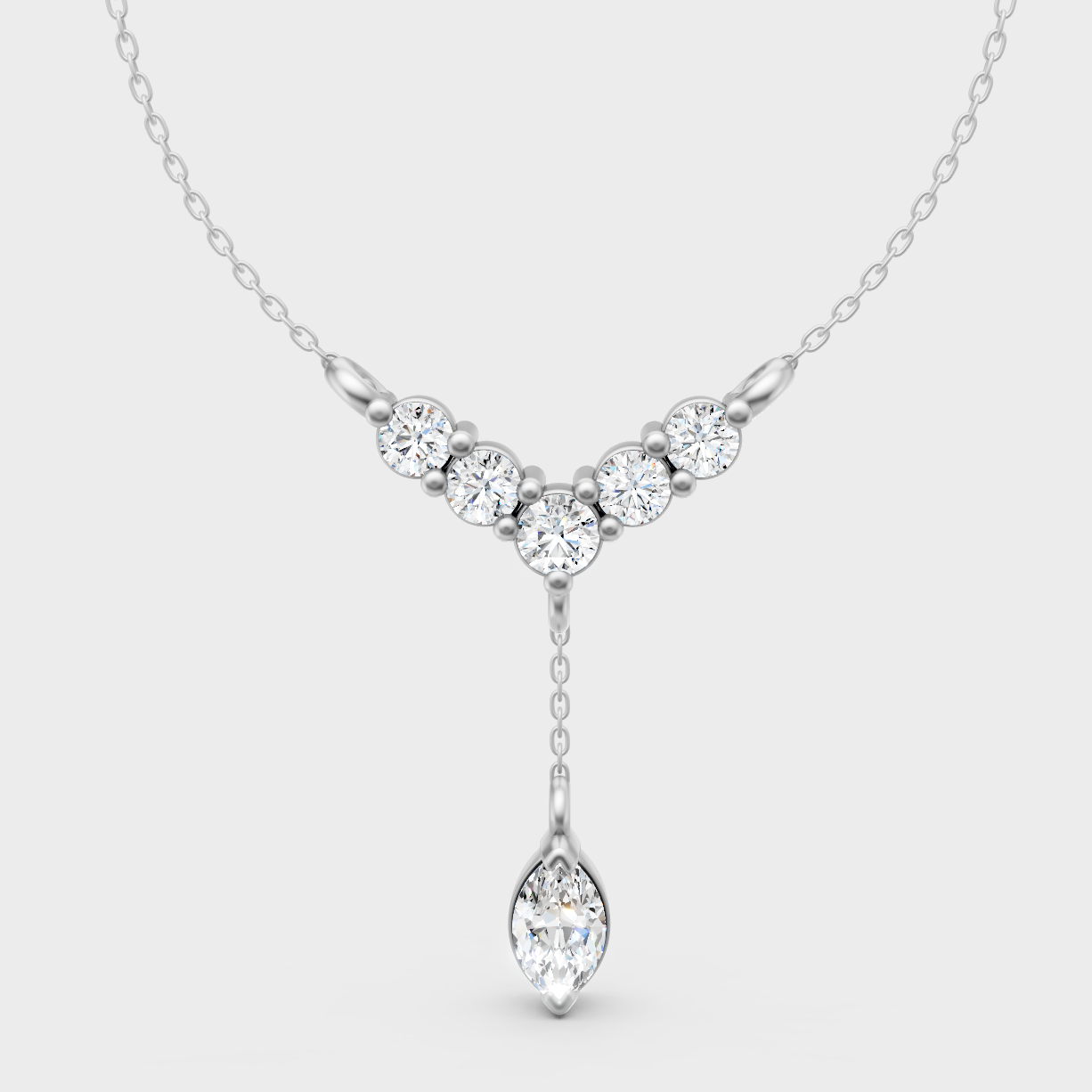


A lab-grown diamond is one of the hardest materials on earth. It will not scratch, fade, or lose its brilliance from normal daily wear. But the gold or platinum setting it sits in, and the way you handle and store the piece, significantly affect how your jewellery looks over time. With the right care habits, your IGI-certified lab-grown diamond jewellery from Inasha Diamonds will look as brilliant in 30 years as the day it arrived.
This guide covers everything - from the daily habits that protect your jewellery to the monthly cleaning routine, professional care schedule, and the specific things that damage diamond jewellery that most buyers do not know to avoid.
Why Diamond Jewellery Loses Its Sparkle - And How to Prevent It
A lab-grown diamond itself does not lose sparkle. Its refractive index - the way it bends and reflects light to create brilliance - is a permanent physical property of the carbon crystal structure. It does not diminish over time.
What does diminish sparkle is the buildup of substances on the diamond's surface and beneath the setting. Skin oils, hand cream, soap residue, cooking oils, hairspray, perfume, and dust all accumulate on diamond surfaces and in the gaps between the diamond and its setting. This film blocks light from entering the diamond, dramatically reducing its brilliance. A diamond covered in a thin film of skin oil and soap residue can look dull and lifeless compared to the same diamond freshly cleaned.
The good news: this film is completely removable with simple at-home cleaning. A well-maintained diamond ring cleaned monthly looks as brilliant as a new piece indefinitely.
Daily Habits That Protect Your Diamond Jewellery
Remove before applying: Take off your diamond ring or earrings before applying hand cream, body lotion, sunscreen, hairspray, or perfume. These products leave a residue film on diamond surfaces that dulls sparkle quickly. Put your jewellery on last when getting ready - after all products have been applied and absorbed.
Remove before swimming: Chlorine in swimming pools and salt in seawater both attack gold alloys over time, particularly white gold's rhodium plating. Prolonged chlorine exposure can cause the gold alloy to become brittle and discolour. Always remove diamond jewellery before entering a pool, sea, or hot tub.
Remove before heavy exercise: Gym equipment, weights, and high-impact activity create friction and impact risks for prong-set diamond jewellery. A prong that catches on gym equipment can bend, potentially loosening the diamond. Sweat also accelerates tarnishing of gold alloys. Remove rings and bracelets before gym sessions.
Remove before cooking and cleaning: Bleach, chlorine-based cleaning products, and harsh kitchen chemicals damage gold alloys. Cooking also creates grease and food particle buildup in jewellery settings that is harder to clean than regular skin oil film.
Remove before sleeping: This applies particularly to rings, bracelets, and necklaces with pendants. Sleeping in jewellery creates prolonged contact friction, catches on bedding, and increases the risk of prong damage. Store your pieces safely every night.
Monthly At-Home Cleaning Routine
This simple process takes 5 minutes and keeps your diamonds sparkling between professional cleans.
Step 1 - Prepare your cleaning solution: Fill a small bowl with warm water (not hot - avoid thermal shock, especially for pieces with multiple stones). Add two to three drops of mild dish soap - washing-up liquid works perfectly. Standard dish soap is designed to cut through grease and oil, making it ideal for dissolving the skin oil and product residue that dulls diamond surfaces. Do not use toothpaste, baking soda, vinegar, or any abrasive cleaner.
Step 2 - Soak for 20-30 minutes: Place your diamond jewellery in the soapy water and allow to soak. This loosens the accumulated residue without requiring any scrubbing that might damage the setting. For heavily soiled pieces or rings worn daily, soak for the full 30 minutes.
Step 3 - Gentle scrub: Using a soft toothbrush - a baby toothbrush is ideal for its extra-soft bristles - gently scrub the diamond and the areas around the setting, particularly the underside of the diamond where the most residue accumulates. The underside of a prong-set diamond (the pavilion face that sits inside the setting) collects the most skin oil and is the most important area to clean. Scrub gently in small circular motions. Do not scrub the gold band aggressively.
Step 4 - Rinse thoroughly: Rinse the piece under clean, warm running water. Ensure all soap residue is completely rinsed away - soap residue left on the diamond will create the same dullness as skin oil. Hold small pieces over a closed drain or place a cloth over the drain to prevent accidental loss.
Step 5 - Dry carefully: Pat dry with a clean, soft, lint-free cloth. A microfibre cloth is ideal. Do not use paper towels - their texture can scratch gold surfaces. Allow to air dry completely before storing or wearing.
White Gold Specific Care - Rhodium Replating
White gold is yellow gold alloyed with white metals and plated with rhodium - a platinum-group metal that gives white gold its bright white colour and shine. Rhodium plating is not permanent. It wears away gradually with daily wear, typically over 12-36 months depending on how the piece is worn and how frequently it contacts abrasive surfaces.
When the rhodium plating wears down, the yellowish tone of the underlying gold alloy begins to show through, making white gold look dull or slightly yellowish. This is completely normal and expected - not a fault of the piece. The solution is professional rhodium replating, which restores the bright white surface.
How often: For a ring worn daily, rhodium replating is typically needed every 12-24 months. For earrings or pendants, every 2-4 years. For pieces worn occasionally, every 4-6 years.
Cost: Rhodium replating at a professional jeweller costs approximately Rs. 500-Rs. 2,000 depending on the piece size and the jeweller. It is a quick, affordable maintenance procedure that keeps white gold looking new.
Note: Yellow gold, rose gold, and 950 platinum do not require replating. Platinum naturally maintains its colour without plating and is the lowest-maintenance metal choice for this reason.
Professional Care Schedule
At-home cleaning maintains sparkle but cannot replace professional servicing. Schedule a professional inspection and clean every 12-18 months for rings worn daily, and every 24-36 months for earrings, pendants, and occasionally-worn pieces.
What a professional service includes: Ultrasonic cleaning - using high-frequency sound waves to loosen embedded dirt from all areas of the setting that a toothbrush cannot reach. Prong inspection - each prong holding your diamond is checked for bending, wear, or loosening. A bent or worn prong is the most common cause of diamond loss - catching it early prevents an expensive repair becoming a catastrophic loss. Setting check - the overall structural integrity of the setting is assessed. Steam cleaning - a final high-pressure steam clean for maximum brilliance. Rhodium replating if needed for white gold pieces.
How to Store Diamond Jewellery
Diamond is harder than almost every other material it will contact in storage - but diamond can scratch other diamonds, and softer gemstones and gold surfaces can scratch each other. Never store diamond jewellery in a pile where pieces can rub against each other.
Store each piece separately in its own soft pouch or a lined jewellery box with individual compartments. The Inasha Diamonds premium packaging box includes individual compartments and is ideal for ongoing storage. For travel, a fabric jewellery roll with individual pockets protects each piece from contact with others.
Store away from direct sunlight and extreme temperature changes. While the diamond itself is unaffected by temperature variation, sudden thermal extremes can affect adhesives used in some settings and the integrity of enamel on gold surfaces.
What to Absolutely Avoid
Ultrasonic cleaners at home: Professional-grade ultrasonic cleaners are safe when used by trained jewellers who first inspect the setting for loose prongs. Home ultrasonic cleaners used without a prong inspection first can shake loose a diamond that has a slightly worn prong - causing it to fall from the setting and be lost. Do not use home ultrasonic cleaners without a professional prong inspection first.
Toothpaste: A common home cleaning suggestion, toothpaste is mildly abrasive. It can scratch the polish on gold settings and will not clean diamonds as effectively as dish soap. Avoid.
Bleach and chlorine-based products: These attack the copper alloy in gold, causing discolouration and eventual brittleness. Never wear gold jewellery when using bleach-based cleaning products.
Hand sanitiser: The high alcohol content in hand sanitiser can damage the finish on gold over time and cloud some gemstones. Remove rings before applying hand sanitiser when possible, or rinse the ring thoroughly with water after the sanitiser has dried on your hands.
Abrasive cloths: Use only soft lint-free cloths. Paper towels, rough fabrics, and standard cloths can create fine scratches on polished gold surfaces.
When to Get Your Prongs Checked Urgently
If you feel your ring catching on fabric or hair more than usual, have your prongs checked immediately. This catching sensation typically indicates a bent or worn prong. A bent prong inspected promptly can be repaired for a small fee. A diamond lost because a worn prong was ignored cannot be replaced by any insurance or warranty.
Inasha Diamonds offers a 6-month warranty on craftsmanship and a lifetime service commitment on all pieces. Contact help@inashadiamonds.com for service enquiries from any location.
A Quick Reference Card
Daily: Remove before hand cream, swimming, gym, cooking, sleeping. Monthly: 30-minute warm soapy water soak, soft brush, thorough rinse, dry with lint-free cloth. Annually: Professional inspection and clean, prong check, rhodium replate if white gold. Storage: Each piece separately in a soft pouch or lined compartment. Avoid: Toothpaste, bleach, chlorine, home ultrasonic without prong check, abrasive cloths, hand sanitiser on gold.
For any care questions, professional servicing recommendations, or warranty claims, contact Inasha Diamonds at help@inashadiamonds.com or WhatsApp +91 6003557006. We serve buyers across India, USA, UK, UAE, Singapore, Canada and Australia.