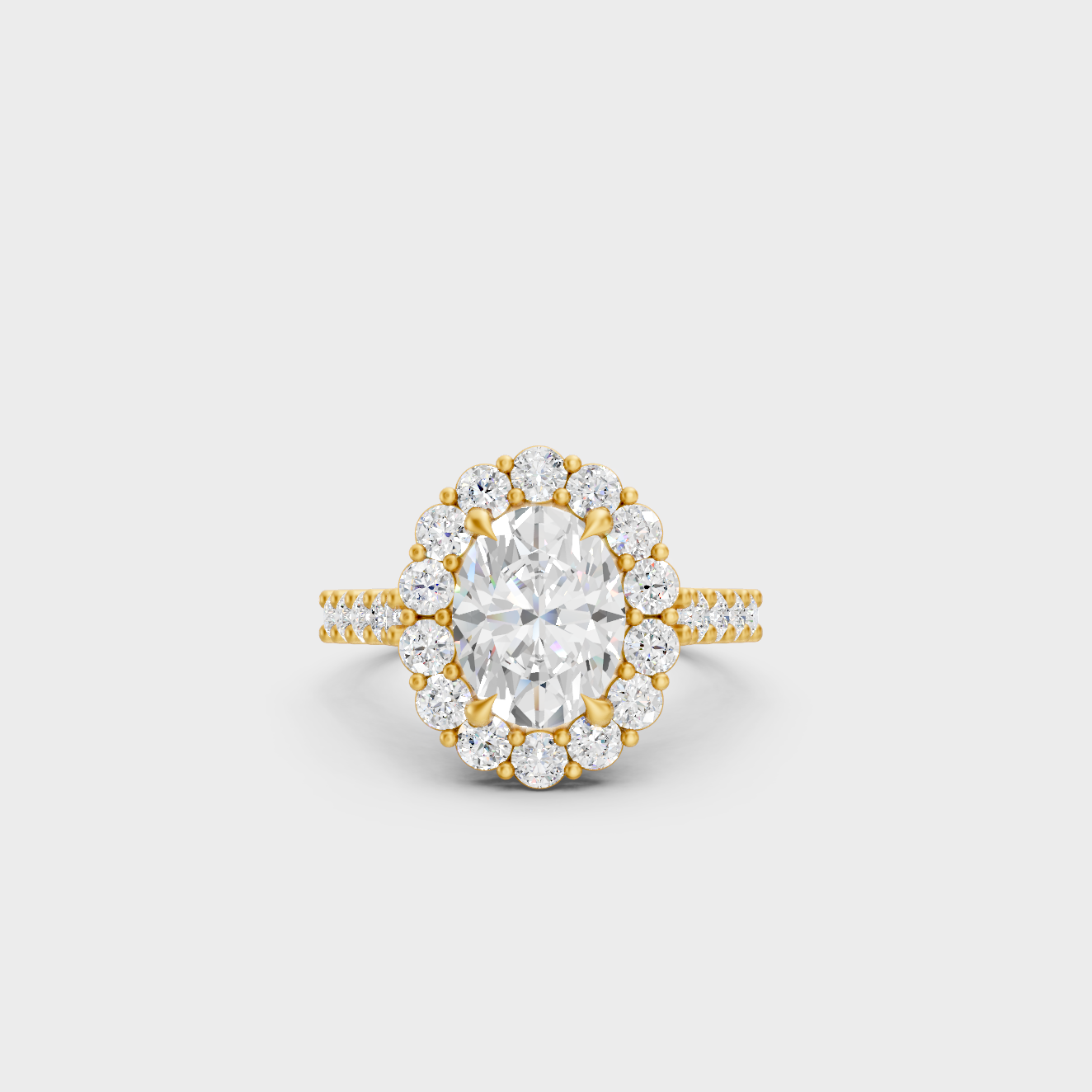


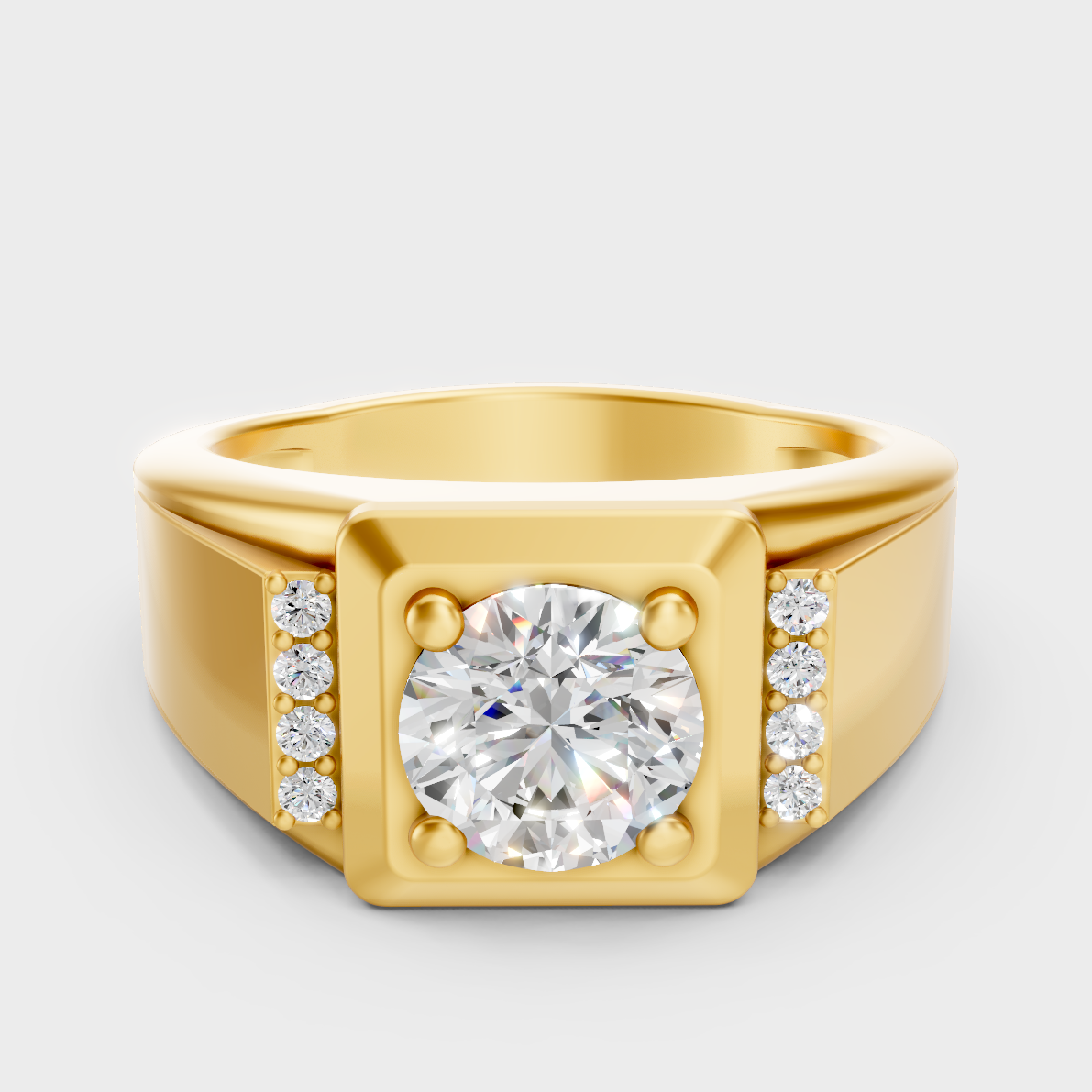
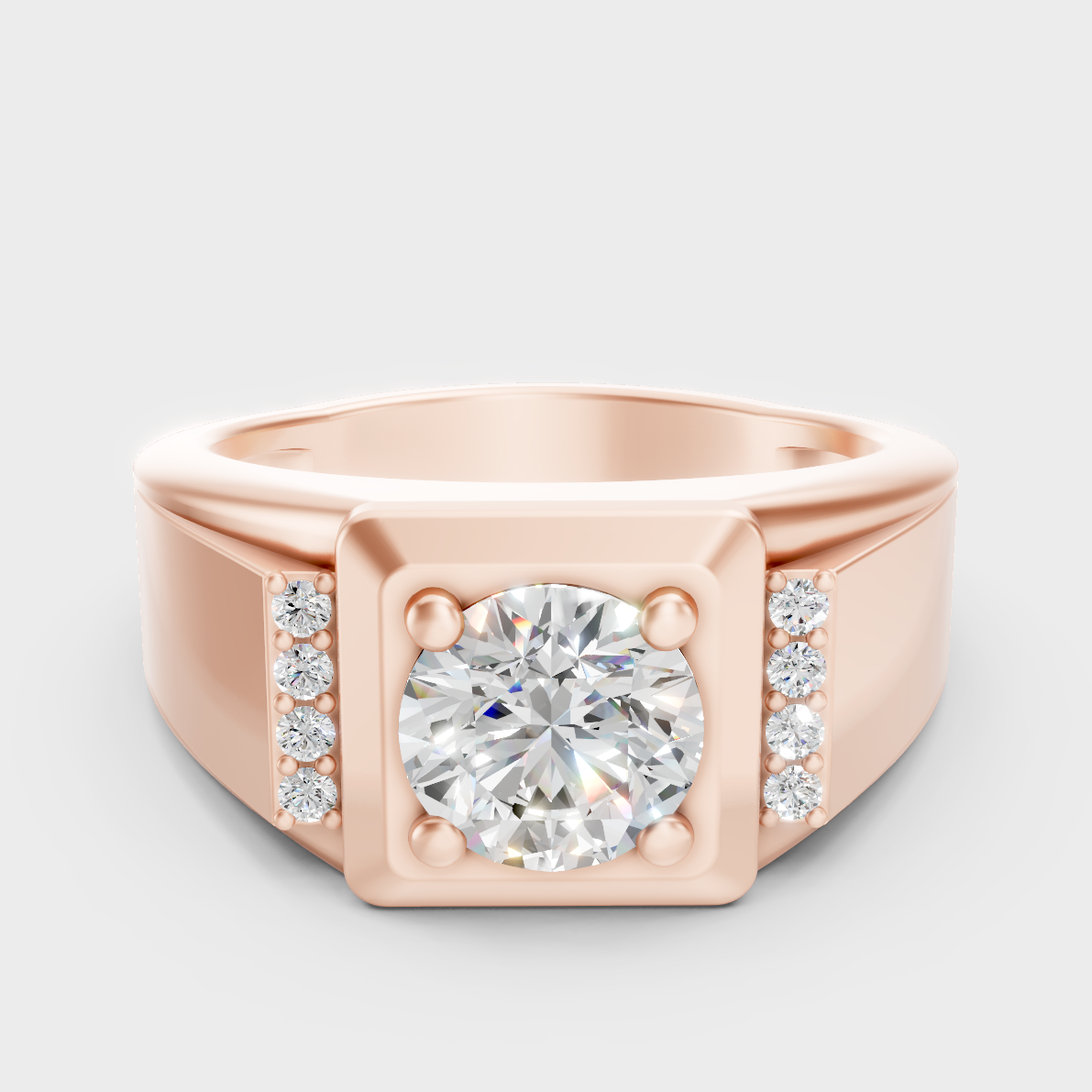
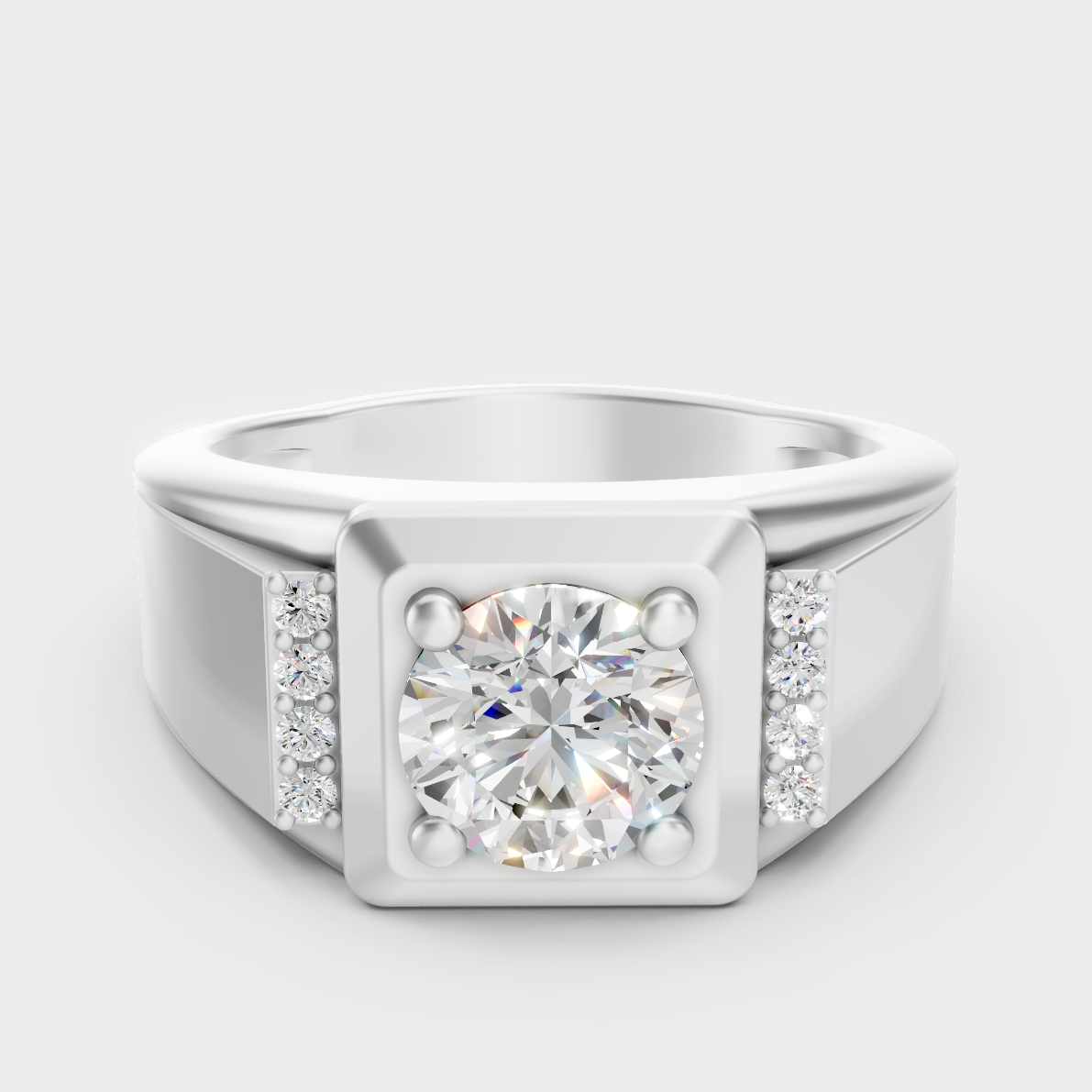
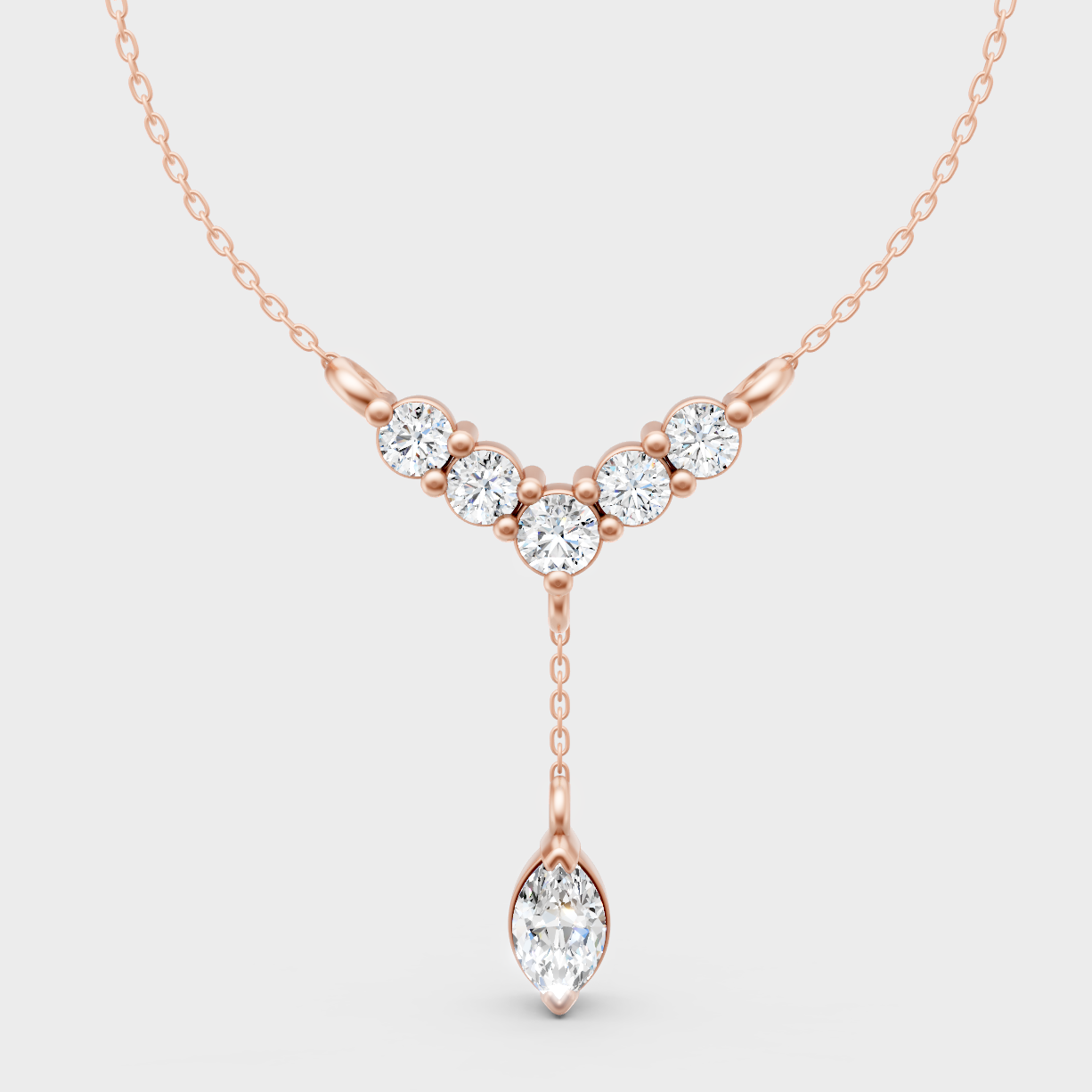


Some buyers hesitate over a very clean, high-clarity lab-grown diamond, worrying that a stone with “no flaws” might look artificial or “too perfect.” It's a reasonable instinct, but it's based on a misunderstanding of what clarity grading actually measures — and, in most cases, overpaying to solve a problem that isn't real.
What Clarity Actually Measures
Clarity grades the presence of internal inclusions and surface blemishes, on a scale from Flawless (FL) down through Included (I3). These are microscopic features, invisible to the naked eye at most grades, not visible “character” that gives a diamond warmth or authenticity. A diamond doesn't need visible flaws to look real — its brilliance comes from cut quality and light performance, not from imperfections.
Why the “Too Perfect” Concern Is a Myth
What actually makes a diamond look convincing and brilliant is cut quality — how precisely its facets are proportioned to return light to the eye. A well-cut diamond at VS clarity looks exactly as “real” and brilliant as one at Flawless clarity; the difference between those two grades is invisible without 10x magnification. The “too perfect looks fake” instinct is actually describing something else: sometimes a poorly cut diamond with excessive, uniform sparkle from cheap cubic zirconia or moissanite reads as artificial — but that's a material and cut-quality issue, not a clarity issue, and it doesn't apply to a well-cut lab-grown diamond at any clarity grade.
Where Your Money Is Actually Well Spent
Rather than chasing Flawless or Internally Flawless clarity — which costs significantly more for a difference nobody can see — the smarter allocation is: an Excellent cut grade (never compromise here), VS1-VS2 or SI1 clarity (eye-clean, and indistinguishable from Flawless without magnification), and G-H colour for white metal settings or G-I for yellow gold.
The One Exception
Step-cut shapes — emerald and Asscher cuts specifically — have large, flat facets that show inclusions more readily than brilliant-cut shapes like round or oval. If you've chosen an emerald or Asscher cut, it's worth going one grade higher on clarity than you would for a round brilliant, specifically because the cut style itself makes inclusions more visible.
Buying With Confidence
Every Inasha Diamonds stone comes with an IGI or GLI certificate stating its exact clarity grade, so you're never guessing — you can choose a grade that fits your budget and shape with full information, rather than overpaying out of an unfounded worry about authenticity. Browse our certified collection or read our guide to choosing a good diamond for more on balancing the 4Cs.