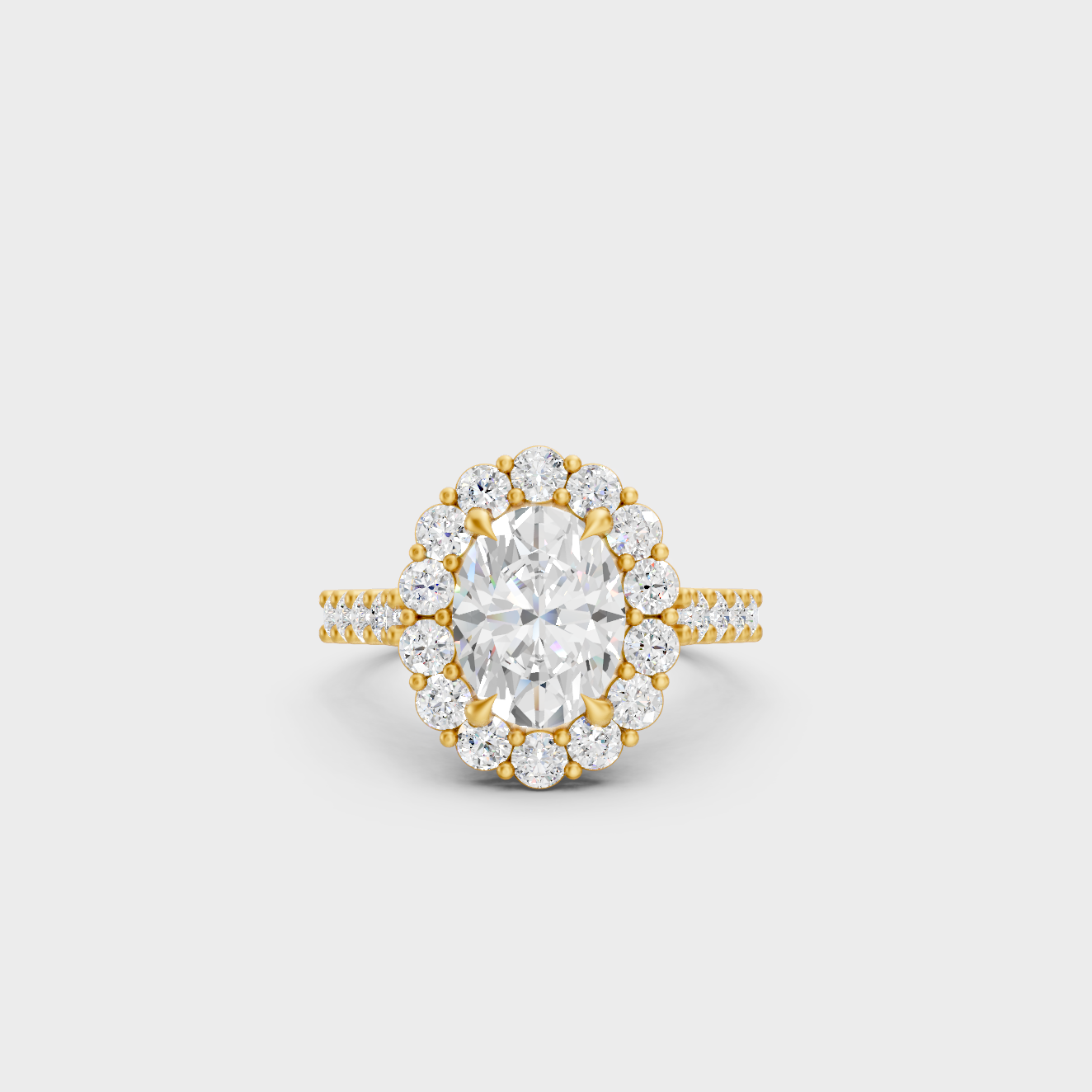




"Ethical" gets used loosely in diamond marketing, often without explaining what it actually means or how to verify it. This guide breaks down what ethical sourcing genuinely involves for lab-grown diamonds, separate from the environmental question covered in our Sustainability Guide.
What "Ethical" Actually Covers
Ethical sourcing in diamonds spans several distinct issues that are often conflated: conflict financing (diamonds funding armed conflict), labour conditions at the point of production, and supply chain transparency (can you actually trace where a stone came from). Environmental impact is a separate, fourth dimension — related, but not the same question.
Conflict-Free by Design
The Kimberley Process Certification Scheme was established specifically to keep conflict diamonds out of the legitimate mined-diamond trade. It's an important mechanism, but critics have long noted it doesn't address labour conditions or governance issues beyond narrow conflict financing. Lab-grown diamonds sidestep this issue category entirely — grown in a controlled facility rather than extracted from contested territory, there is no conflict-financing question to certify against in the first place.
Labour Conditions
Mined diamond supply chains, particularly in artisanal and small-scale mining regions, have documented labour condition concerns that go beyond what conflict-diamond certification covers — this is a genuinely separate and serious issue from conflict financing. CVD lab-grown diamond production takes place in controlled industrial facilities, a fundamentally different labour context than small-scale or artisanal mining operations.
Supply Chain Traceability
This is where verification actually happens, and where buyers should focus their scrutiny. A lab-grown diamond's origin is traceable in a way a mined stone's often isn't: it was grown in a specific facility, cut and polished, then independently graded by IGI or GLI, with a report number laser-inscribed on the stone and verifiable on the lab's own database. That verification chain is concrete and checkable — you don't have to take a seller's word for the diamond's origin story.
What to Actually Check as a Buyer
- Independent certification — IGI or GLI, with a report number you can verify yourself at report.igi.org, confirming the stone is genuinely lab-grown as claimed.
- A registered, identifiable company — a real business you can look up, not an anonymous storefront.
- Specific claims over vague marketing — "ethical" as a checkable set of facts (certification, traceability, hallmarking) is more meaningful than "ethical" as an unsupported adjective.
Where Inasha Diamonds Stands
Every diamond we sell is independently IGI or GLI certified, with a report number verifiable on the lab's own database before or after purchase. Every gold and platinum piece is BIS Hallmarked, verifiable through India's official BIS Care app. We're a registered company (Diamondberry Private Limited) with a real, verifiable address in Gurgaon. None of this requires you to take our word for it — that's the point of the verification chain existing at all.
Browse our certified lab-grown diamond collection or read our FAQ page for full certification and hallmarking details.