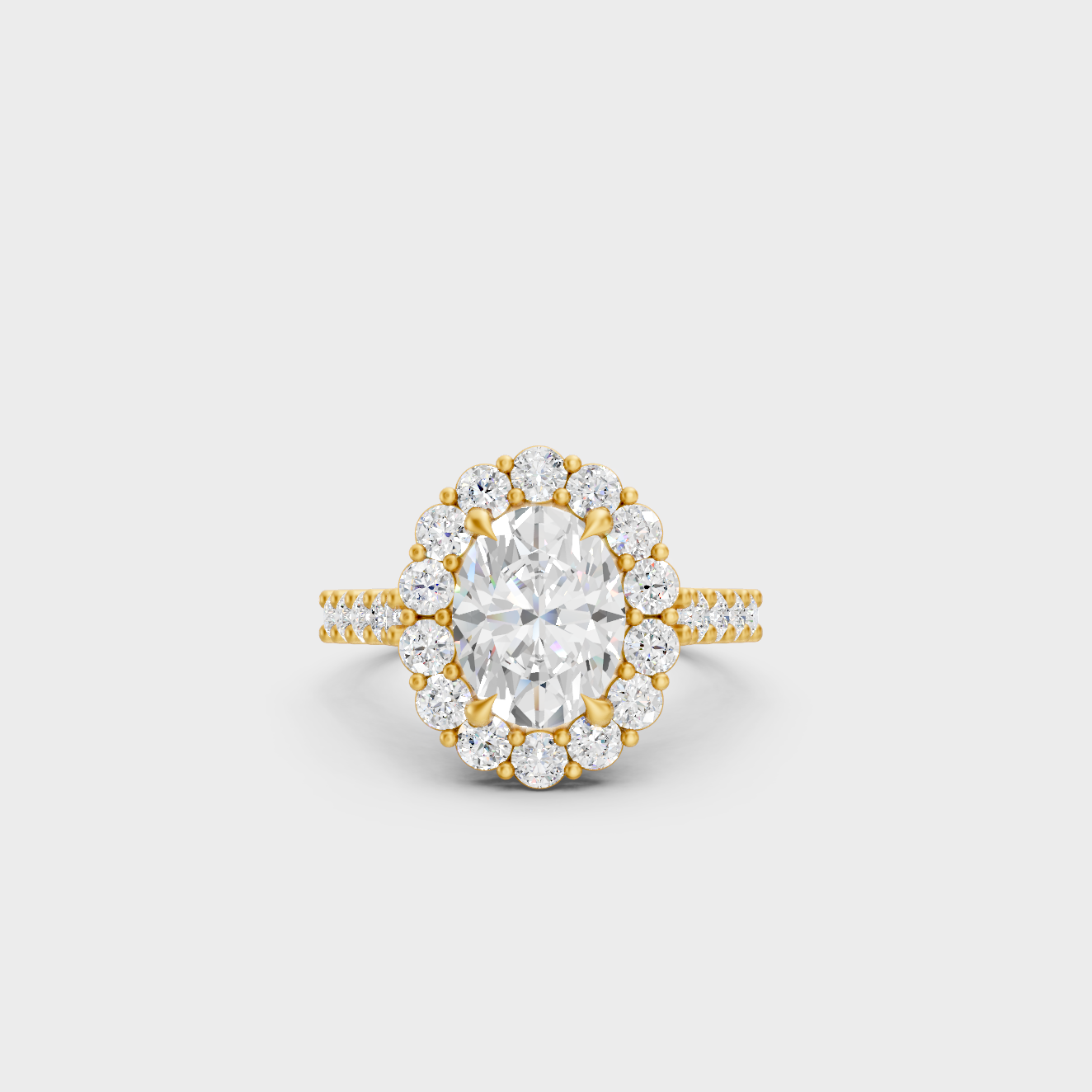


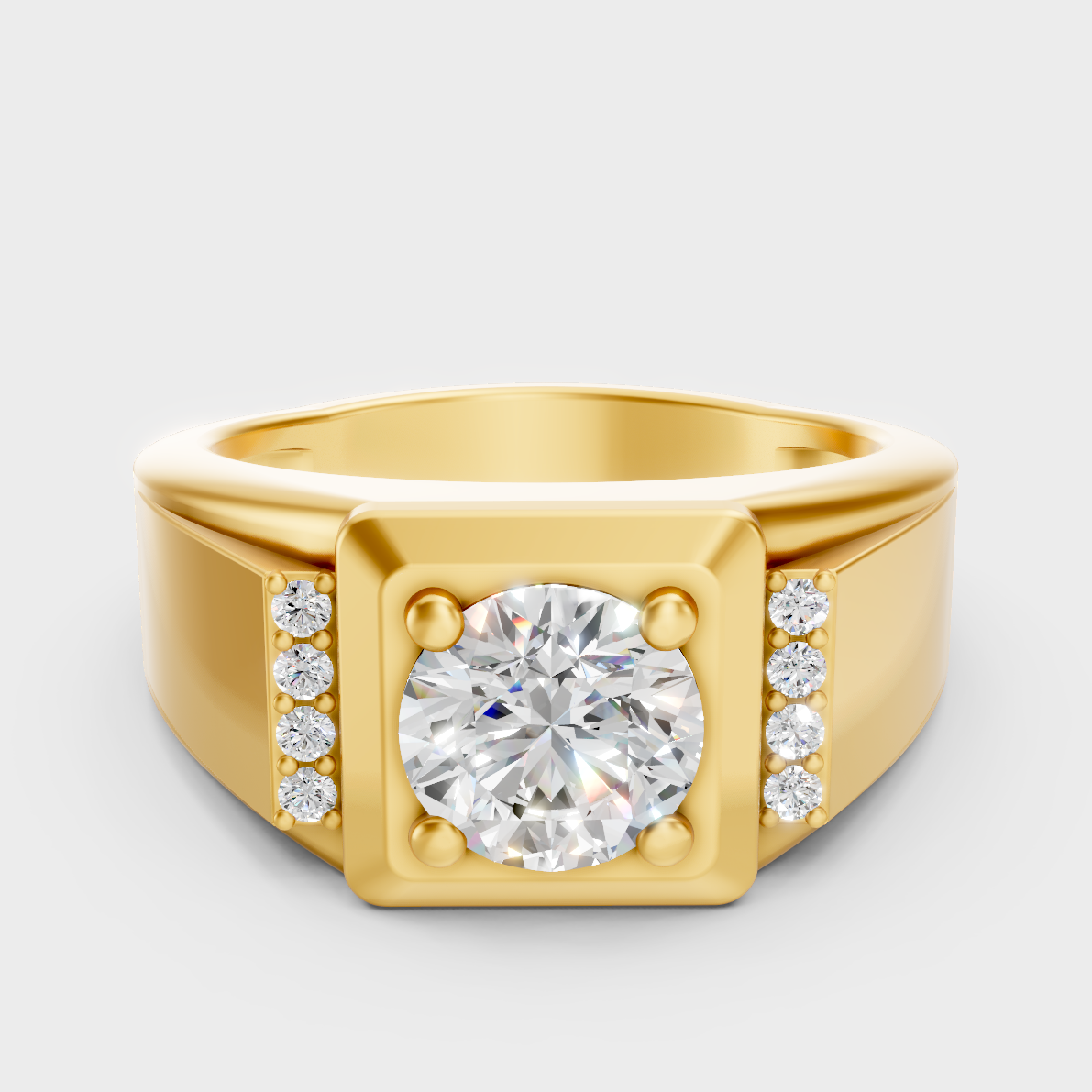
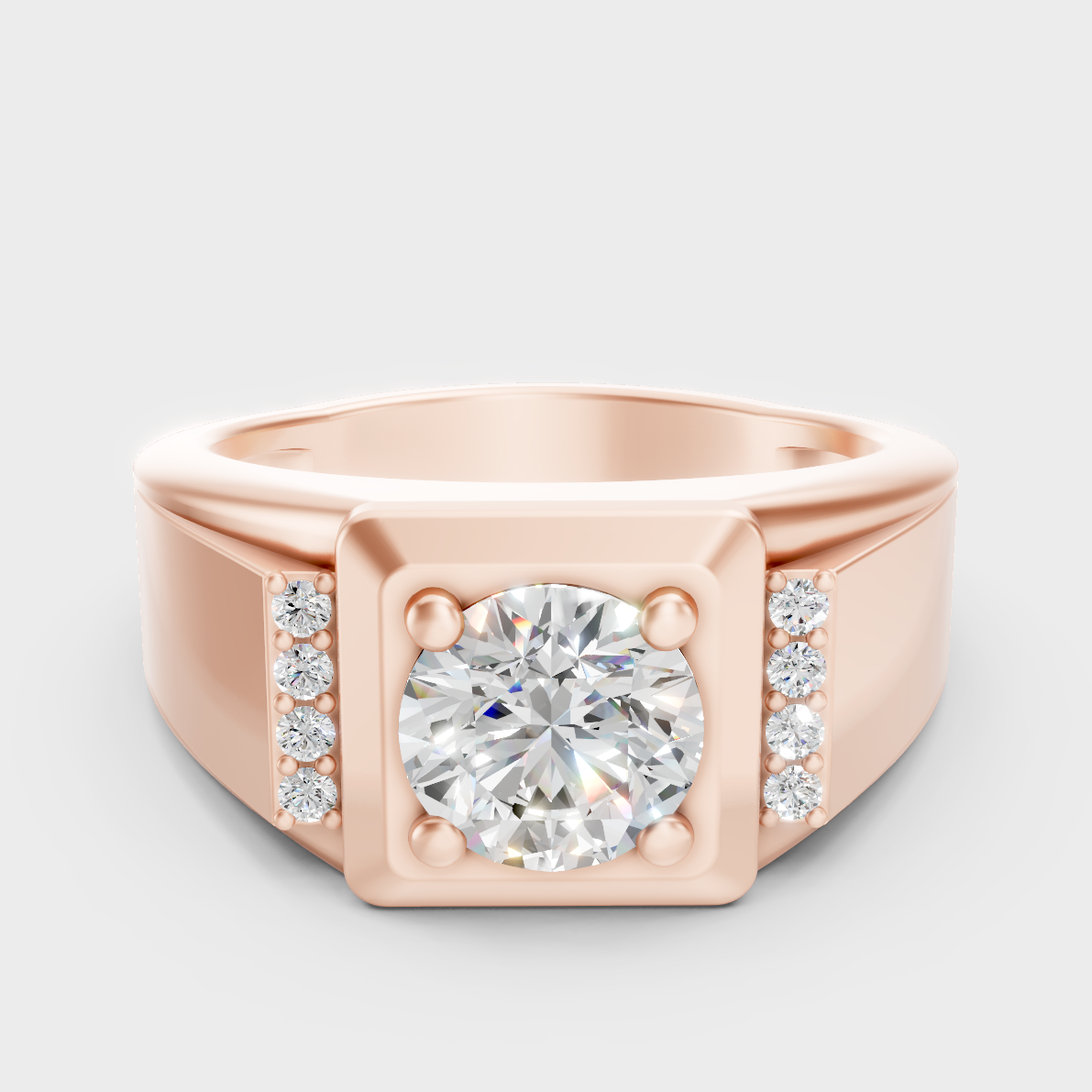
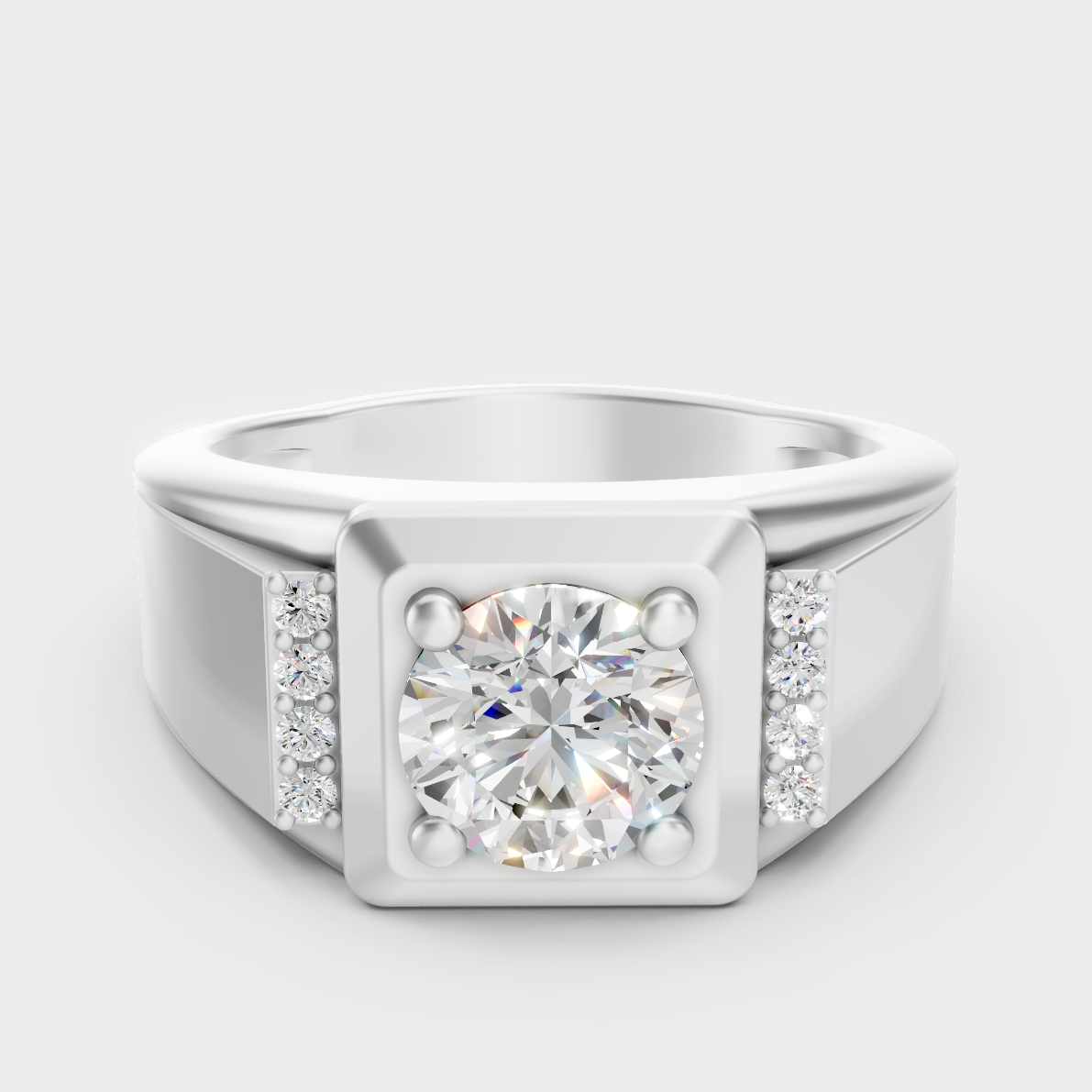
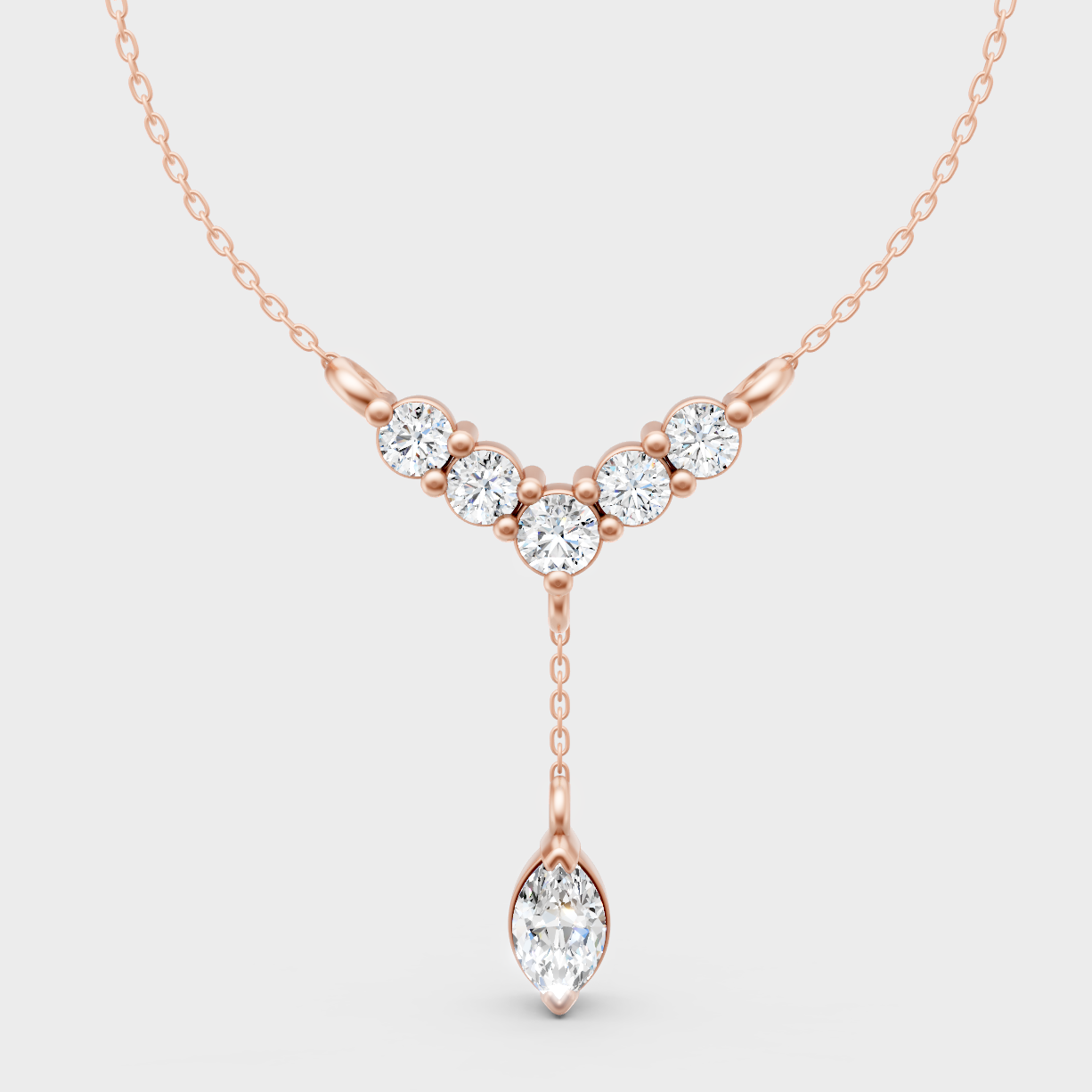


If you've chosen a lab-grown diamond and you're bracing for questions from family or friends, you're not imagining the reaction — it's real, and it's been widely reported. Some people do still ask “but is it a real diamond?” or compare lab-grown stones to imitation goods. Here's how to think about those conversations, and the facts that actually settle the question.
Why the Question Comes Up at All
Diamonds have been marketed around rarity and geological origin for generations — “a diamond is forever” framing that lab-grown diamonds don't fit into as neatly, even though the stone itself is identical. The unfamiliarity is generational and marketing-driven more than it is factual. It's a reasonable question to ask; it's just one with a clear, settled answer.
The Actual Answer, in One Line
A lab-grown diamond is not an imitation, a simulant, or a lesser substitute — it is chemically, physically, and optically identical to a mined diamond. Same carbon crystal structure, same hardness, same brilliance, same IGI or GLI certification process. The only difference is where it formed: underground over millions of years, versus a controlled facility over several weeks. It is not comparable to cubic zirconia or moissanite, which are entirely different materials that only resemble diamond visually.
How to Explain It, If You Want To
Lead with the certificate, not the argument. “It's IGI certified, exactly like a mined diamond would be — you can look up the report number yourself” tends to land better than an abstract defense, because it's concrete and checkable rather than something to simply take your word for.
It's fine not to over-explain. You don't owe anyone a justification for your own purchase. If someone asks directly, a short, factual answer is enough: “It's a real diamond, lab-grown instead of mined — same certification, same quality.” You're not obligated to defend the decision further than that.
Cost is a valid reason on its own. Choosing to put more of your budget toward the ring itself — or toward a house, a wedding, savings — rather than toward geological rarity is a legitimate, common, and increasingly mainstream choice. It doesn't need a more elaborate justification than “this made sense for us.”
You're Not Alone in This Choice
Lab-grown diamonds have moved from niche to mainstream in the engagement ring market over the past several years, driven primarily by younger buyers prioritising value and larger, more brilliant stones within their actual budget. The people asking the real-diamond question are, increasingly, in the minority — and the diamond in front of them is exactly as real as they're asking whether it is.
If You Want the Facts on Hand
Every Inasha Diamonds piece ships with an individual IGI or GLI certificate, verifiable at report.igi.org — useful to have ready if the question does come up. For more on what makes a lab-grown diamond genuinely identical to a mined one, see our Beginner's Guide.