

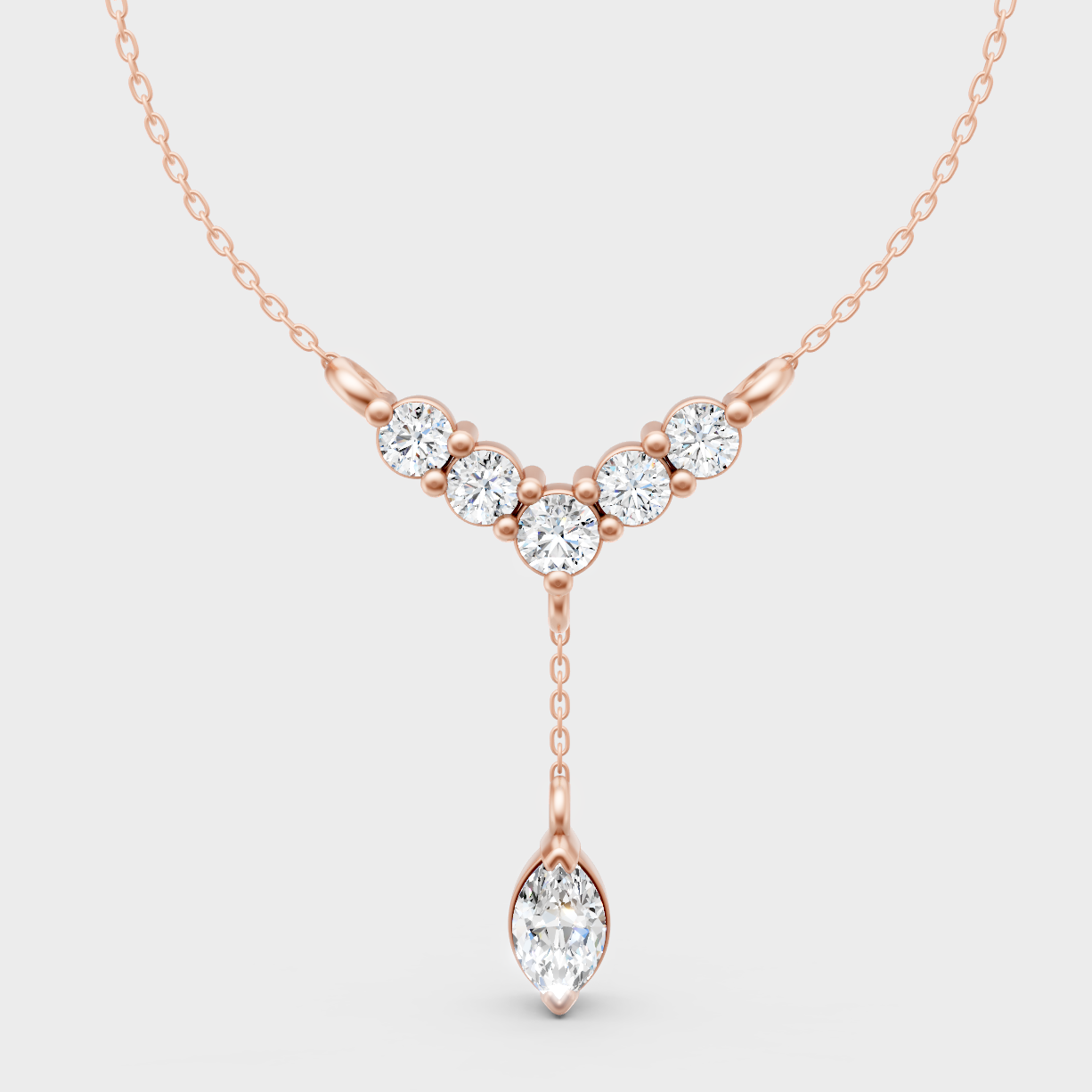
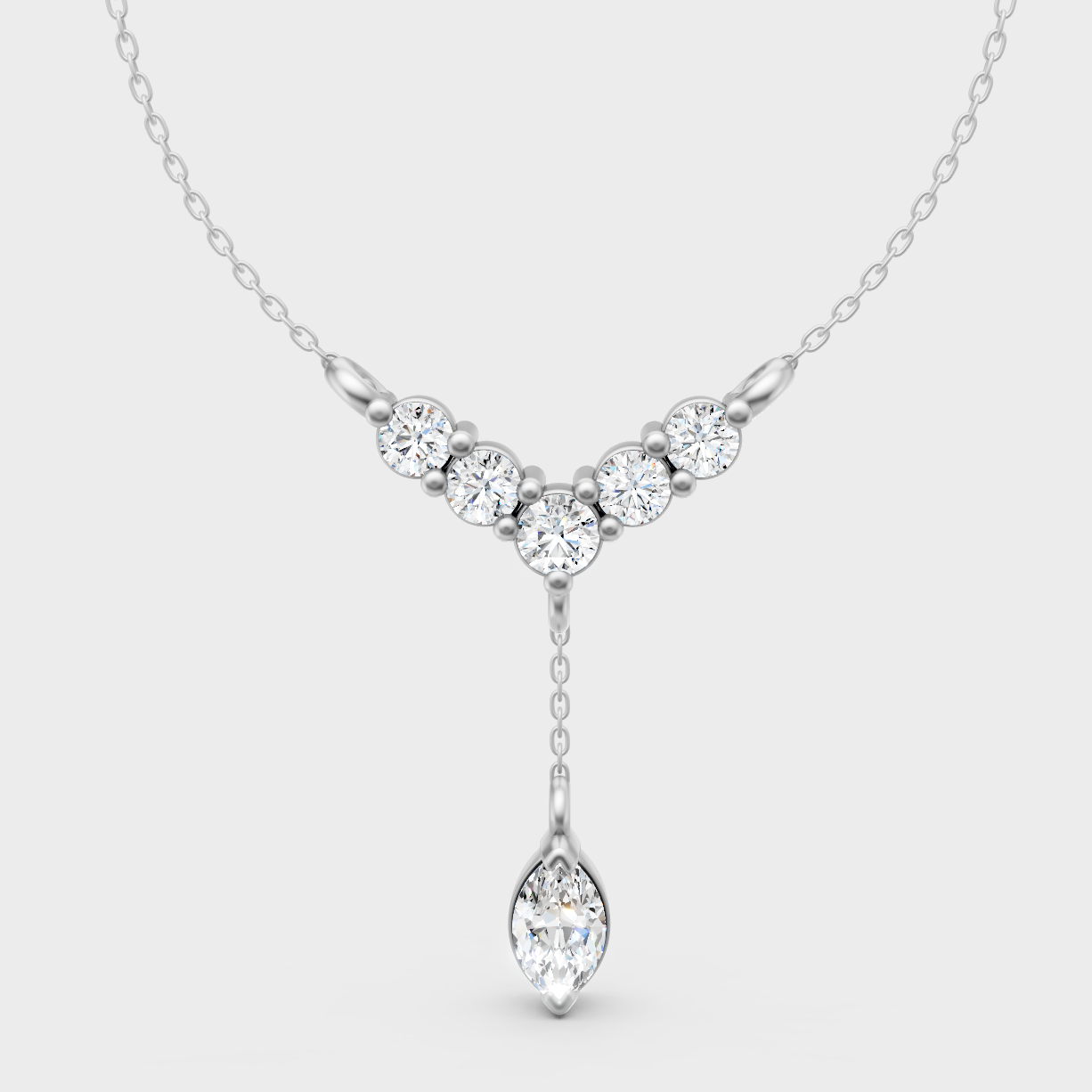


Buying your first lab-grown diamond piece involves a handful of decisions that are easy to get wrong if nobody's told you what to watch for. Here are the ten mistakes we see most often, and how to avoid each one.
1. Not Verifying the Certificate Independently
Never take a seller's certification claim at face value. Every legitimate IGI or GLI certificate has a report number laser-inscribed on the diamond's girdle that you can look up yourself, for free, on the lab's own database. If a seller can't provide this or discourages you from checking, treat that as a serious warning sign.
2. Confusing Total Carat Weight with Per-Stone Weight
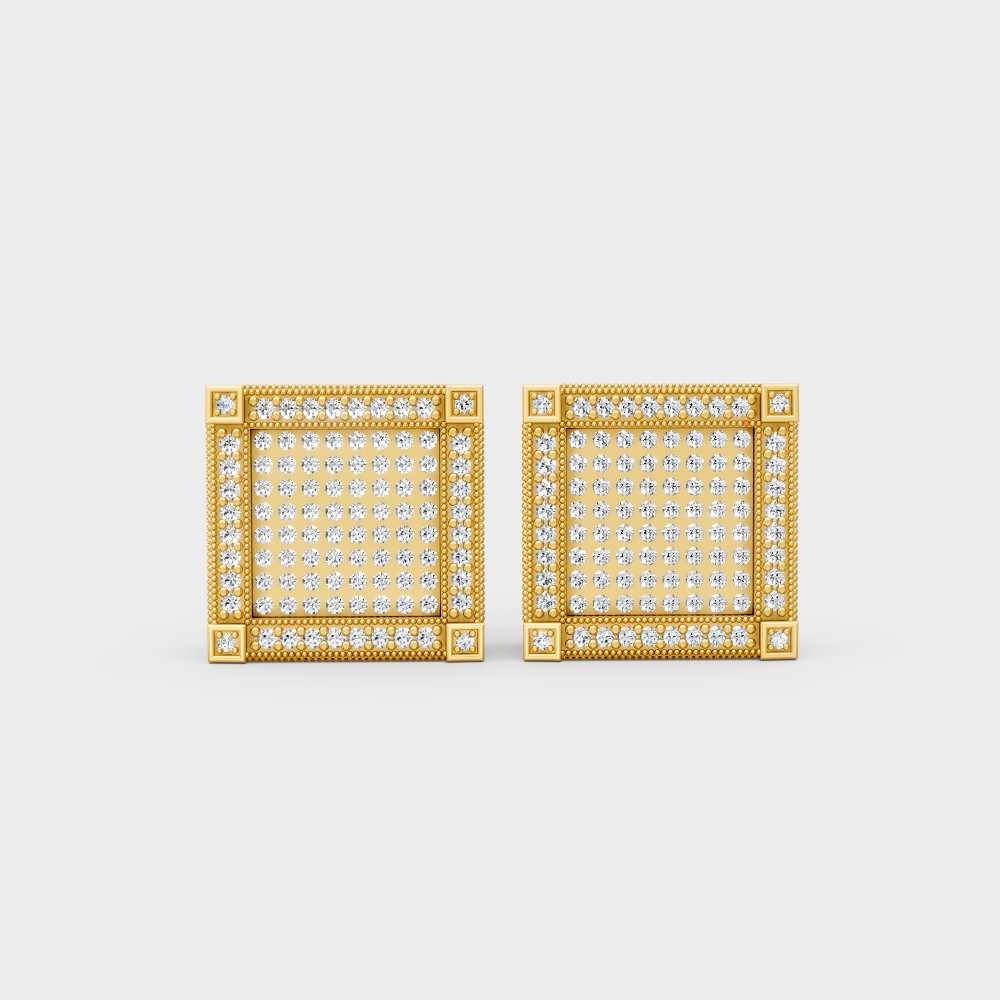
A pair of earrings or a multi-stone ring listed at “1 carat” might mean 1 carat combined across all stones, not 1 carat each. Always confirm whether a carat figure is total or per-stone before comparing prices between pieces.
3. Prioritising Carat Over Cut
A larger, poorly cut diamond will look duller than a smaller, excellently cut one. Cut quality determines brilliance more than any other factor — it's the one variable worth never compromising on, even if it means a slightly smaller stone.
4. Overpaying for Colour You Won't See
Most people cannot distinguish D colour from H colour with the naked eye once a diamond is set, especially in gold settings where warmth from the metal masks subtle colour differences. G-H colour offers most of the visual result at a meaningfully lower price than D-F.
5. Ignoring the Setting's Resizability
Eternity bands and pavé-set rings are difficult or impossible to resize later. If you're not fully certain of your size, choose a setting style that leaves resizing room, or verify your size carefully before ordering a hard-to-resize style.
6. Not Checking Gold Hallmarking
In India, gold jewellery should carry a BIS Hallmark with a verifiable HUID number. Skipping this check means you have no independent confirmation the gold is the purity it's claimed to be.
7. Assuming All Lab-Grown Diamonds Are Priced the Same
Lab-grown diamond pricing still varies by the 4Cs, exactly like mined diamonds — an excellent-cut, high-clarity 2 carat stone costs meaningfully more than a lower-grade stone of the same weight. “Lab-grown” is not a single price point.
8. Buying Without Checking the Return Policy
Confirm the exact return window, in writing, before you buy — not after. Reputable sellers state this clearly upfront rather than making you dig for it.
9. Treating a Diamond as a Financial Investment
Diamonds — lab-grown or mined — are not strong investment vehicles and typically resell for a fraction of retail price. Buy for the beauty and meaning of the piece, not expecting appreciation.
10. Not Getting the Right Detail from an Overseas Seller
If you're buying internationally, confirm shipping cost, who's responsible for any import duty, and your actual size in the seller's sizing system before ordering — assumptions here are the most common source of post-purchase disputes.
Buying Confidently at Inasha Diamonds
Every diamond is IGI or GLI certified with a verifiable report number. Every piece is BIS Hallmark gold or 950 platinum. Our FAQ page covers certification, shipping, sizing, and returns in full detail before you buy.