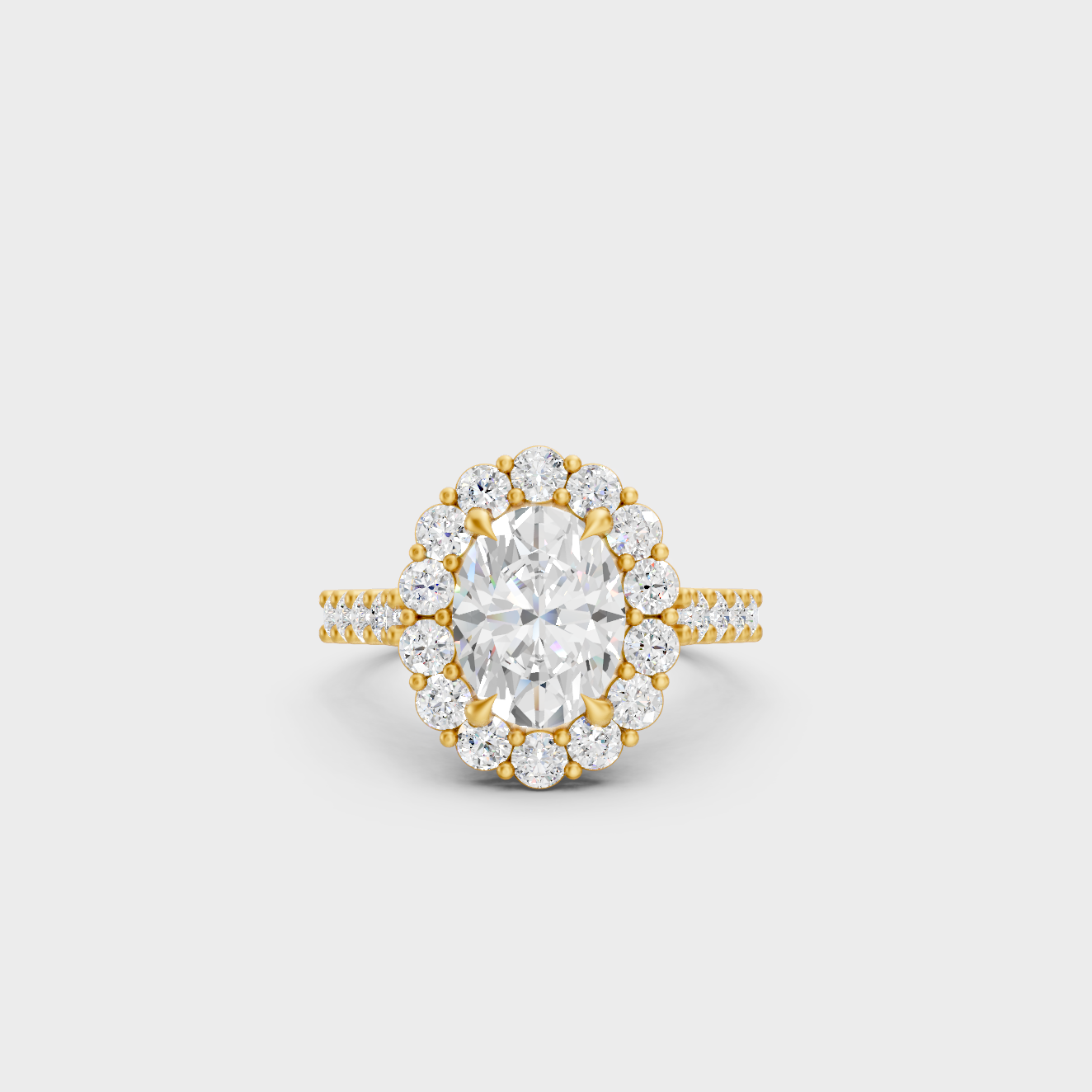


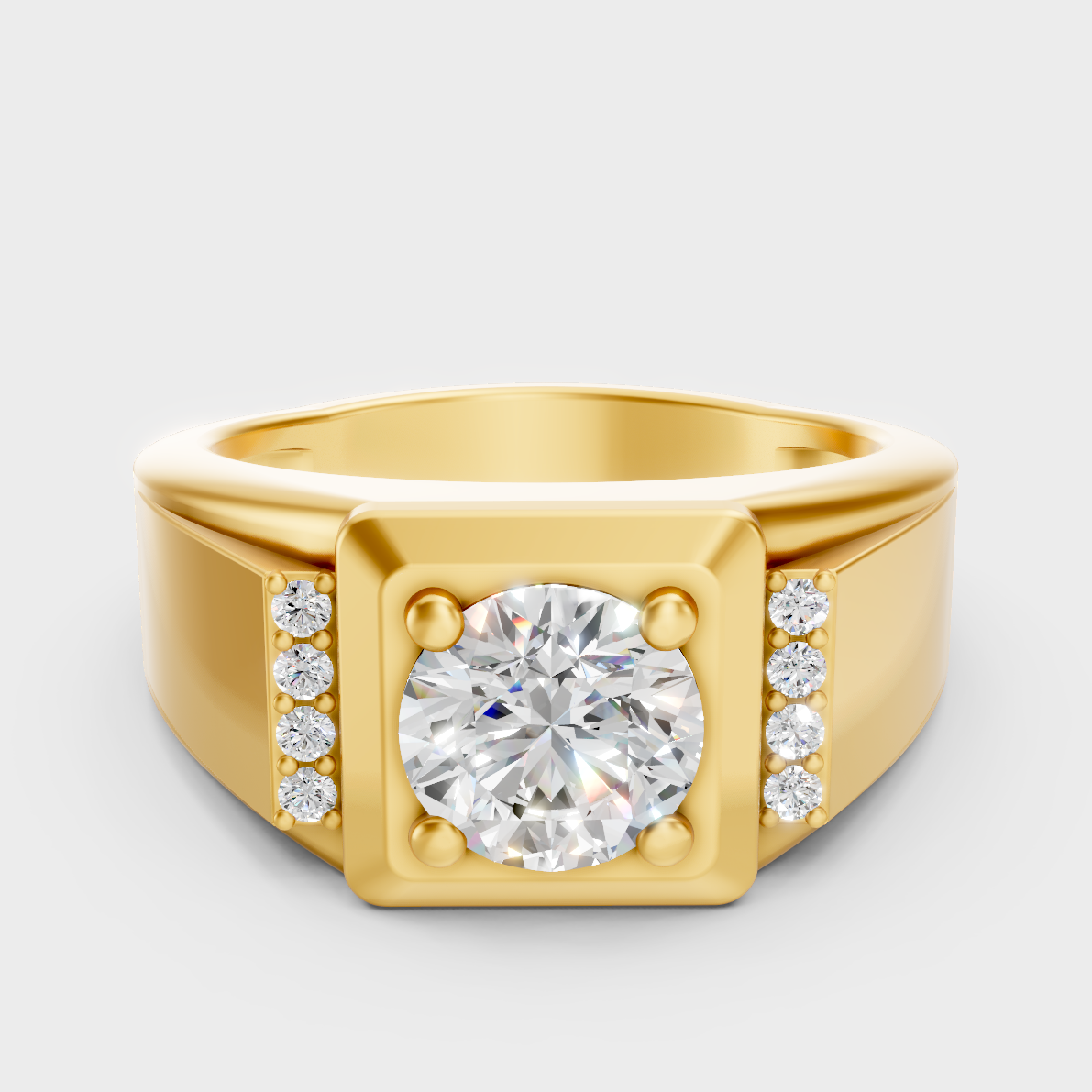
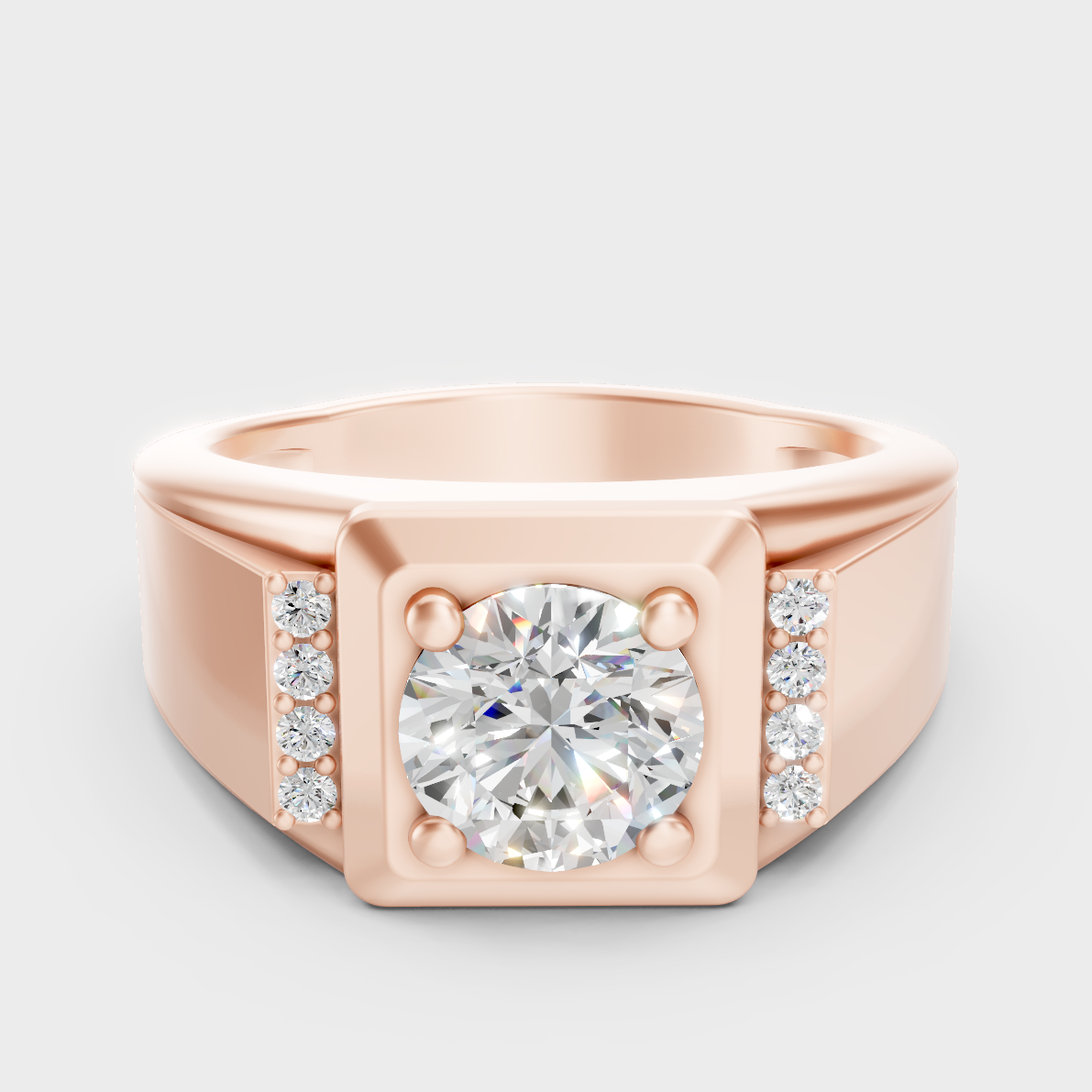
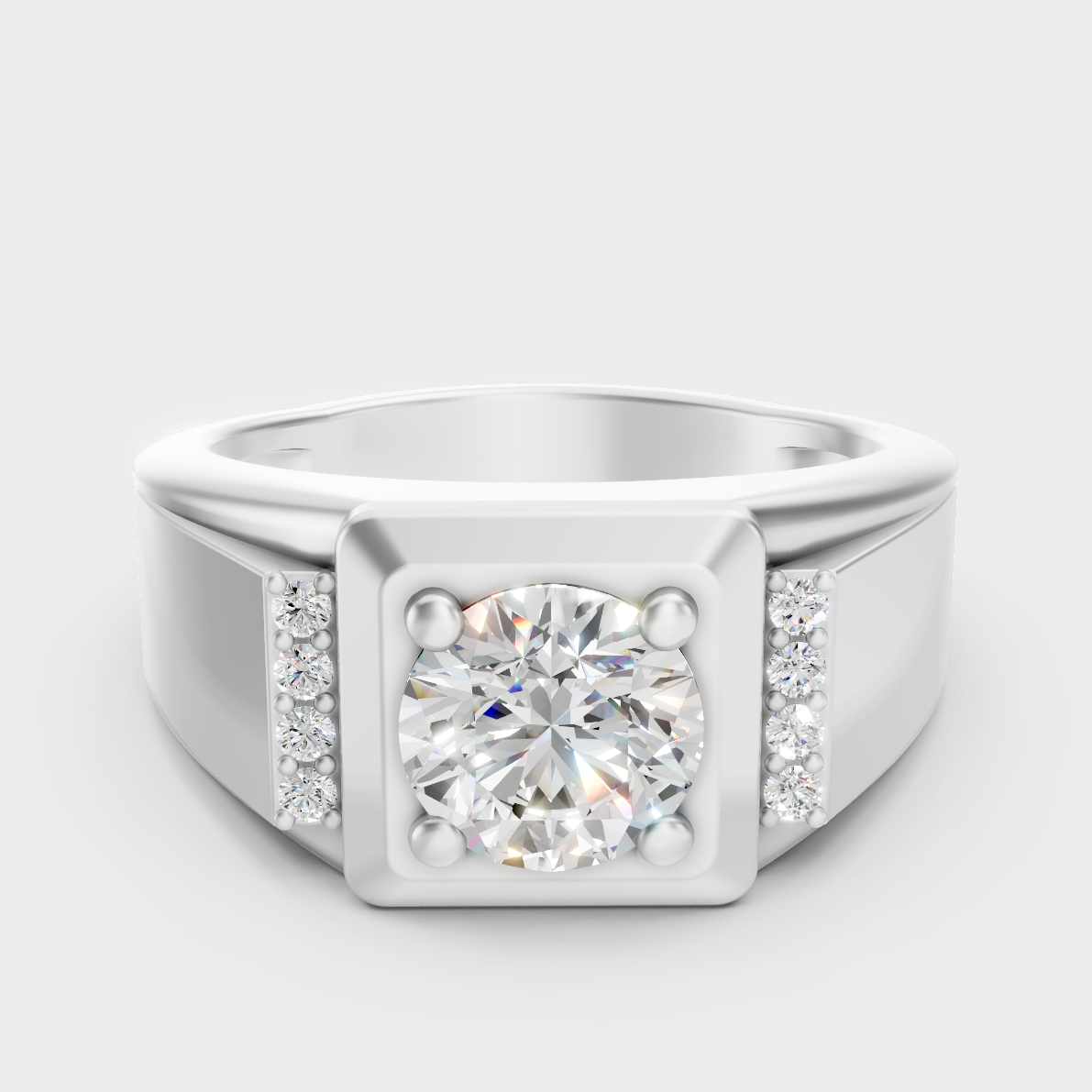


If you are hearing about lab-grown diamonds for the first time - or have heard the term but are not sure exactly what it means - this guide covers everything from the very beginning. No assumptions, no jargon, no sales pitch. Just a clear, honest explanation of what a lab-grown diamond is, how it is made, and what it means for you as a buyer.
What Is a Lab-Grown Diamond?
A lab-grown diamond is a real diamond. It is not an imitation. It is not a simulant. It is not cubic zirconia or moissanite or glass. It is a diamond - composed of pure carbon atoms arranged in the same cubic crystal structure as a natural diamond - that was created in a scientific facility rather than formed underground over billions of years.
The physical properties are identical. Both natural and lab-grown diamonds score 10 on the Mohs hardness scale - the maximum, making them equally scratch-resistant. Both have the same refractive index, meaning both bend and reflect light identically, producing the same brilliance and fire. Both have the same chemical composition - pure carbon. Standard diamond testers cannot distinguish them. Independent gemological laboratories like IGI grade them using exactly the same 4Cs system.
The only difference between a lab-grown diamond and a natural diamond is origin. One formed under the earth over millions of years. The other was grown in a controlled laboratory environment over a few weeks.
How Are Lab-Grown Diamonds Made?
There are two primary methods for growing lab-grown diamonds. The most common method used in 2026 for gem-quality diamonds is CVD - Chemical Vapour Deposition. This is the method Inasha Diamonds uses exclusively.
CVD - Chemical Vapour Deposition
In the CVD process, a thin slice of diamond - called a seed crystal - is placed inside a sealed growth chamber. The chamber is filled with carbon-rich gases, typically a mixture of methane and hydrogen. Microwave energy or a laser heats the gases to extreme temperatures, ionising them into a plasma state. In this plasma state, carbon atoms separate from the gas molecules and deposit layer by layer onto the diamond seed crystal below.
Over several weeks, the carbon atoms build up layer by layer, growing a new diamond crystal upward from the seed. The process is precisely controlled - temperature, pressure, gas composition, and growth rate are all monitored continuously to produce diamonds of specific colour and clarity grades.
When the growth process is complete, the rough diamond crystal is removed from the chamber and sent to a cutting facility where it is cut, faceted, and polished using the same techniques used for natural diamonds. The finished diamond is then sent to IGI for independent certification.
HPHT - High Pressure High Temperature
The second method, HPHT, replicates the geological conditions under which natural diamonds form deep in the earth - extreme pressure of approximately 1.5 million pounds per square inch combined with temperatures of around 1,500 degrees Celsius. A diamond seed surrounded by carbon source material is subjected to these conditions, causing the carbon to dissolve and deposit onto the seed, growing a new diamond crystal. Inasha Diamonds uses CVD exclusively, but HPHT diamonds are equally real and equally IGI-certified.
Are Lab-Grown Diamonds Real Diamonds?
Yes, completely. This is the most important thing to understand. A lab-grown diamond is not a diamond alternative or a diamond substitute. It is a diamond. The International Gemological Institute (IGI), the Gemological Institute of America (GIA), and every major independent gemological laboratory in the world grade lab-grown diamonds using exactly the same 4Cs methodology as natural diamonds - because they are the same material requiring the same assessment.
When you buy an IGI-certified lab-grown diamond ring from Inasha Diamonds, the IGI certificate confirms the exact Cut, Colour, Clarity, and Carat weight of your specific diamond. That certificate carries identical scientific authority to an IGI certificate for a natural diamond. The diamond is real. The certificate is real. The only thing that differs is the origin story.
What Is the Difference Between a Lab-Grown Diamond and Moissanite or Cubic Zirconia?
This is one of the most common points of confusion for first-time buyers.
Moissanite is silicon carbide - a completely different material from diamond. It looks similar to diamond but is not a diamond. It has different optical properties - moissanite has a higher refractive index than diamond, which creates a distinctive rainbow or disco-ball sparkle effect that trained eyes can identify. Moissanite tests negative on some diamond testers and positive on others depending on the tester type. It is significantly less expensive than lab-grown diamond.
Cubic zirconia is zirconium dioxide - again, a completely different material. It resembles diamond visually but is much softer (Mohs 8-8.5 versus diamond's 10), has different optical properties, and is not a diamond in any sense. It is the most affordable diamond simulant but also the most easily identified as a non-diamond by any jeweller.
Lab-grown diamonds are neither of these. They are carbon, arranged in exactly the diamond crystal structure, with exactly diamond's hardness, refractive index, thermal conductivity, and all other physical properties. They are diamonds. Moissanite and cubic zirconia are diamond simulants - materials designed to look like diamonds but are not diamonds. A lab-grown diamond from Inasha Diamonds comes with an IGI certificate that no moissanite or cubic zirconia piece ever could - because IGI only certifies diamonds.
Why Do Lab-Grown Diamonds Cost Less Than Natural Diamonds?
Lab-grown diamonds cost 60-75% less than natural diamonds of identical IGI-certified specifications in 2026. This price difference is not a quality signal. It is a supply chain and production cost difference.
Natural diamonds require billion-year geological formation, discovery, large-scale mining operations, rough diamond trading through global markets, and extensive logistics chains. All of this infrastructure adds cost that has nothing to do with the diamond itself.
Lab-grown diamonds are produced in controlled facilities in weeks. The raw material cost, energy cost, and production overhead are significantly lower than mining. These savings pass through to the buyer. The diamond - its carbon structure, its hardness, its brilliance, its IGI certification - is identical. Only the supply chain differs.
As CVD production technology has scaled globally, lab-grown diamond prices have continued declining. In 2026, prices are approximately 15-20% lower than 2023 levels, making this an excellent time to buy.
Do Lab-Grown Diamonds Fade, Scratch, or Change Over Time?
No. A lab-grown diamond has identical durability to a natural diamond. It scores 10 on the Mohs scale - the maximum hardness of any material - making it extremely resistant to scratching in everyday wear. It will not fade, discolour, cloud, or lose its brilliance over time. With normal care, a lab-grown diamond ring will look identical in 50 years as it does the day you receive it. This is one of the most important properties of diamond as a material - both natural and lab-grown - and why diamond jewellery is considered heirloom quality.
How Are Lab-Grown Diamonds Certified?
Every Inasha Diamonds lab-grown diamond is certified by IGI - the International Gemological Institute, the world's largest independent gemological laboratory and the globally preferred certification body for lab-grown diamonds. IGI certifies each diamond's exact Cut, Colour, Clarity, and Carat weight using the same 4Cs grading standards applied to natural diamonds.
The IGI report number is laser-inscribed on the diamond's girdle - the thin edge between the crown and the base of the stone - and can be verified at report.igi.org, free of charge, from anywhere in the world, before or after purchase. We encourage every buyer to verify their diamond at report.igi.org before completing their purchase. We provide IGI report numbers on request for any listed product.
Is a Lab-Grown Diamond Right for You?
A lab-grown diamond is the right choice if you want a genuine, certified diamond at a price that allows you to either save significantly versus a natural diamond or buy a significantly larger, more impressive stone for the same budget. It is the right choice if you value transparent, verifiable certification over geological rarity. It is the right choice if environmental considerations matter to your purchase decision.
A natural diamond may suit you better if you specifically value geological rarity and formation history as part of the meaning of the piece, or if resale value over the very long term is a primary consideration alongside beauty and quality.
For most buyers purchasing an engagement ring, anniversary gift, Mangalsutra, earrings, or everyday jewellery - a lab-grown diamond in IGI-certified quality at Inasha Diamonds prices delivers identical beauty, identical certification, and dramatically better value than an equivalent natural diamond purchase.
Shop IGI-Certified Lab-Grown Diamonds at Inasha Diamonds
Inasha Diamonds (inashadiamonds.com) is a Gurgaon-based premium lab-grown diamond jewellery brand and two-time eBay Exporter of the Year in the Luxury Category. Every diamond is IGI-certified CVD lab-grown. Every piece is set in BIS Hallmark gold or 950 platinum. Free insured shipping across India in 3-5 business days. International shipping to USA, UK, UAE, Singapore, Canada and Australia. Rings from Rs. 34,000. Email: help@inashadiamonds.com | WhatsApp: +91 6003557006