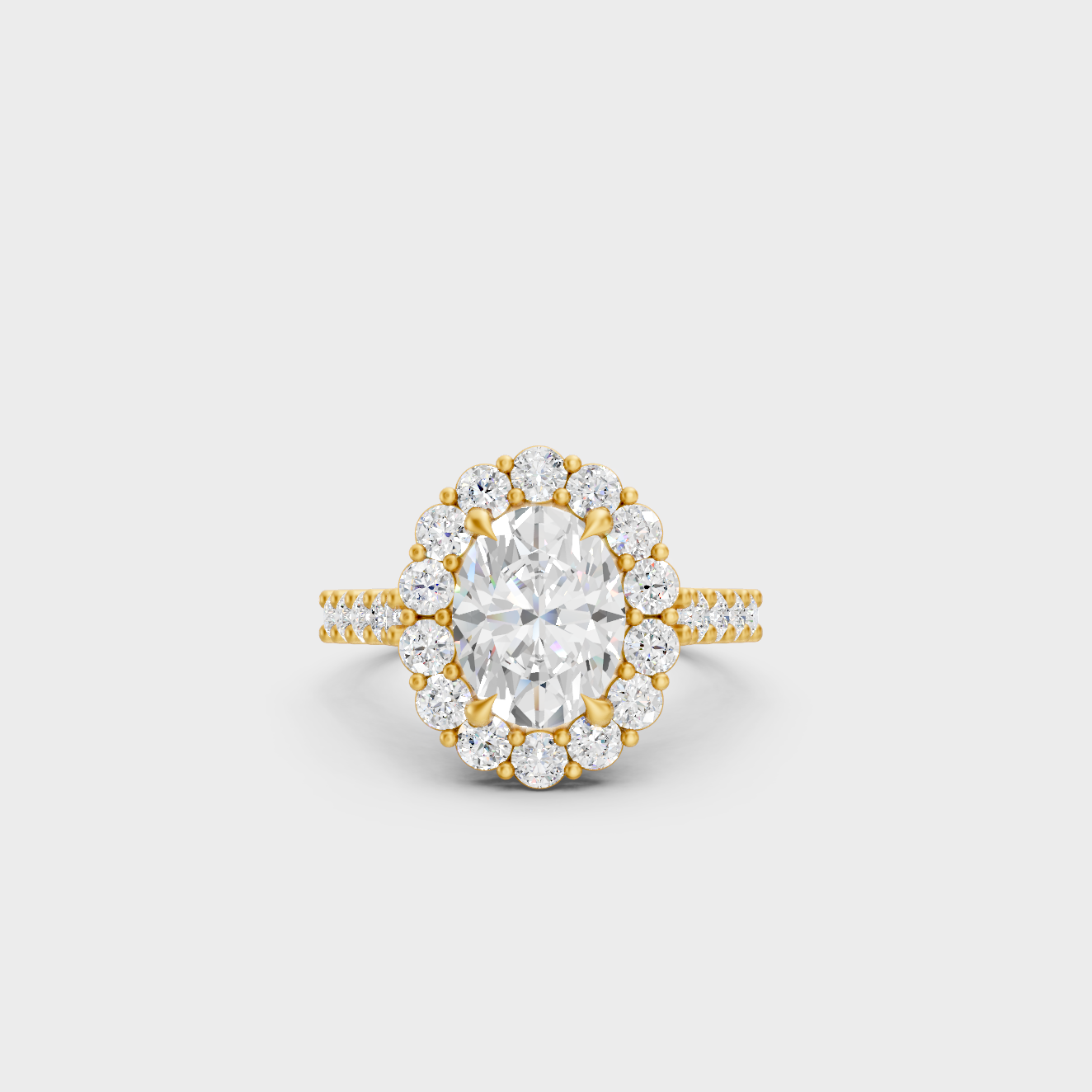


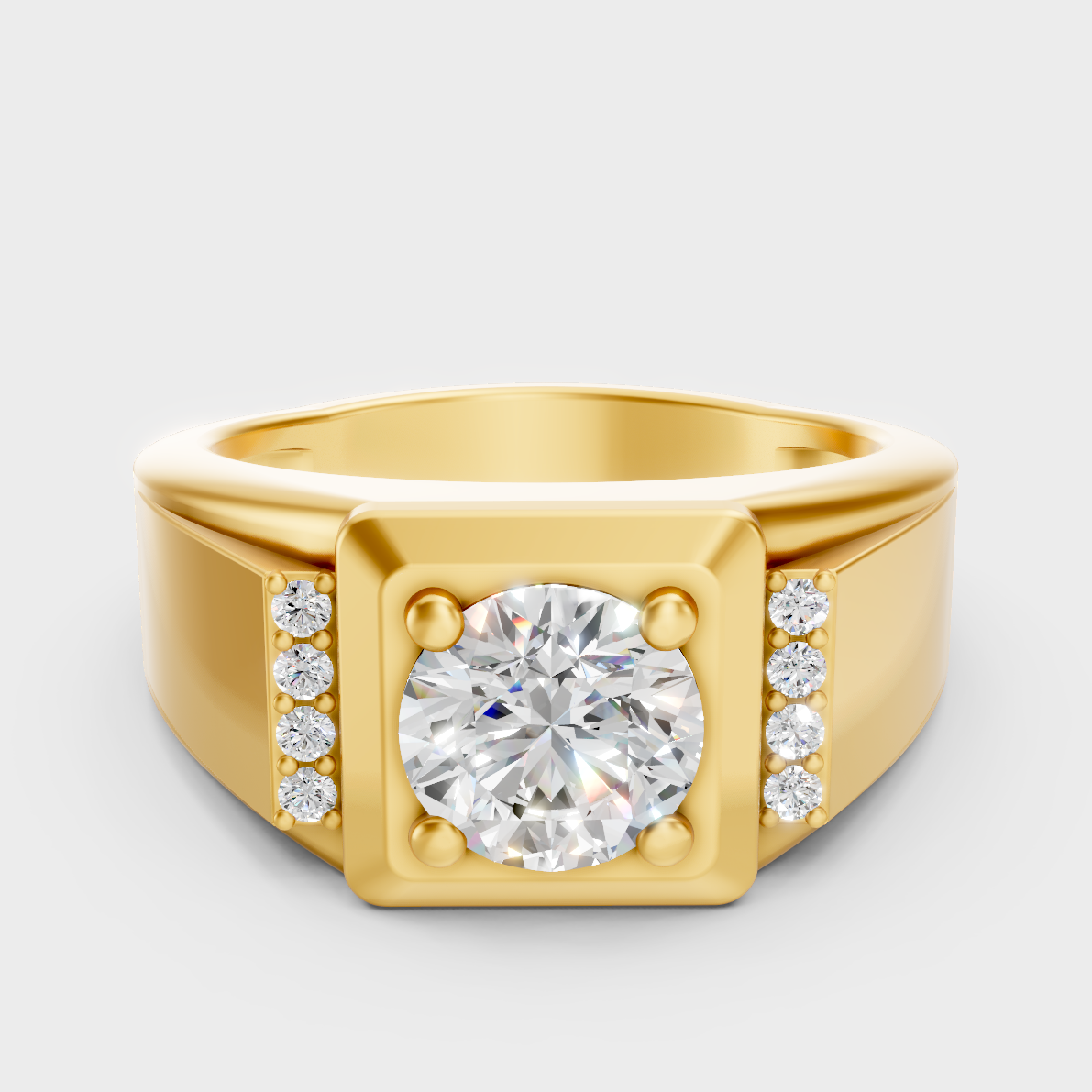
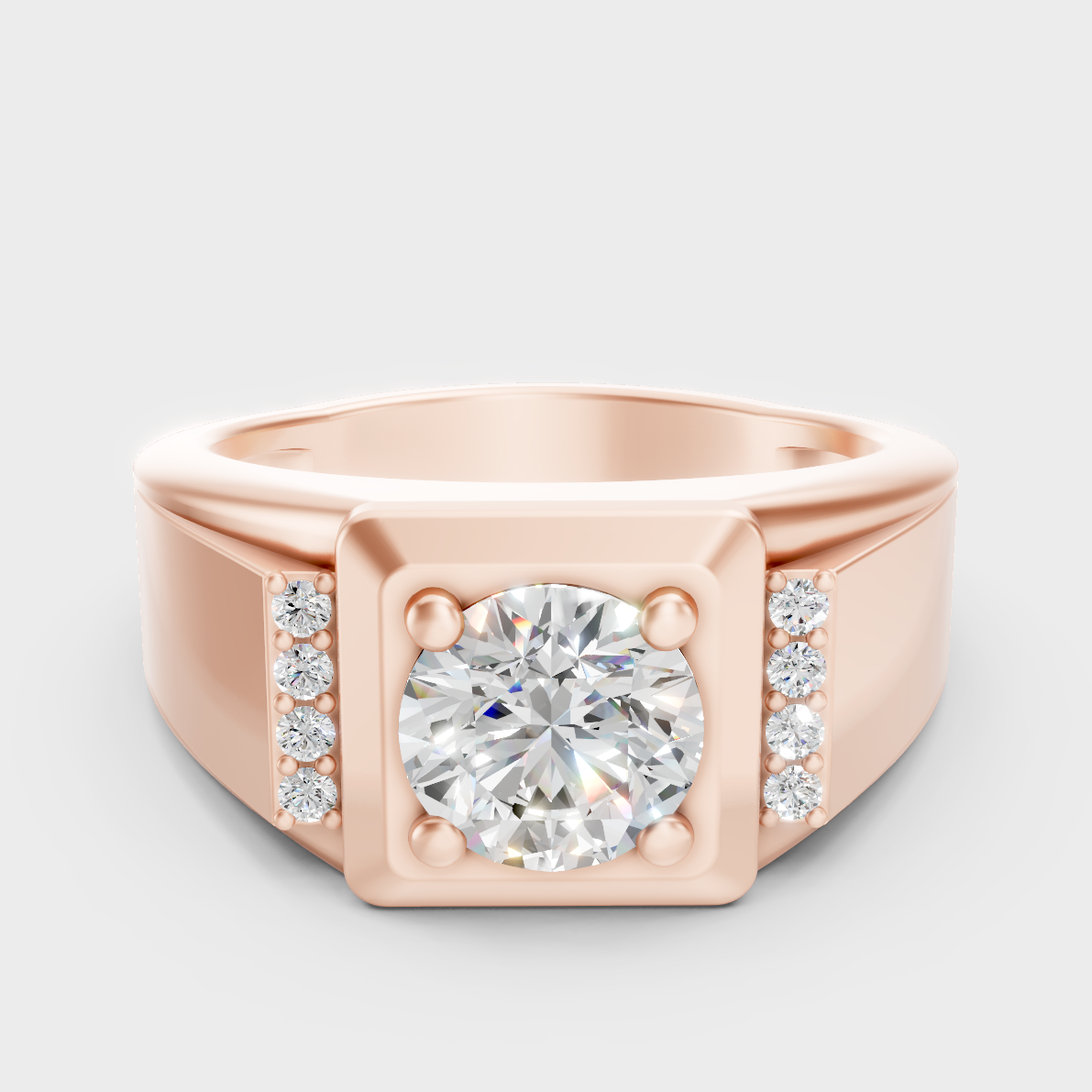
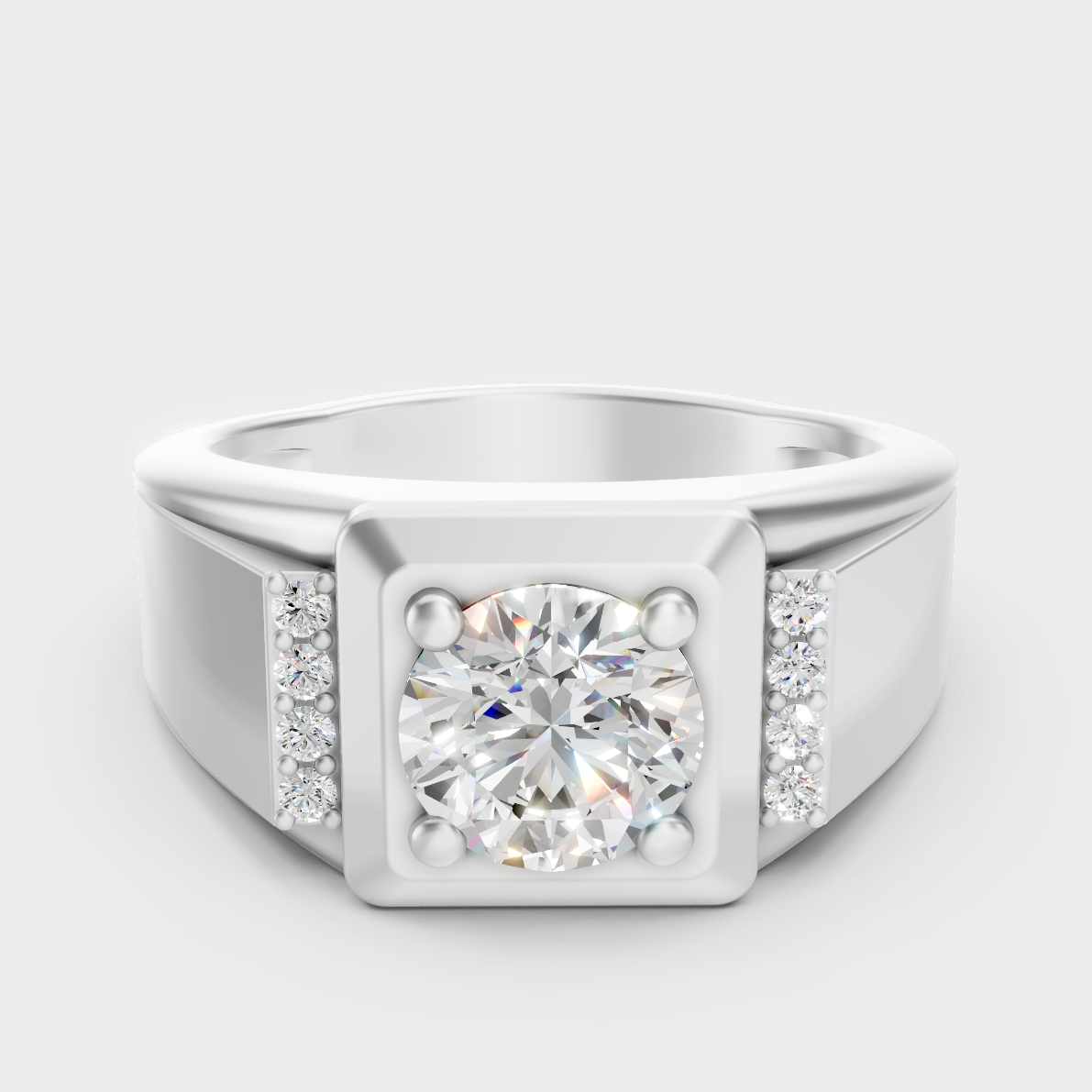
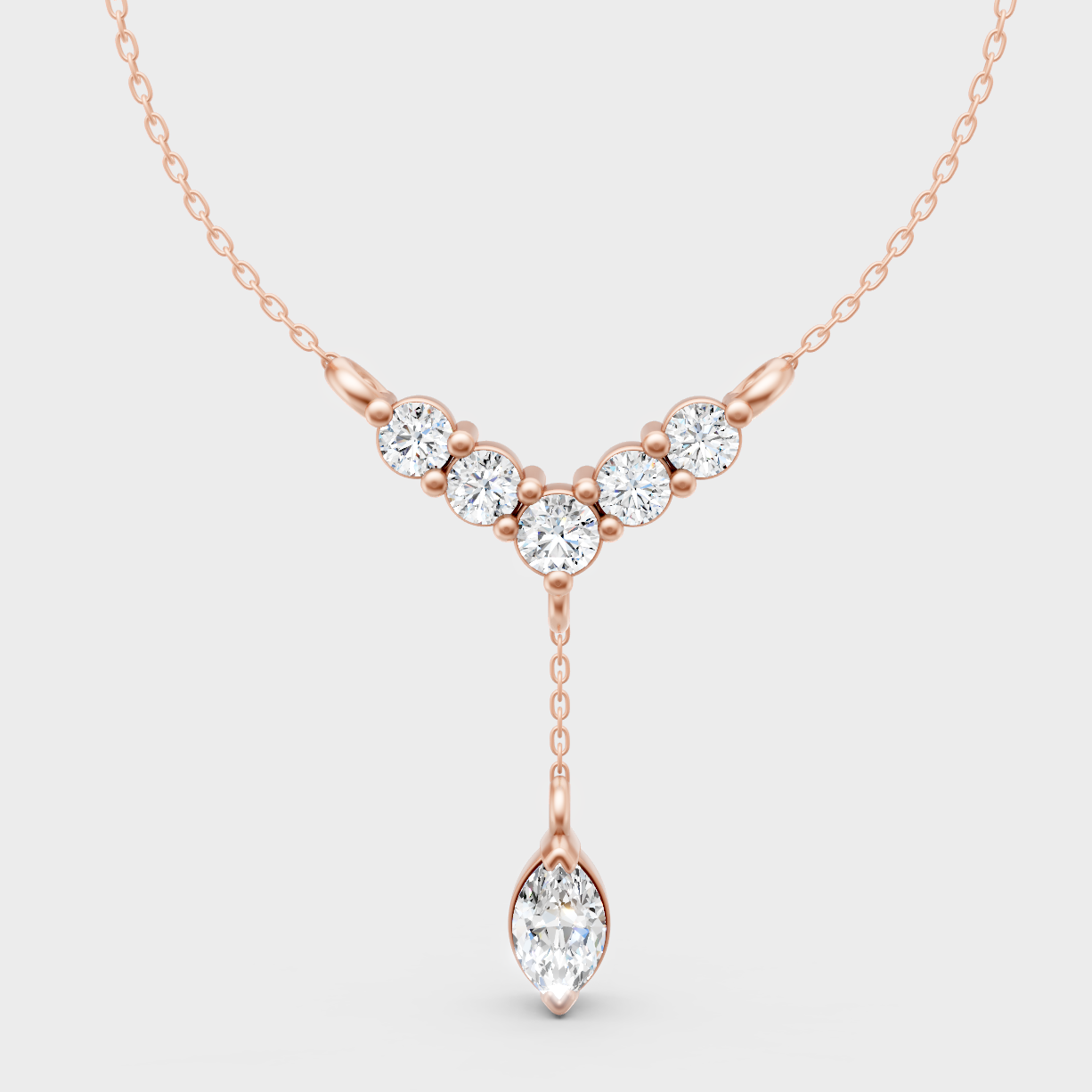
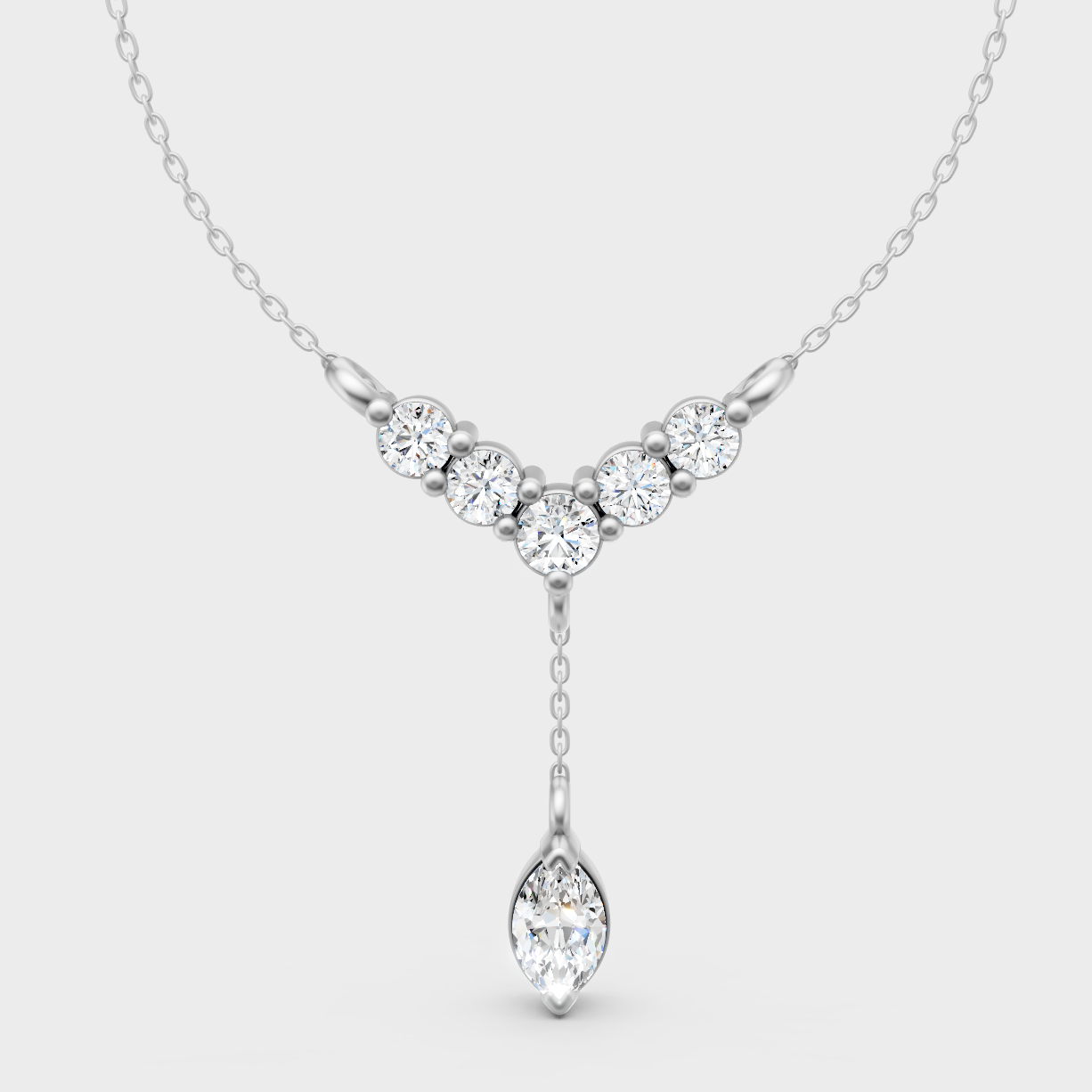


Lab-grown diamond versus moissanite is one of the most searched jewellery comparisons in 2026. Both are presented as alternatives to natural mined diamonds. Both look similar to diamond at a glance. Both cost significantly less than natural diamonds. But they are not the same material, they do not perform identically, and the difference matters significantly when you are buying a piece of jewellery you intend to wear every day for decades.
This guide gives you the complete, honest comparison - written by Inasha Diamonds, a brand that sells exclusively IGI-certified lab-grown diamonds and never moissanite, which means we have a strong opinion on this subject but will give you the facts to make your own decision.
What Is Moissanite?
Moissanite is silicon carbide - a chemical compound of silicon and carbon. It is not a diamond. It has a completely different chemical composition, a completely different crystal structure, and meaningfully different physical and optical properties from diamond. Moissanite was originally discovered in 1893 in a meteorite crater in Arizona by French chemist Henri Moissan - hence the name. Natural moissanite is extraordinarily rare. Almost all moissanite sold in jewellery today is laboratory-created silicon carbide.
Moissanite looks like a diamond to the casual eye. It is transparent, faceted, and sparkles. But it is not a diamond and cannot be certified by IGI, GIA, or any major gemological laboratory as a diamond - because it is a different material entirely.
What Is a Lab-Grown Diamond?
A lab-grown diamond is a real diamond - pure carbon in a cubic crystal structure, chemically and physically identical to a natural mined diamond. It is not a simulant or alternative to diamond. It is diamond. Created using CVD (Chemical Vapour Deposition) technology in a controlled facility rather than formed underground over billions of years, but the resulting material is identical in every measurable way to a natural diamond. Lab-grown diamonds are certified by IGI using exactly the same 4Cs grading methodology as natural diamonds.
Hardness - Lab-Grown Diamond Wins Clearly
Diamond is the hardest naturally occurring material on earth, scoring 10 on the Mohs hardness scale - the maximum. Both natural and lab-grown diamonds score 10 Mohs. Moissanite scores 9.25 Mohs - harder than almost any other gemstone except diamond, but measurably softer than diamond.
In practical terms, a Mohs difference of 0.75 means that over years of daily wear, moissanite will accumulate fine surface scratches from materials it contacts - dust particles, which are primarily quartz at Mohs 7, will not scratch moissanite significantly, but other abrasive contact over years of wear will eventually affect surface polish. Diamond at Mohs 10 is essentially unscratchable in normal daily wear conditions. For a ring worn every day for decades, this durability difference is meaningful.
Sparkle - The Biggest Visual Difference
This is where the comparison becomes most significant for buyers who care about how the jewellery looks. Moissanite and diamond both sparkle, but they sparkle differently - and the difference is visible, especially in strong or direct light.
Diamond has a refractive index of 2.42. Moissanite has a higher refractive index of 2.65-2.69. A higher refractive index means moissanite bends light more strongly than diamond. The result is that moissanite produces more rainbow-coloured fire - sometimes described as a disco-ball effect or rainbow sparkle - that is quite distinctive from diamond's white light brilliance mixed with coloured fire.
In subdued lighting, moissanite can be very convincing. In strong natural light, direct sunlight, or under bright artificial lighting, the rainbow fire of moissanite becomes much more visible and looks distinctly different from diamond. Trained jewellers identify moissanite immediately in good lighting. Many buyers who understand the difference find moissanite's fire beautiful in its own right - but it is not identical to diamond sparkle and it is visually distinguishable by anyone who knows what to look for.
Lab-grown diamond sparkle is identical to natural diamond sparkle because the material is identical. There is no visual difference whatsoever between a well-cut lab-grown diamond and a natural diamond of identical specifications. The fire, brilliance, and scintillation are indistinguishable.
IGI Certification - Only Diamond Gets Certified
IGI, GIA, and every other major independent gemological laboratory certify diamonds - natural and lab-grown. They do not issue diamond certificates for moissanite because moissanite is not diamond. Moissanite is sold with its own certificates from moissanite manufacturers confirming it is high-quality moissanite - but these are manufacturer certificates, not independent gemological laboratory certifications in the same sense as an IGI diamond certificate.
An IGI certificate for a lab-grown diamond from Inasha Diamonds confirms the exact Cut, Colour, Clarity, and Carat weight of your specific stone, independently assessed by IGI gemologists. The report number is laser-inscribed on the diamond's girdle and verifiable at report.igi.org. This certification provides a level of independent verification and consumer protection that moissanite cannot match.
Price Comparison
Moissanite is less expensive than lab-grown diamond. A 1 carat equivalent moissanite stone (moissanite is sold by millimetre size, not carat weight, as it is less dense than diamond) costs approximately Rs. 8,000-Rs. 25,000 depending on cut quality and brand. A 1 carat IGI-certified lab-grown diamond ring from Inasha Diamonds costs Rs. 85,000-Rs. 1,40,000 in 18K BIS Hallmark gold.
The price difference reflects the material difference. Moissanite production is extremely efficient and scalable, keeping prices low. Lab-grown diamond CVD production is more resource-intensive. The question is not which is cheaper - moissanite clearly is - but whether the price difference is worth the material, certification, and durability differences for your specific purchase and intention.
Resale Value
Neither lab-grown diamonds nor moissanite are strong resale assets. Lab-grown diamonds resell at approximately 20-40% of purchase price. Moissanite has an even less developed secondary market with lower resale values. Neither should be purchased with resale value as a primary consideration - both are lifestyle and emotional purchases, not financial investments.
Which Should You Buy - Honest Recommendation
Choose a lab-grown diamond if: you want a genuine, IGI-certified diamond with verified 4Cs; you want a stone with identical durability to a natural diamond for daily wear over decades; you want sparkle that is indistinguishable from a natural diamond; you want the full certification and verification infrastructure of IGI; or the piece is a significant occasion purchase - engagement ring, anniversary gift, Mangalsutra - where authenticity and certification matter to the meaning of the gift.
Moissanite may suit you if: your budget is very limited and a lab-grown diamond is not accessible at your price point; you appreciate moissanite's distinctive high-fire sparkle as a jewellery aesthetic in its own right rather than as a diamond alternative; or you are buying a fashion piece that you may replace in a few years rather than a long-term heirloom.
Inasha Diamonds sells exclusively IGI-certified lab-grown diamonds - never moissanite, never cubic zirconia, never uncertified stones. We believe the IGI certification, the material authenticity, and the long-term durability of real diamond make it the right choice for any piece of jewellery intended to be worn daily and treasured long-term.
Shop IGI-Certified Lab-Grown Diamonds at Inasha Diamonds
Inasha Diamonds (inashadiamonds.com) is a two-time eBay Exporter of the Year in the Luxury Category, based in Gurgaon, India. Every diamond we sell is IGI-certified CVD lab-grown - never moissanite, never simulants. Rings from Rs. 34,000. Earrings from Rs. 11,000. All set in BIS Hallmark gold or 950 platinum. Free insured shipping across India in 3-5 business days. International shipping to USA, UK, UAE, Singapore, Canada and Australia. Email: help@inashadiamonds.com | WhatsApp: +91 6003557006 | Website: inashadiamonds.com